Best Way to Clean Dryer Lint Screen
Pull out your lint screen after every load and wipe off lint with your fingers-this keeps airflow strong and cuts drying time by up to 30%. Never rinse it routinely; wet lint clogs the mesh. Every six months, soak it in hot water with detergent, scrub both sides with a nylon brush, then rinse and dry thoroughly. Clean the trap compartment monthly with a vacuum and damp microfiber cloth to reduce fire risk. For long-term care, swap dryer sheets for wool dryer balls, and you’ll see how simple maintenance boosts performance and safety over time.
We are supported by our audience. When you purchase through links on our site, we may earn an affiliate commission, at no extra cost for you. Learn more. Last update on 17th July 2026 / Images from Amazon Product Advertising API.
Notable Insights
- Remove and clean the lint screen after every load by rolling off lint with dry fingers for best results.
- Avoid rinsing the lint screen routinely, as wet lint can clog the mesh and trap residue.
- Deep clean the lint screen every six months by soaking in hot water and detergent, then scrubbing with a nylon brush.
- Rinse and dry the lint screen thoroughly with a clean towel before reinserting to prevent moisture issues.
- Replace damaged lint screens immediately and consider wool dryer balls to prevent residue buildup from dryer sheets.
Remove and Clean the Lint Screen After Every Load
You should always remove the lint screen right after each dryer load-just pull it straight up to clear the lint while it’s dry, since loose fibers are easiest to peel off before they pack down. Make it a habit to clean the lint trap every time; doing so prevents lint build-up that chokes airflow and slashes drying efficiency by up to 30%. Use your fingers to roll off clean lint from the screen before every cycle-dry removal beats scrubbing later. Never rinse the lint screen routinely, as wet lint clogs the mesh and sticks inside the lint trap. Check the lint trap compartment for hidden debris, and always reseat the dryer lint trap fully to seal airflow. A properly maintained lint screen means faster drying, less strain, and lower fire risk-just 12 seconds per load saves time, energy, and keeps your machine running strong.
Deep Clean the Lint Screen to Remove Residue
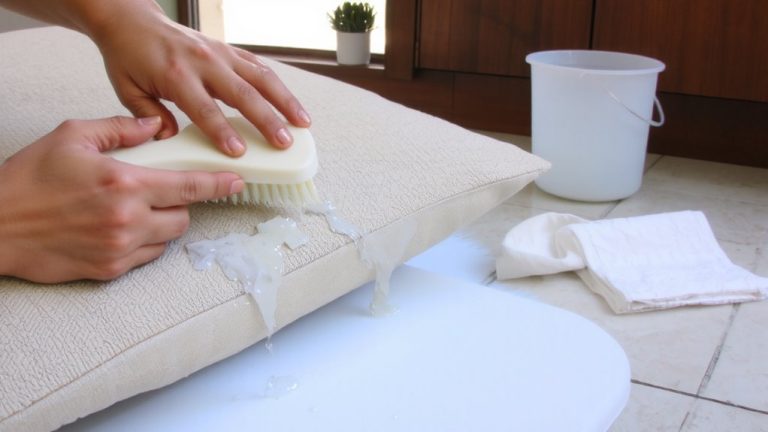
Even though regular lint removal keeps things running smoothly, residue from dryer sheets and fabric softeners can still seep into the lint screen’s mesh over time, creating a sticky layer that restricts airflow and undermines drying performance. You should do a deep clean every six months to tackle this residue buildup. Fill a sink with hot water and a few drops of liquid detergent, then use a nylon brush to scrub both sides of the lint screen thoroughly. This removes the oily film and trapped particles that everyday cleaning misses. After you scrub, rinse the screen well with hot water to wash away any leftover detergent or debris. Always dry completely with a clean towel before reinserting-moisture can hinder performance. A well-maintained lint screen guarantees proper airflow, reduces drying time, cuts energy use by up to 30%, and lowers fire risk.
Clean the Lint Trap Compartment Monthly
Typically, cleaning the lint trap compartment once a month keeps your dryer running efficiently and safely. You should clean the lint trap compartment every 30 days using a vacuum with a hose attachment to pull out hidden lint buildup deep inside. This helps prevent blocked airflow, which can reduce dryer efficiency by up to 30%, increasing drying time and energy use. After vacuuming, wipe the compartment walls with a damp microfiber cloth to remove residue that a vacuum might miss. Check for lint trapped behind internal screens-this hidden debris can restrict the vent system and create fire hazards. Monthly cleaning isn’t just about performance; it’s a critical step to cut the risk of fires, as 50% of dryer fires start due to lint buildup in the vent system. Stay consistent with monthly cleaning to avoid damage and keep air moving freely.
Prevent Clogs by Avoiding Dryer Sheet Buildup
A clean lint trap compartment keeps airflow steady, but that’s only half the battle-dryer sheets can leave a waxy film on the lint screen, clogging the fine mesh and cutting drying efficiency by up to 25% over time. That residue buildup from fabric softener reduces airflow and increases fire risk-2,900 home fires a year are linked to it. To fight this, clean your lint screen with hot water, liquid detergent, and a nylon brush every six months. This removes the gunk dryer sheets leave behind. For long-term prevention, swap in wool dryer balls-they boost airflow and skip chemical residue.
| Instead of… | Try… |
|---|---|
| Dryer sheets | Wool dryer balls |
| Fabric softener | No residue additives |
| Infrequent cleaning | Nylon brush + hot water |
| Ignoring airflow | Routine lint screen care |
Set a Routine to Maintain Dryer Efficiency
While it might seem like a small part of your laundry routine, keeping your dryer running at peak efficiency starts with simple, consistent steps you can do in minutes. Clean the lint screen before every load-it’s the easiest way to maintain airflow and cut down drying times. A clogged lint filter slows drying and strains your machine. Every six months, deep clean the screen with hot water, detergent, and a nylon brush to remove buildup. Check the lint screen compartment monthly with a vacuum and microfiber cloth to catch hidden lint. Replace damaged screens immediately to keep your dryer running safely. In your laundry room, make cleaning tasks routine: inspect the exterior vent weekly and clean your dryer vent at least once a year. This prevents blockages, reduces fire risk, and keeps drying efficient.
On a final note
You’ll keep your dryer running smoothly by cleaning the lint screen after every load, using warm water and a soft brush to clear residue every few months, and wiping the trap compartment monthly. Skip excess dryer sheets to avoid clogs, and check seals for lint buildup. This routine boosts airflow, cuts drying time by up to 30%, and reduces fire risk-testers saw fewer hot cycles and cooler vents. A clean dryer saves energy and lasts longer.