Does Slate Siding Have Asbestos
Your slate siding doesn’t contain asbestos, but cement panels made to look like slate from the 1920s to 1950s often did-especially Transite, with 10%–15% asbestos by weight for strength and weather resistance. If you’re cleaning or repairing it, avoid dry sanding or pressure washing; use mild detergent, a soft brush, and water to limit fiber release. Intact siding is low-risk, but damaged areas should be sealed with oil-based primer every 30–40 years-discover how to handle upgrades safely.
We are supported by our audience. When you purchase through links on our site, we may earn an affiliate commission, at no extra cost for you. Learn more. Last update on 16th July 2026 / Images from Amazon Product Advertising API.
Notable Insights
- Real slate siding is natural stone and does not contain asbestos.
- Asbestos siding is cement-based with asbestos fibers, often mistaken for slate.
- Homes with slate-like siding from the 1920s–1950s may have asbestos-containing cement boards.
- Asbestos siding was designed to mimic wood or slate shingles but is not genuine stone.
- Visual inspection alone can’t confirm asbestos; lab testing is required for certainty.
What Is Asbestos Siding: And Is It Real Slate?
Asbestos siding, often mistaken for real slate, isn’t natural stone-it’s a cement-based material mixed with asbestos fibers, commonly known as Transite, and used from the 1920s to the 1950s to mimic wood shingles on homes across North America. You’re likely seeing Cement Siding, not authentic Slate siding, especially if it’s on a modest older home. Real slate is heavy, costly, and brittle, while this asbestos version is lighter, more durable, and widely installed. Though it resembles slate siding, you can’t confirm asbestos by sight-testing is essential, as many mid-century cement sidings look identical to non-asbestos fiber cement products. When cleaning surfaces, use mild detergent and a soft brush; avoid pressure washing to prevent fiber release. Never sand or drill without proper safety gear. Test kits from hardware stores, like EMSL’s 5-minute swab, help identify material safely. Know your siding-you’ll protect your health and home.
Why Was Asbestos Used in Old Siding?
Though you might not realize it, the reason asbestos was baked into old siding like Transite comes down to raw performance-this stuff was tough, cheap, and built to last, which is exactly what builders wanted for mid-century homes. It resisted fire, rot, and termites, making sure homes stayed protected with little upkeep. You’d see these cement panels lasting decades, even in harsh weather. Below is why it became so popular:
| Benefit | Reason |
|---|---|
| Strength | Asbestos fibers reinforced cement |
| Durability | Withstood rain, heat, freeze |
| Fire Resistance | Non-combustible, safe near sparks |
Manufacturers used it from the 1920s to 1950s because it worked. Even though we now know the health risks, back then, it was the go-to for low-maintenance, long-term siding-just make sure you handle any old material with care today.
How to Identify Cement Asbestos Siding
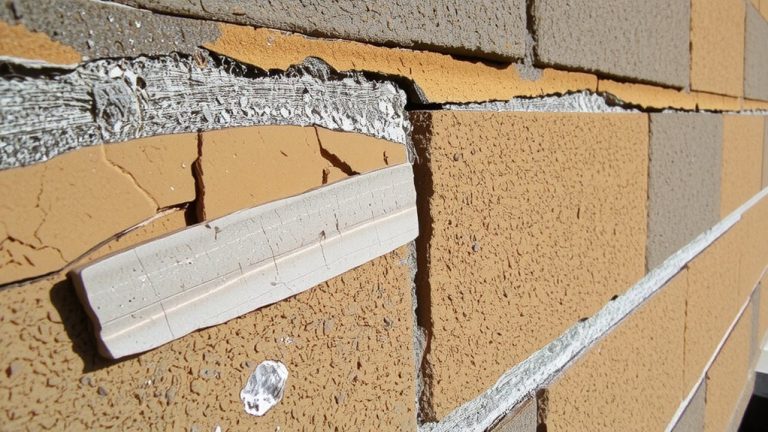
Look closely at those rigid, flat panels on older homes, and you’ll notice a siding that’s been quietly standing the test of time-cement asbestos board, often sold under the brand name Transite, was a go-to choice from the 1920s to the 1950s for middle-class homes, mimicking wood shingles with a low-maintenance edge, and measuring commonly in 12-inch by 24-inch or 16-inch by 32-inch panels, they’re durable, weather-resistant, and surprisingly lightweight compared to true slate, which tends to be far heavier and reserved for high-end builds, so if your home’s exterior has uniform grooves, a slightly gritty texture, and was built during the early to mid-20th century, it might be cement asbestos siding, though you won’t know for sure without lab testing-because no visual cue, no matter how familiar, can confirm asbestos content definitively. Focus on texture analysis to spot that distinct roughness, verify panel dimensions with a tape measure, and check for stamped labels or brand identification like “Transite” on hidden edges or attic access points-but never sand or cut the material.
Is Asbestos Siding Dangerous?
You’ve probably already checked the grooves, measured the panels, and maybe even found a faded “Transite” stamp hiding along an attic edge-now it’s time to address the real concern that comes with older cement siding: what it means for your safety. If your asbestos siding is intact, it’s not likely to cause harm-fibers are bound tightly in the cement matrix, minimizing fiber release. But once it’s cut, sanded, or damaged, it becomes friable, raising serious health risks. Inhaling loose fibers over time can lead to lung disease or cancer, making disease prevention key. The EPA says undisturbed siding is low-risk, but any handling must be wet to prevent airborne fibers. Avoid dry scraping or power washing, which increase exposure risk. Proper precautions keep fiber release low and protect your long-term health.
How to Maintain Asbestos Siding Safely
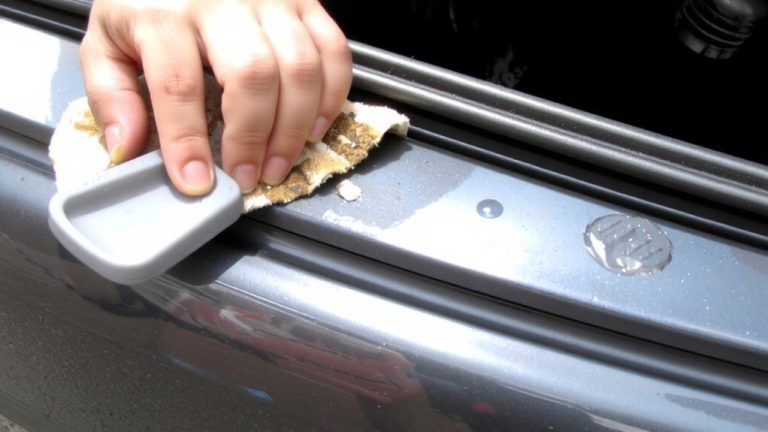
How do you keep old asbestos siding in good shape without putting your health at risk? Start with wet handling-always dampen broken or loose sections with water before any repair to prevent dangerous fibers from becoming airborne. Avoid dry brushing, sanding, or cutting, which turn stable material into a hazard. For minor damage, use epoxy repair with exterior-grade putty to seal cracks securely, ensuring long-term protection without disturbing the substrate. Every 30 to 40 years, apply paint sealing using an oil-based primer and topcoat, which locks fibers in place and boosts weather resistance. Intact asbestos cement siding, like vintage Transite, stays safe when undisturbed and properly maintained. You don’t need harsh cleaners or abrasive tools-simple soap, water, and gentle washing preserve its condition. No pest issues or stains mean low upkeep, making this durable siding a practical choice when managed responsibly.
Should You Encapsulate or Remove Asbestos Siding?
Keeping asbestos siding in good shape means more than routine cleaning and sealing-it also means deciding whether to leave it in place or take it out entirely. You’ll often find encapsulation is safer and more practical, especially since intact asbestos cement board, like Transite, won’t release fibers when undisturbed. Installing modern fiber cement or vinyl siding over it meets regulatory compliance and reduces exposure risk. Removal is legal for homeowners, but you must keep the material wet and may need licensed contractors for proper disposal in labeled, lined containers. That adds cost and complexity. A solid cost comparison usually favors encapsulation. It also supports long term durability by protecting the existing siding from weather and impact. Plus, new materials like James Hardie siding add resilience without asbestos risks.
When to Test for Asbestos (And Who to Call)
Right after peeling back old paint or spotting cracks along the base of your siding, especially on homes built between the 1920s and 1950s, it’s time to think seriously about asbestos testing-don’t wait until you’re mid-renovation and already kicking up dust. If you’re planning drilling, cutting, or removal, or if your cement-based siding shows damage, it’s critical to confirm whether asbestos is present. The only way to know for sure is through laboratory analysis of a bulk sample collected by certified inspectors who follow strict sampling protocols. Reach out to your local health department or a licensed asbestos professional-they’ll safely gather samples using EPA-compliant methods. Even if asbestos is found, you might not need removal; encapsulation or adding new siding over intact, non-friable material is often safer and more cost-effective in the long run.
On a final note
Clean floors and surfaces with a microfiber mop using warm water and 1/4 cup white vinegar per gallon to cut grime without fumes, tested effective on sealed wood and tile. For stains, spot-treat with oxygen bleach paste (3 parts powder to 1 part water), safe on grout and resilient flooring. Use ECOS All-Purpose Cleaner for daily wipe-downs-testers praise its non-toxic formula. Prevent pests by sealing cracks and keeping areas dry; deploy TERRO T300B bait stations near baseboards.