Best Way to Clean Smoke off Walls
Start by dry cleaning walls with a dry chemical sponge and HEPA vacuum to lift soot without spreading stains, wiping with overlapping strokes and flipping the sponge often. For heavy soot, use TSP (4–6 tbsp per gallon warm water); for light smoke, try vinegar (1 cup per gallon). Tackle oily residue with full-strength Simple Green. Neutralize odors using baking soda paste and vinegar rinses, then call IICRC pros if smoke’s reached deep into walls or ducts. You’ll find more solutions for stubborn buildup and hidden contamination just ahead.
We are supported by our audience. When you purchase through links on our site, we may earn an affiliate commission, at no extra cost for you. Learn more. Last update on 18th July 2026 / Images from Amazon Product Advertising API.
Notable Insights
- Start with dry cleaning using a dry chemical sponge to lift soot without setting stains.
- Pre-clean surfaces with a HEPA vacuum and soft brush to remove loose soot particles safely.
- Use Trisodium Phosphate (TSP) solution for heavy soot or vinegar for light smoke stains.
- Neutralize acidic residues and odors with baking soda paste and vinegar rinses.
- Hire IICRC-certified professionals for deep contamination, especially in HVAC or porous materials.
Start With Dry Cleaning to Remove Soot
While it might be tempting to grab a wet sponge right away, start with dry cleaning to remove soot since moisture can set stains and spread residue, making the job harder. Wear gloves to protect your hands, then use a dry chemical sponge-keep it dry, as dampness reduces its ability to lift soot. Gently wipe surfaces in overlapping strokes, flipping or trimming the sponge often to expose a clean section. This dry cleaning method effectively captures soot particles without smearing. Before sponging, go over walls with a HEPA vacuum fitted with a soft brush attachment, holding the nozzle 0.5 inches from the surface to safely pull in loose soot particles. Work top to bottom to avoid redepositing grime. Finish by wiping with a clean cloth to remove leftover dust, ensuring a clean base before moving on.
Choose the Right Cleaner for Smoke-Stained Walls
Your wall’s smoke damage level decides the cleaner you need, and picking the right one makes all the difference. For heavy soot stains or grimy walls, go with Trisodium Phosphate (TSP): mix 4–6 tablespoons per gallon of warm water. Light smoke stains respond well to a cleaning solution of 1 cup white vinegar per gallon of warm water. If you’re dealing with oily soot from synthetic materials, Simple Green All-Purpose Cleaner works great full-strength on stained walls, cutting through grime without residue. In phosphate-restricted areas, try TSP-PF.
| Cleaner | Use Case |
|---|---|
| Trisodium Phosphate (TSP) | Heavy soot stains |
| White Vinegar | Light smoke stains |
| Simple Green All-Purpose Cleaner | Oily soot, general cleaning |
| Ammonia/Vinegar/Detergent mix | Tough synthetic soot |
Eliminate Smoke Odors With Vinegar and Baking Soda
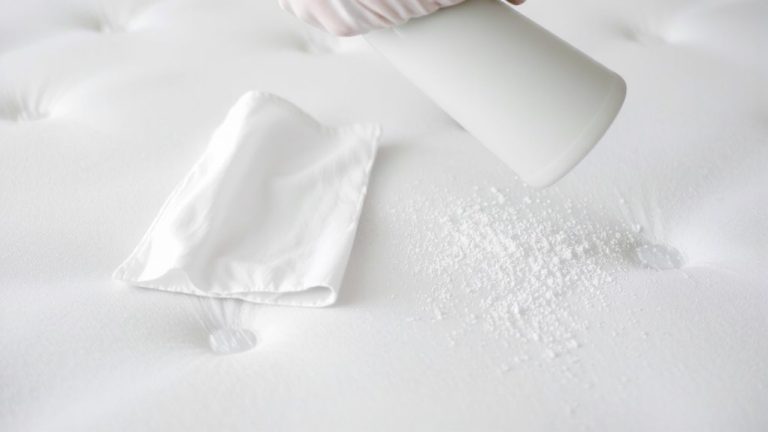
Since smoke leaves behind acidic residues that cling to walls and linger in the air, tackling odors starts with neutralizing these compounds using affordable, accessible solutions like vinegar and baking soda. For cleaning walls, mix baking soda into a paste and apply it to nicotine stains or affected areas; let it sit for 5–10 minutes to neutralize soot residue before wiping clean. This method boosts odor removal by targeting acidic film left by smoke. After washing walls with your chosen cleaner, rinse with water mixed with white vinegar to dissolve lingering particles. The acetic acid in white vinegar breaks down invisible residues and improves overall results when clean smoke-damaged surfaces. Place bowls of white vinegar around the room to cut airborne odors between cleaning sessions. While activated charcoal works longer term, baking soda delivers quick, reliable surface support during odor removal and cleaning walls.
Call a Pro for Severe Smoke Damage
If vinegar and baking soda haven’t cleared the smoky smell, it’s time to call in a pro-especially when the odor sticks around after multiple cleaning rounds. Smoke particles penetrate deep into painted walls and porous materials, creating stains on your walls and posing serious health risks by entering the bloodstream. DIY methods won’t reach contamination in HVAC systems or hidden affected areas. Certified professionals, like IICRC technicians, use thermal fogging and ozone generators to Help Remove invisible residue. About 33.9% of smoke damage cases show little flame but widespread soot, affecting the entire area of your home. Trisodium Phosphate (TSP) cleans heavy soot but can damage surfaces if misused-Make sure pros handle it. They target all affected areas, ensuring thorough cleaning and long-term air safety.
On a final note
Wipe walls with a dry microfiber cloth first to lift soot, then use a TSP solution (1/4 cup per gallon warm water) for tough stains. For odors, spray white vinegar on surfaces, let sit 15 minutes, then dry. Follow with baking soda air treatment. Test cleaners on small areas to avoid damage. For deep stains or lingering smells, pros with HEPA vacs and industrial sealers get better results. Always ventilate and wear gloves.