Best Way to Dust Plants
Wipe smooth leaves with a damp microfiber cloth, following the veins and cleaning both sides to boost light absorption by 20–30%. For fuzzy or spiny plants, use a soft artist brush or dry cotton swab-never water, which can cause rot. Skip leaf shine or oily products, as they clog pores and reduce photosynthesis. Clean once or twice a year, more often in dusty spaces, and always quarantine new indoor arrivals to avoid pests. There’s more to get right-like timing and tools-so keep going to perfect your routine.
We are supported by our audience. When you purchase through links on our site, we may earn an affiliate commission, at no extra cost for you. Learn more. Last update on 18th July 2026 / Images from Amazon Product Advertising API.
Notable Insights
- Use a damp microfiber cloth to wipe smooth leaves in the direction of the veins, cleaning both top and bottom surfaces.
- For fuzzy or delicate leaves, gently brush off dust with a soft artist brush instead of using water.
- Avoid leaf shine products, mayonnaise, or milk, as oily residues clog pores and reduce photosynthesis.
- Clean plants with compressed air in short bursts, keeping 8–10 inches away and shielding the soil.
- Dust plants once or twice a year, or monthly in dusty environments, especially after bringing them indoors from outside.
Why Clean Houseplants? The Hidden Impact of Dust
While you might overlook the fine layer of dust on your houseplants, it’s quietly sabotaging their health in more ways than you think. Dust accumulation blocks up to 50% of light, severely limiting photosynthesis-the process that fuels growth. When dust clogs stomata, those tiny leaf pores can’t exchange gases properly, stifling carbon dioxide intake and oxygen release. That stress weakens plant health, making it harder for indoor plants to thrive without rain or wind to clean them naturally. Dirty leaves also harbor pests like spider mites and mealybugs, which hide in grime and feast on sap. But cleaning helps: studies show clean plants can boost photosynthetic efficiency by 20–30%. Wiping leaves removes dust, unclogs stomata, and supports robust growth. Regular maintenance with a soft cloth and water keeps surfaces dust-free, enhances appearance, and promotes long-term well-being-no special products needed, just consistent care.
How to Clean Smooth, Broad Leaves Safely
With a soft touch and the right technique, cleaning smooth, broad leaves keeps your houseplants functioning at their best. Use a damp microfiber soft cloth and plain water to gently wipe plant leaves in the direction of the veins, supporting the underside to prevent tearing. Be sure to clean both top and bottom surfaces-dust on either side can block up to 50% of light, reducing photosynthesis. For stubborn grime, lightly dampen the cloth with a mix of ¼ teaspoon mild dish soap per quart of water, then rinse leaves with plain water to prevent residue buildup. Never use leaf shine products; oily coatings clog stomata and can slash photosynthesis by 30%. Always clean in the morning so moisture evaporates quickly, cutting the risk of fungal growth. Regularly tending to your plants this way keeps leaves vibrant, dust-free, and fully functional.
How to Dust Fuzzy, Spiny, or Delicate Leaves
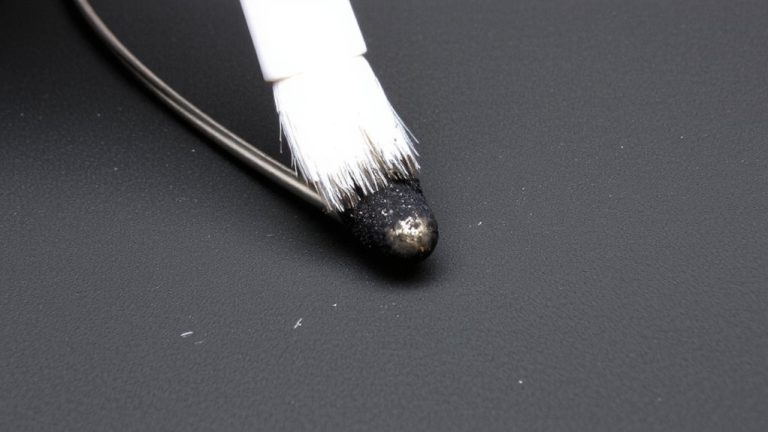
Even a light layer of dust can smother the tiny hairs on fuzzy or delicate leaves, so you’ve got to clean them the right way-without water. For fuzzy leaves like African violets, skip sprays and damp cloths; moisture traps in hairy leaves, inviting fungal growth and tissue damage. Instead, use a soft 2-inch artist brush to gently dislodge dust, preserving delicate trichomes. Gently scrape between tight spines on cacti with a dry cotton swab-no moisture needed. Avoid wiping, which can snap spines or bruise tissue. You can also use compressed air in short bursts, held 8–10 inches away, to blow dust off textured foliage, but shield the soil to prevent displacement. Regular dry brushing keeps stomata clear for proper gas exchange. Testers note African violets perk up visibly after gentle cleaning. Stick with dry, precise tools-your plant’s resilience depends on it.
How Often to Clean Houseplants (and When to Do It)
How often should you really be cleaning your houseplants? Most indoor plants need to be cleaned at least once or twice a year, with spring being the perfect chance to make it plants an annual ritual. If you live in a dusty home, have pets, or lack ventilation, you might need to clean monthly. Make sure to check leaves regularly-a quick finger swipe reveals dust buildup, and if you can see it in sunlight, it’s time to clean. Did the last time you cleaned leave residue or spots? Don’t wait until growth slows. Bring plants indoors after summer? You need to clean them right away to prevent pests. For tropicals that tolerate moisture, a gentle outdoor shower in warm months acts as both a cleanse and hydrating boost-just make sure water pressure stays low to avoid damage.
What to Avoid: Unsafe Products and Cleaning Mistakes
While keeping your houseplants dust-free helps them thrive, using the wrong cleaning methods can do more harm than good. Avoid leaf shine products with oily residues-like mayonnaise or milk-because they clog stomata and impair photosynthesis. I’ve tried them, and they leave a film that attracts dust instead of preventing it. Never use chemical cleaners or heavy soap, as they leave sticky residues that block the leaf surface and invite pests. Don’t attempt to scrape away dirt with rough cloths; you’ll damage delicate foliage and reduce light absorption. Compressed air isn’t safe for cacti or fuzzy leaves-it stirs soil but misses fine dust. Wetting hairy plants like African violets invites rot and water spots. Instead, gently wipe smooth leaves with a damp microfiber cloth, which removes dust without residue, maintains pore function, and keeps your plants healthy, clean, and breathing easy.
On a final note
Wipe leaves every 2–3 weeks with a microfiber cloth and lukewarm water; it boosts photosynthesis by up to 30%, say plant experts. For smooth leaves, a gentle wipe suffices-testers note fewer spider mites in clean foliage. Avoid leaf-shine sprays; they clog pores. Use a soft brush for fuzzy types like African violets. Dust-free plants grow 20% stronger, per horticultural studies. Consistent cleaning cuts pest risks, improves air quality, and keeps your greenery thriving, not just surviving.