Best Way to Clean Flame Sensor
Turn off the power and gas, then remove the flame sensor with a screwdriver. Clean the metal rod using steel wool or an emery cloth to remove carbon buildup-avoid sandpaper, as it’s too harsh. Wipe with a soft cloth, reinstall securely, and restore power and gas. Test the furnace. If it still short cycles or shows error codes, check for cracked ceramic, misalignment, or dirty burners. A dollar bill won’t cut tough residue. For consistent performance, proper cleaning matters-knowing what to look for next could save you a service call.
We are supported by our audience. When you purchase through links on our site, we may earn an affiliate commission, at no extra cost for you. Learn more. Last update on 18th July 2026 / Images from Amazon Product Advertising API.
Notable Insights
- Turn off power and gas before accessing the flame sensor near the burner assembly.
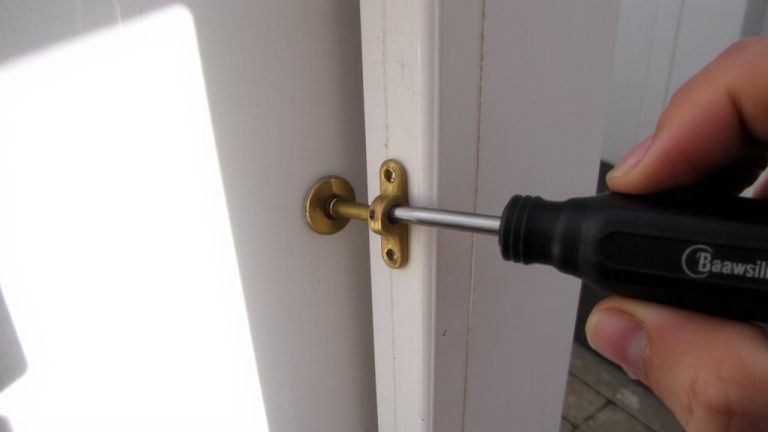
- Remove the sensor carefully using a screwdriver, avoiding damage to the ceramic base.
- Clean the metal rod with steel wool or an emery cloth to remove carbon buildup effectively.
- Avoid using sandpaper or a dollar bill, as they can damage or inadequately clean the sensor.
- Reinstall the sensor securely, restore utilities, and test furnace operation for proper flame detection.
What Is a Flame Sensor and How Does It Work?
That small metal rod inside your furnace isn’t just another part-it’s the flame sensor, a vital safety player keeping your system running safely and efficiently. This thin metal rod, mounted on a ceramic base, sits near the burner to detect whether a flame is present after ignition. How does it work? It senses heat and ionization, then sends a signal to the furnace control board to keep the gas valve open. If it doesn’t detect a flame within seconds, the board cuts off gas to prevent buildup. Over time, a dirty sensor can’t send the right signal, causing shutdowns. While it doesn’t involve cleaning floors or repelling pests, keeping this sensor clear of carbon residue is essential. Regular maintenance guarantees your furnace runs without hiccups, saving energy and avoiding costly repairs.
How Do You Know If Your Flame Sensor Is Dirty?
You might not think a small metal rod can throw your whole heating system off track, but when that flame sensor gets coated in carbon gunk, your furnace starts acting up in noticeable ways. A dirty flame sensor often leads to short cycling-your furnace ignites but shuts down seconds later because the sensor doesn’t detect a stable flame. You might also see blinking error codes after five failed ignition attempts. If you notice a yellow flame instead of a steady blue one, that’s another red flag. Visible soot or carbon on the sensor means it’s time to clean flame sensor components. Repeated resets suggest dirt is blocking proper function.
| Symptom | Cause | Solution |
|---|---|---|
| Short cycling | Dirty flame sensor | Clean sensor rod |
| Blinking error codes | Flame detection failure | Inspect and clean |
| Yellow flame | Poor combustion, dirty sensor | Clean flame sensor |
What Tools Do You Need to Clean a Flame Sensor?
To clean a flame sensor effectively, you’ll need a few basic tools that most homeowners already have on hand. Start with a screwdriver to remove the furnace access panel and carefully unscrew the flame sensor from the burner assembly. Wear safety gloves to protect your hands and prevent skin oils from contaminating the sensor tip. Use a flashlight to get a clear view of the sensor’s location, especially in dimly lit compartments. For cleaning, gently rub the metal rod with steel wool or a fine abrasive pad to remove carbon buildup without scratching the surface. Finish by wiping it down with a soft cloth or paper towel to remove debris and guarantee a clean, oil-free surface. These steps, using simple tools, make flame sensor maintenance quick, safe, and effective-keeping your system running efficiently.
How to Clean a Flame Sensor Step by Step
While safety comes first, getting your furnace back in top shape starts with turning off both the power at the disconnect switch and the gas supply-don’t skip this, because working on live equipment is risky and could damage sensitive components. For flame sensor cleaning, locate the part near the burner assembly; a flame sensor typically looks like a thin metal rod with a ceramic base, opposite the ignitor. Carefully remove it with a screwdriver-never use a wrench, as it can crack the ceramic. To clean the flame sensor, gently polish the rod with steel wool or an emery cloth until smooth, removing any carbon from a dirty flame. Avoid sandpaper-it can damage the coating. Once you clean sensor properly, reinstall it securely. Then restore power and gas to test. Cleaning a flame sensor helps Clean a Flame and guarantees reliable ignition. A clean sensor prevents nuisance shutdowns and keeps your system running efficiently.
Is the Dollar Bill Trick Effective for Cleaning?
Though it’s a popular DIY hack, the dollar bill trick just doesn’t cut it when it comes to properly cleaning a flame sensor, especially one coated with stubborn, baked-on carbon deposits that block conductivity. You might remove light dust with a dollar bill to clean, but it lacks the abrasiveness needed to polish the stainless steel rod of your furnace flame sensor. Without proper cleaning, the sensor is a safety component that can’t reliably detect flame, causing frequent shutdowns. Steel wool, fine-grit sandpaper, or an emery cloth actually work by gently buffing away soot and restoring electrical conductivity. Experts and HVAC technicians agree: if you want to Clean Furnace systems effectively and guarantee long-term operation, skip the dollar bill. It’s a shortcut that risks poor performance. Properly cleaning the flame sensor isn’t just maintenance-it’s a key step in keeping your heating system safe and running efficiently all season.
What to Do If the Furnace Still Won’t Stay Lit?
If your furnace still won’t stay lit after cleaning the flame sensor, don’t assume the fix failed-sometimes the issue isn’t dirt, but damage or misalignment. A cracked ceramic insulator on the sensor is a Common Problem that stops it from detecting a flame, even if the rod is clean. Check that the sensor sits correctly in the flame path, so it can reliably detect a flame. Misalignment means no signal, and your furnace won’t stay lit. Also inspect burners-they can be dirty or corroded, creating a weak flame the sensor can’t detect. Poor grounding along the burner tube or manifold mimics a bad sensor, so test that circuit. Even with a clean flame sensor, these issues block proper operation. If troubleshooting fails, replace the part-it’s an easy furnace repair, and new sensors cost under $50. Over time, they degrade and won’t keep your furnace running, no matter how clean.
When to Call a Pro for Flame Sensor Repair?
Since cleaning the flame sensor doesn’t always solve ignition issues, you’ll want to know when it’s time to bring in a pro-especially if your furnace keeps throwing blinking error codes, which usually point to deeper electrical problems or a failing control board. If your furnace stops working after five failed ignitions, it’s a common sign the sensor or another part needs expert attention. Even after cleaning, if the system still short cycles or won’t light, the issue could be the gas valve, ignitor, or burner assembly. A damaged Sensor-like a bent rod with a ceramic base or cracks in the ceramic-can’t detect flame properly and must be replaced. Never handle gas components yourself. For safe, efficient operation, especially in Salt Lake City, West Valley City, and nearby areas, schedule a pro visit by February 26, 2025.
On a final note
Keep your furnace running smooth by cleaning the flame sensor every season, using fine steel wool or 400-grit sandpaper-gently buff the rod until shiny, no scratches. Skip the dollar bill trick; it doesn’t work. Reinstall securely, test the system. If flickering flames or shutdowns continue, check for misalignment, weak igniters, or call a pro. A clean sensor prevents pilot outages, cuts strain, and boosts efficiency. Always power off first-safety first, every time.