Best Way to Remove Paint From Siding
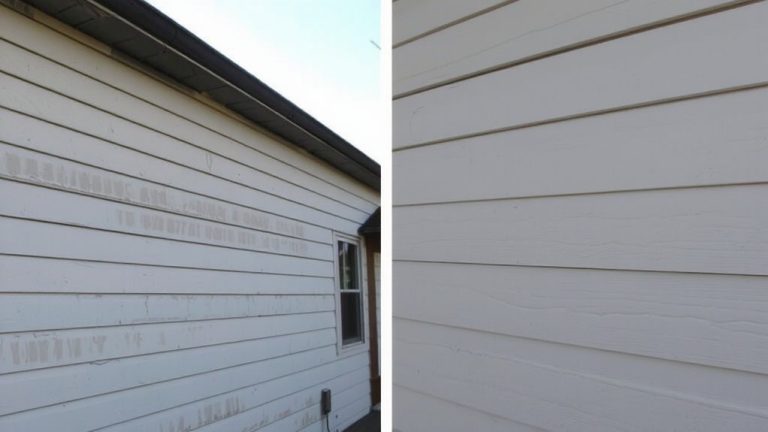
Assume lead paint if your home was built before 1978, and always follow EPA RRP rules to protect your health and avoid fines. Use an infrared Speedheater to safely soften multiple layers, then remove with a Metabo paint shaver and HEPA vacuum to capture dust. For edges, a carbide draw scraper gives precision. Never sandblast or pressure wash. Include taped plastic containment and finish with HEPA vacuuming and wet-wiping-passing a wipe test confirms cleanliness. This method preserves wood and keeps families safe-there’s more to get right when restoring old siding.
We are supported by our audience. When you purchase through links on our site, we may earn an affiliate commission, at no extra cost for you. Learn more. Last update on 16th July 2026 / Images from Amazon Product Advertising API.
Notable Insights
- Assume lead paint on homes built before 1978 and follow EPA RRP rules to ensure safety and compliance.
- Use infrared tools like Speedheater to soften paint without dust and meet EPA standards.
- Employ a Metabo paint shaver with vacuum attachment for fast, clean removal on large areas.
- Avoid sandblasting, open flames, and high-pressure washing to prevent lead contamination and damage.
- For siding over 100 years old, consider off-site stripping or replacement if wood integrity is compromised.
How to Remove Paint From Old Cedar Siding Safely
If you’re tackling old cedar siding, especially on a home built before 1978, you’ve got to assume lead paint is present-so safety comes first. You’ll need a reliable paint remover that lets you remove paint without creating hazardous dust. Infrared tools like the Speedheater soften multiple layers safely, complying with EPA RRP rules. If you prefer hand tools, a carbide draw scraper gives you precise control, especially when paired with containment and wet methods. For dust-sensitive jobs, the Metabo paint remover, with dual carbide blades and a vacuum attachment, strips paint down to bare wood in one pass-just set the depth and sink exposed nails first. Off-site stripping is another smart option: take boards down, remove paint in a controlled shop, then reinstall. This skips on-site contamination entirely. For damaged sections, flipping or replacing boards may beat stripping altogether-it’s often faster and gives a cleaner surface to paint.
Best Tools for Lead-Safe Paint Stripping on Wood
You’ve got old wood siding with layers of lead-based paint, and doing the job right means choosing tools that protect both you and the structure. An infrared paint remover like the Cobra Speedheater softens multiple layers without sanding or fumes, eliminating airborne dust and complying with safety rules. For targeted work, use a carbide draw scraper to lift peeling paint cleanly, especially after setting nails to avoid gouging. Pair it with a HEPA vacuum to capture debris instantly. The Metabo paint shaver zips through coatings with dual carbide blades and includes a vacuum port, removing paint in one pass. Here’s what works:
| Tool | Key Benefit |
|---|---|
| Infrared paint remover | No dust, safe for deep layers |
| Metabo paint shaver | Fast, precise, integrates dust control |
| Carbide draw scraper | Ideal for edges, peeling areas |
Manual methods with heat-treated scrapers stay reliable, especially on historic surfaces.
How to Follow EPA Rules When Removing Old Paint
When tackling old paint removal, especially on homes built before 1978, following EPA RRP rules isn’t optional-it’s the law, and cutting corners risks serious health hazards and costly fines. You must hire an EPA-certified renovator if removing more than 20 square feet of exterior paint. Avoid pressure washing that sprays mist, as it spreads lead dust-use low-pressure settings with containment instead. Never use sandblasting or open flames. A paint shaver works great for precision stripping, but all debris must be caught with taped plastic sheeting. Afterward, cleanup’s critical: HEPA vacuum every surface, then wet-wipe with a damp cloth. Certified pros pass a final wipe test to confirm safety. Proper containment, careful tool use, and thorough cleaning keep families safe and jobs compliant. Follow the rules, protect your home, and do the job right the first time-no shortcuts.
After Stripping: Paint or Stain Your Cedar Siding?
So, what now-paint or stain? You’ve stripped your cedar siding, and it’s time to protect it right. You can go with paint-especially oil-based primer and topcoats like Sherwin Williams Emerald Rain Refresh-for lasting durability and a match to Craftsman-style homes. It seals tight, resists moisture, and lasts longer than most solid stain options. Or, consider solid stain if you want better wood breathability and less cracking over time. Solid stain protects well while letting wood “exhale,” reducing the chance of trapped moisture and peeling. Either way, prep matters: smooth swirl marks with an orbital sander and clean thoroughly before any application. Match historical color palettes to honor your 100-year-old siding’s character. Both paint and solid stain work, but paint wins for longevity and finish control when you want a crisp, classic look.
Restore or Replace? When Old Siding Can’t Be Saved
How do you know when weathered siding has passed the point of no return? If your cedar siding has three layers of peeling latex paint and shows soft or cracked wood underneath, restoration may not hold. Siding over 100 years old often can’t accept new finishes, no matter how carefully you prep. At that stage, you’ve got two real choices: full replacement or off-site stripping. Off-site stripping lets professionals remove paint safely, especially with lead-based layers, and flip the boards for a fresh exterior surface-cutting costs versus buying all new. But if rot or pest infestation runs deep, replacement with modern, durable materials might save you time and maintenance down the line. While cleaning products and surface prep matter, they can’t fix compromised wood. Off-site stripping preserves historical character, but only if the wood’s integrity is sound. Otherwise, go new-your home’s longevity depends on it.
On a final note
After stripping paint, clean siding with a mild detergent and soft brush to avoid damage. Rinse thoroughly using a garden hose at 1,200 PSI or less. For stains, use oxygen bleach diluted at 1 cup per gallon of water-testers say it lifts discoloration without harming wood. Check for pests like carpenter ants during cleanup; seal holes with exterior-grade caulk. Always use EPA-compliant methods when handling lead paint-keep debris contained and wear an N95 mask.