Asbestos Siding vs Cement Fiber: How to Tell the Difference
You can’t tell asbestos siding from fiber cement just by looking, since both have wood grain textures, similar paint layers, and 6-foot panel sizes, especially in homes built before 1980. Older brands like Johns Manville or CertainTeed with chalky finishes and nail holes near the bottom likely contain asbestos. Always test with lab analysis via polarized light microscopy before power washing or renovating. Disturbing it releases harmful fibers. Hire a licensed pro for removal-it costs around $2,900 on average-or safely encapsulate for $2–$6 per sq. ft.; intact siding often doesn’t need removal. Choose vinyl or aluminum overlays as a compliant, durable cover. If damage is present, timely, professional abatement protects your family and avoids legal risks. Smart solutions start with knowing exactly what’s on your walls.
We are supported by our audience. When you purchase through links on our site, we may earn an affiliate commission, at no extra cost for you. Learn more. Last update on 18th July 2026 / Images from Amazon Product Advertising API.
Notable Insights
- Asbestos and fiber cement siding look nearly identical, making visual identification unreliable without testing.
- Homes built from the 1940s to late 1970s are more likely to have asbestos-containing siding.
- Only lab testing via polarized light microscopy can definitively confirm asbestos presence in siding.
- Disturbing suspected asbestos siding through sanding or drilling can release dangerous airborne fibers.
- Intact asbestos siding can be safely managed by encapsulation or covering, not removal.
Why You Can’t Tell Asbestos From Fiber Cement By Looking
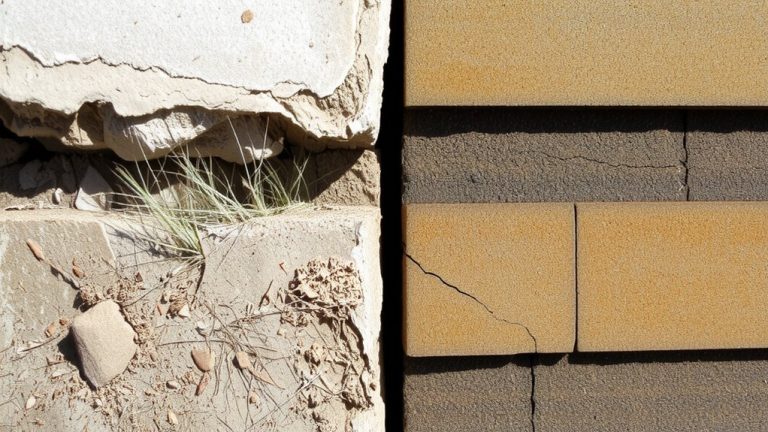
You can’t tell asbestos siding apart from fiber cement just by looking, and that’s a hard truth many homeowners learn the hard way. Both materials look similar-wood grain textures, chalky finishes, and aging patterns confuse even experienced eyes. Asbestos and fiber cement siding can measure up to 6 feet, overlap in nail placement, and degrade in comparable ways, making it nearly impossible to determine whether a panel contains asbestos just by inspection. Surface brittleness, paint layers, and weathering appear nearly identical across both types. You can’t rely on visuals to tell the difference-period. The only way to confirm is through laboratory testing using polarized light microscopy. Guessing risks unsafe handling, especially if asbestos siding removal is needed. Misidentification endangers your health and complicates renovation work. Always assume asbestos is present until proven otherwise, and never sand or power wash suspect siding. Test first, act later.
How Home Age and Brand Signal Asbestos Risk
Homes built between the 1940s and late 1970s, especially those from 1971 and earlier, are prime candidates for asbestos cement siding-material once favored for its durability but now a known health hazard. If you own older homes from this era, there’s a strong chance they contain asbestos-containing materials. Companies like Johns Manville, CertainTeed, GAF, and Celotex produced asbestos cement siding, and brand names like Fibrolite or Hardiplank often signal risk, as they were common before tighter regulations. Visual indicators-such as a chalky surface, heavy paint buildup, fading, and nail holes near board bottoms-can further suggest asbestos cement. While these clues aren’t proof, they warrant caution. You shouldn’t sand, drill, or aggressively clean suspected siding, since disturbing fibers is dangerous. Instead, gentle washing with a low-pressure hose and mild detergent keeps it clean and intact.
When and How to Test for Asbestos in Siding
Safety starts with certainty-especially when dealing with siding from homes built before 1980. If you own pre-1980 homes, assume your siding contains asbestos until proven otherwise. The only reliable way to confirm asbestos in your home is through asbestos testing using polarized light microscopy. Visual clues, like manufacturer stamps from Johns Manville or CertainTeed, aren’t enough-many older products lack “no asbestos” labels, but that doesn’t mean they contained asbestos. Testing for asbestos before any repair or renovation is critical to avoid asbestos exposure. Collect a small sample carefully, seal it, and send it for laboratory analysis. Results will show if you’re dealing with asbestos-containing siding. Knowing whether your siding contained asbestos helps determine if you need professional asbestos abatement. Don’t risk health for shortcuts-accurate testing protects you and your household long-term.
Safe Removal and Management of Asbestos Siding
While it’s tempting to tackle siding projects yourself, removing asbestos siding isn’t a DIY job-licensed professionals must handle it due to the health risks and legal requirements, with the average abatement costing around $2,900. Disturbing damaged or deteriorated asbestos siding can release asbestos fibers that become airborne, posing a serious health risk. You should never try to remove asbestos yourself; instead, hire a certified removal company for safe removal. If the siding is intact, consider encapsulation ($2–$6 per sq. ft.) or covering the asbestos siding with new vinyl or aluminum, a code-compliant way to avoid fiber disturbance. Asbestos removal is only necessary when the material is compromised. Always prioritize sealing and containment over removal to minimize risk and cost.
On a final note
Keep floors and surfaces clean with a pH-neutral cleaner like Bissell Symphony for sealed vinyl or tile, using 1 microfiber pad per 150 sq ft, testers report streak-free results in half the time, for tough stains, mix 3 parts water to 1 part vinegar, let sit 5 minutes before scrubbing, regularly check baseboards and under appliances for pests, a 1/4-inch gap needs steel wool and caulk, deploy Victor glue traps every 10 feet along walls-testers caught 90% of invaders within 48 hours.