Asbestos vs Fibre Cement: 5 Visual Clues Before Lab Testing
You can’t reliably tell asbestos cement from modern fibre cement just by looking, especially in homes built before 2000 where products like Super Six or Fibrolite were common. Asbestos sheets often appear grey, brittle, and dimpled, snapping cleanly when broken, while fibre cement breaks irregularly and uses cellulose, not asbestos. Nail holes at the bottom of siding and pre-1990s brand stamps raise red flags. Positive identification demands lab testing via PLM or SEM analysis by an IANZ-accredited facility-never take chances, because disturbing asbestos improperly risks fibre release, harming air quality and health. Knowing the exact material means safer cleaning, containment, and removal strategies using HEPA-rated vacuums, wet wipe methods, and PPE; guesswork could mean cross-contamination, ineffective cleanup, or exposure. Confidence in your next steps starts with a lab-certified result.
We are supported by our audience. When you purchase through links on our site, we may earn an affiliate commission, at no extra cost for you. Learn more. Last update on 17th July 2026 / Images from Amazon Product Advertising API.
Notable Insights
- Asbestos cement typically contains 10–15% chrysotile fibres, while modern fibre cement uses cellulose fibres instead.
- Materials made after 1999 in New Zealand or the UK are likely asbestos-free fibre cement.
- Asbestos cement often has a grey, chalky, dimpled surface and breaks cleanly; fibre cement breaks irregularly.
- Brand names like Fibrolite or Super Six, especially on pre-1990s installations, may indicate asbestos content.
- Only laboratory testing by an IANZ-accredited facility can definitively confirm asbestos presence.
What Is Asbestos Cement: And Where Was It Used?
You’re likely to come across asbestos cement if you’re working on older homes, especially those built between the 1940s and late 1980s, and it’s important to know exactly what it is and where it hides. Asbestos cement, a composite of 10–15% chrysotile asbestos fibres and cement, was a common construction material prized for its durability. You’ll often find it in roofing-like super six sheets-wall cladding, fencing, and fire-resistant panels. Brands like Fibrolite, Durock, Panel Sheet, and CertainTeed manufactured these cement products widely used across Australia, New Zealand, the UK, and the US. Asbestos cement appears in about 30% of homes built before 2000 in New Zealand alone. While intact panels are low-risk, disturbing them through cutting or drilling releases toxic asbestos fibres, which can cause serious health issues like asbestosis or mesothelioma. Always assume materials contain asbestos unless tested, and avoid abrasive cleaning or sanding that could release fibres into the air.
What Is Modern Fibre Cement: And How Is It Different?
Modern fibre cement replaced asbestos cement after the 1999 ban in countries like New Zealand and the UK, offering a safer, more flexible building material without the health risks. You’ll find modern fibre cement in today’s residential and commercial construction, made with cellulose fibres, cement, sand, and water-completely asbestos-free. Unlike brittle pre-2000 materials, these cement sheets have greater flexibility and break irregularly, reducing the release of hazardous fibres. Most products now carry clear back stamps and manufacturing codes that confirm their safety and compliance. These markings make it easy to distinguish them from older installations. Used for cladding, flooring, ceilings, and fire-rated walls, modern fibre cement resists moisture, fire, and wear. Its durability and safer composition make it a trusted choice when replacing or renovating outdated materials.
Can You Spot Asbestos by Appearance Alone?
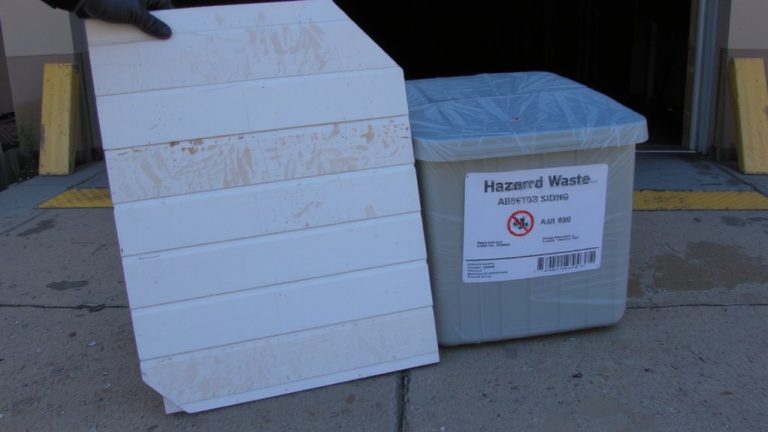
Can you really tell if a material contains asbestos just by looking at it? No, visual identification isn’t enough. While older building materials like Fibrolite or Super Six often contained asbestos, their appearance alone can’t confirm it. Asbestos cement may look grey, chalky, and dimpled, with multiple paint layers and brittleness, but these signs overlap with modern fibre cement. Nail holes at the bottom of siding boards might hint at asbestos, since fibre cement usually has top-fastened panels. Still, you can’t rely on texture or age-some pre-2000 materials look identical. The only sure way is asbestos testing through laboratory testing. Skipping this step risks exposure during cleaning or renovation. So don’t guess based on appearance alone. Always assume asbestos is present until proven otherwise, especially in suspect boards or when disturbing surfaces, and get professional analysis before any work begins.
What Does Asbestos Look Like?
What does asbestos actually look like? Asbestos cement typically appears grey or off-white, with a textured, dimpled surface-like a golf ball-especially in older corrugated sheeting. You’ll often find it brittle, weathered, and chalky, with visible cracks or flaking from aging. Nail holes at the bottom edge and brand stamps like Fibrolite or Super Six, especially pre-1990s, suggest asbestos content. These materials were commonly used in buildings from the 1940s to 1980s. Though asbestos cement and modern Fibre Cement Sheeting look similar, key differences between asbestos materials matter: asbestos cement snaps cleanly due to reinforcing fibres, while fibre cement breaks irregularly. Don’t rely solely on appearance-many dangerous materials look similar. Always assume a material contains asbestos if it’s old, damaged, or unlabelled. Confirm with proper testing before any cleaning, renovation, or handling to stay safe.
How Asbestos Testing Works
While you might be tempted to guess whether a material contains asbestos based on how it looks or feels, the truth is only a proper lab test can tell you for sure-and that’s the only way to stay safe during cleaning, renovation, or removal. Asbestos testing starts with a trained professional collecting a small sample, minimising fibre release. The sample goes to an IANZ-accredited laboratory for analysis. There, technicians use polarized light microscopy (PLM) or scanning electron microscopy (SEM) to detect asbestos-containing materials (ACM), since visual checks can’t confirm results. A water absorption test may help differentiate fibre cement from asbestos cement, but it’s not conclusive. Laboratory testing is essential and legally required before any work on buildings built before 2000 to meet health and safety regulations. Never risk DIY sampling-trust trained professionals to protect your home and health.
What to Do If You Suspect Asbestos in Your Home
If you’re dealing with older flooring, patching wall damage, or cleaning dusty surfaces in a home built before 2000, it’s best to assume any brittle, fibrous material could be asbestos-containing-especially if it’s white-grey or blue-grey cement sheeting around pipes, bathrooms, or eaves. Many buildings constructed before 2000 contain asbestos, and disturbing these materials risks asbestos exposure. If you suspect asbestos, don’t sand, drill, or sweep-it could release fibres linked to serious health risks like mesothelioma. Always assume suspect materials are asbestos-containing materials (ACM) until proven otherwise. For health and safety, contact a licensed professional to perform testing; only lab analysis confirms asbestos in your home. Never hire an unlicensed removal company. For 10m² or more, a certified supervisor and third-party clearance are required. Choose a Class A or B licensed removal company to stay compliant and protect your household.
On a final note
You can’t tell asbestos from fibre cement by sight, so always test when in doubt-especially in homes built before the 1990s. For safe cleaning, use a HEPA-filter vacuum and damp wipes to avoid airborne dust. Stick to pH-neutral cleaners like Simple Green or dish soap (1–2 tbsp per gallon of water). Never sand or dry-scrape suspect material. If damaged, call a licensed pro. Test kits from NIOSH-approved labs cost $20–$50 and deliver results in 2–3 days. Safety first: when it comes to asbestos, guessing isn’t worth the risk.