How to Distinguish Between Ant Swarms and Termite Swarms by Wing Structure
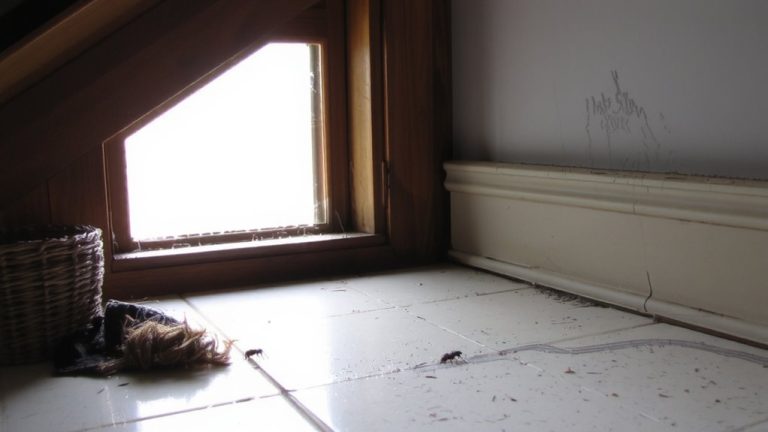
Check the wings on your floor after a swarm-termite wings are equal in size, 6–10 mm long, translucent, and shed in piles near windowsills, while flying ants have front wings 30% longer than the rear ones, often with a brown tint, and rarely shed them. If you spot neat piles of uniform, glass-like wings, it’s likely termites. Use a lint roller or vacuum to collect samples, then inspect for hidden infestations. Spotting these signs early boosts your chances of catching damage before it spreads-knowing what comes next could save your home.
We are supported by our audience. When you purchase through links on our site, we may earn an affiliate commission, at no extra cost for you. Learn more. Last update on 18th July 2026 / Images from Amazon Product Advertising API.
Notable Insights
- Termite wings are all equal in size, while ant front wings are up to 30% longer than rear wings.
- Termite wings are translucent and glass-like, whereas ant front wings often have a brownish tint.
- Termite wings detach easily at a weak seam, leaving neat piles of equal-sized wings.
- Flying ants rarely shed their wings, so intact unequal wings are commonly seen.
- Under light, termite wings appear uniform; ant wings show clear size and shape differences.
Check Wing Length: Termites Have Equal-Sized Wings
Take a close look at those wings-this one detail can tell you whether you’re dealing with termites or flying ants. Termite swarmers have four wings, all equal-sized, each about twice the length of their body-roughly 1/4 to 1/2 inch long. If you see flying termites, their translucent wings will appear uniform, almost glass-like, clearly different from ants’ mismatched sets. These termite wings detach easily at a built-in seam right after swarming, so you’ll often find piles of discarded, equal-sized wings near windowsills or floors. That’s a red flag. Swarming termites, also called winged termites, leave behind these remnants as they start seeking wood to infest. Spotting these translucent wings means it’s time to act fast-check for moisture, seal entry points, then clean surfaces with vinegar or borax solutions. Testers report wiping up wings with sticky tape or a vacuum helps confirm the infestation before calling a pro.
Look for Unequal Wings? It’s a Flying Ant
Why do some swarming insects seem off at first glance? Because flying ants have unequal wings-unequal in wing size and shape. When you spot swarming termites or flying ants, check the wings: flying ants, also called winged ants, have front wings that are up to 30% longer than their rear wings, giving ant wings a lopsided look. Termites have straight, equal-length wings, but flying ants don’t. This Difference Between Flying Ants and termites is clear under light or with a magnifying lens. Unlike termites, flying ants don’t shed wings easily, so intact unequal wings on a windowsill mean it’s likely ant wings you’re seeing. The front wings are often brown-tinted, not clear. Spotting this helps prevent misidentification and unnecessary cleaning. Use a microfiber cloth and all-purpose cleaner to wipe surfaces, ensuring no strain or residue hides clues.
Shed Wings on Your Floor? That’s a Termite Sign
Ever notice piles of tiny, equal-length wings near windows or on the floor and wonder what they’re dealing with? Those piles of wings, especially on windowsills, are a telltale sign of termite swarms. Unlike flying ants and termites with attached wings, termites shed wings quickly after mating, leaving behind neat, uniform piles. These shed wings are typically 6–10 mm long, translucent, and break off easily at a weak point. If you spot them during swarming season and see no ant trails or bodies, it points to hidden termite activity. Such wing accumulations suggest an established termite infestation within wood or walls. Don’t ignore them-prompt termite control is essential. Clean the area thoroughly with a vacuum and disinfectant wipes, but know that surface cleaning won’t fix the source. Call a pest professional right away to assess and treat the problem before structural damage occurs.
Ants vs Termites: Pinched Waist or Straight Body?
Look at the body shape first-nature’s built-in ID tag. When you spot swarming insects, check the Body Shape: flying ants have a pinched waist, giving them that narrow, hourglass look, while termites have a straight body, broad and uniform from head to tail. This single trait sets winged ants and termites apart, even when they’re the same size. Ants, especially carpenter ants over 6 mm, always show that distinct pinched waist and elbowed antennae-common signs near ant colonies. Termites lose their wings after swarming and leave behind a straight body, 6–10 mm long, with no segmentation. Testers using a 10x magnifier on hardwood floors found it easy to confirm these differences during cleanup. Wipe down surfaces with a disinfectant cleaner post-swarms to remove residue and prevent infestation. Spotting the right shape means faster, smarter pest response-no guesswork needed.
Spring Swarms? It’s Probably Termites
You just spotted a swarm near your windowsill in early spring-those tiny insects with long, equal-length wings that vanish almost as quickly as they appear, leaving behind sheer piles of discarded wings. Those are likely subterranean termites, not flying ants. Termite swarms happen in the Mid-Atlantic from March to May, when soil hits 60–70°F. The winged pests have four translucent wings, all the same size, roughly twice their body length, and they snap off easily at a weak point. Flying ants? Their wings differ in size and rarely shed in heaps. Finding these insect remains indoors often means termite colonies are already active, putting your home at risk for structural damage. Unlike ant swarms in late spring or summer, early termite activity is a red flag. Don’t wait-call a professional termite inspector immediately to assess the pest threat and prevent costly repairs.
Found Swarmers Indoors? Call a Pro Immediately
Why do those delicate, translucent wings keep turning up near your windows or light fixtures? If you’re seeing indoor swarms or piles of discarded wings, you’re likely dealing with termite swarmers, not flying ants. Termite swarmers shed their equal-length, translucent wings-nearly twice their body size-soon after emerging, leaving behind distinct piles of wings. Flying ants keep their uneven, brown-tinted wings, so persistent wing piles signal a termite infestation. These winged insects can’t survive long indoors, meaning they came from within your home-possibly from structural wood. Don’t wait: over 68% of damage happens before detection. Call pest control experts immediately for a professional inspection. Early action stops costly repairs. Licensed technicians use precision tools and proven treatments to eliminate colonies. Skip DIY-this isn’t just clutter, it’s a structural threat. Trust the pros.
On a final note
Spot shed wings on your floor? That’s a termite red flag. Wipe them up fast with a damp microfiber cloth, then vacuum cracks using a HEPA filter. Spray surfaces with a 50/50 vinegar-water mix, effective for dissolving residue and deterring pests. If you see swarms indoors-especially in spring-call a licensed pro now. Ants have pinched waists and unequal wings; termites don’t. Clean early, act fast.