How Licensed Exterminators Diagnose Pest Problems Using Evidence Patterns
You spot frass near baseboards, greasy rub marks on walls, and droppings by cabinets-licensed exterminators use these clues just like evidence. Mouse droppings (3–6 mm, pointed) and gnawed holes point to rodents, while termite frass and mud tubes signal hidden damage. Scorpions leave no nests but glow under 390 nm UV light. Experts combine infrared scans, moisture meters, and visual checks to confirm activity, then target treatments using IPM-mechanical fixes, bait stations, and precision-applied insecticides. Spot the signs, trace the pathways, and follow the full story.
We are supported by our audience. When you purchase through links on our site, we may earn an affiliate commission, at no extra cost for you. Learn more. Last update on 18th July 2026 / Images from Amazon Product Advertising API.
Notable Insights
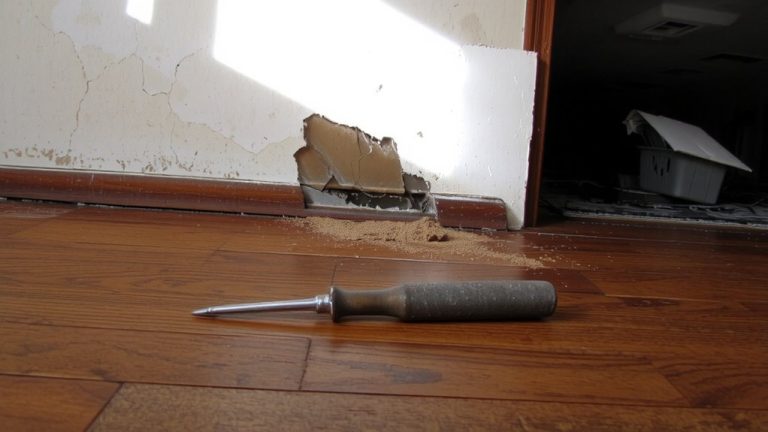
- Examiners identify frass near wood or baseboards to confirm drywood termite infestations.
- They inspect mud tubes along foundations to detect subterranean termite activity and entry paths.
- Greasy rub marks and small gnaw marks help pinpoint active rodent runways and entry points.
- Fecal pellet size, shape, and location distinguish between cockroach, mouse, and rat infestations.
- Thermal imaging and moisture meters reveal hidden nests, damaged wood, or moisture-prone pest hotspots.
What Exterminators Look for in Pest Evidence
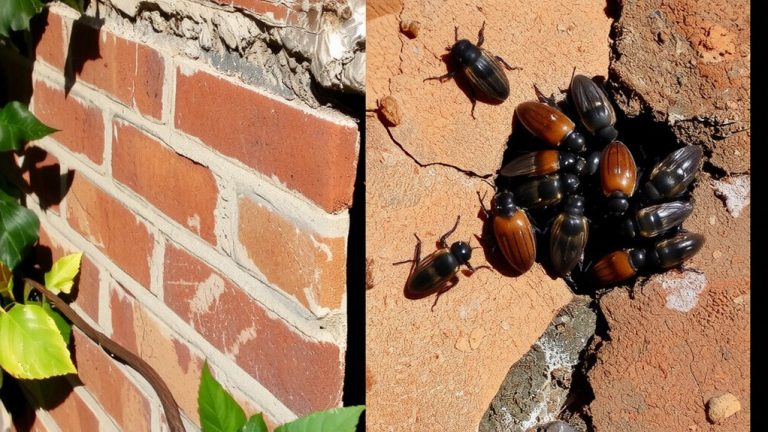
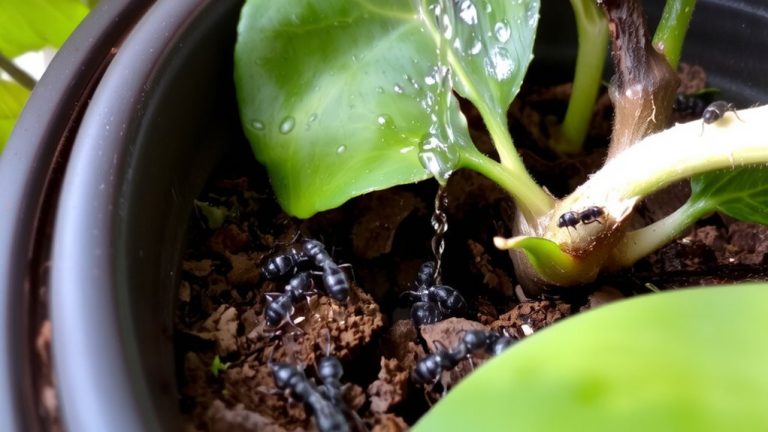
While you might notice a few bugs now and then, it’s the hidden signs that really tell exterminators what’s going on behind your walls or under your floors. They look for pest evidence like frass near wood, mud tubes along foundations, and rodent runways with greasy rub marks. Fecal pellets in cabinets, ant trails along baseboards, and shed insect skins in corners all help with pest identification. You’ll often find egg casings in cracks-clear proof of roaches or beetles. Exterminators look for these clues because they point directly to infestation type, size, and location. Spotting frass or mud tubes means termites are likely present, especially in dry climates. Ant trails lead straight to nests, while rodent runways show habitual paths. Identifying shed skins and pellets helps choose the right bait and cleaning approach. A thorough inspection means targeted treatment, not guesswork. Clean floors with disinfectant wipes, vacuum crevices, and use enzyme cleaners to break down stains and odors left by pests, reducing reinfestation risk.
Why Droppings, Gnaw Marks, and Nests Point to Specific Pests
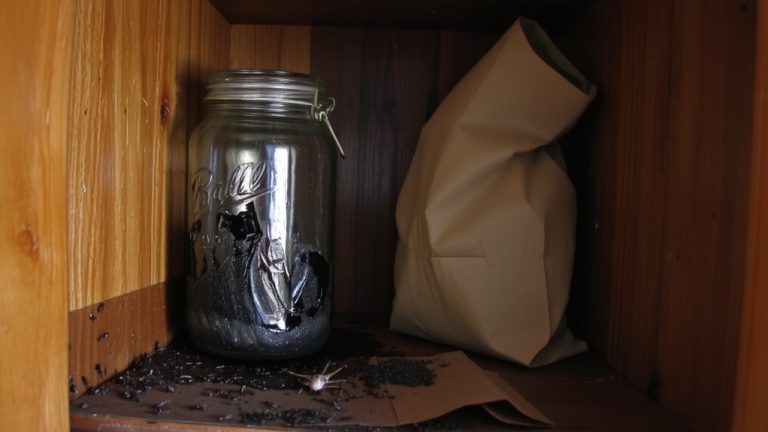
You already know that frass, ant trails, and greasy rub marks help identify pests, but now it’s time to look closer at what droppings, gnaw marks, and nests reveal about exactly who’s invading your space. Mouse droppings (3–6 mm, pointed) versus rat droppings (12–18 mm, blunt) help pinpoint pest species, guiding rodent control. Fresh, light-colored gnaw marks mean active infestations using wood or wires-dark, dull edges suggest older pest activity. Termite inspection isn’t complete without checking for mud tube nests, ¼ inch wide, along foundations. Carpenter ant paper fiber nests in eaves or wall voids point to moist wood damage, not soil feeding. Cockroach droppings look like coffee grounds, often near kitchens. Recognizing these signs helps target solutions fast. Clean surfaces with enzyme-based cleaners to remove residue and disrupt pest behavior. Proper identification means fewer callbacks, more effective infestations using targeted solutions.
How Pest Experts Tell Mice, Termites, and Scorpions Apart
Pest clues aren’t one-size-fits-all, and knowing the differences between mice, termites, and scorpions can save you time, money, and stress. You’ll spot mouse signs through greasy rub marks, 5–8 mm droppings, and gnawed holes near wiring, often with shredded paper nests. Termites, though, leave mud tubes, 1/8-inch discarded wings, and honeycombed wood-clues Exterminators Use with moisture meters and thermal imaging to confirm damp, damaged areas. Scorpions, unlike stinging insects, don’t build nests; they hide in crevices and glow blue-green under 390 nm UV light during nighttime sweeps. A Professional Exterminator from Anteater Exterminating Inc identifies these pest problems accurately, guiding control strategies. Whether it’s commercial pest control or home infestation, preventive measures like sealing entry points, reducing moisture, and cleaning floors with disinfectants help. Exterminating pests effectively means using the right tools, from live traps to infrared scanners-keeping your space pest-free.
How Heat, Moisture, and Damage Reveal Hidden Infestations
Infrared scanners and moisture meters aren’t just tools-they’re your first line of defense in uncovering what’s really going on behind walls. You’ll spot hidden infestations fast when you use infrared scanners to catch heat patterns from drywood termites’ metabolic activity. Moisture meters reveal damp zones, often pointing to subterranean termites or ant nests thriving in wet wood. Tap suspect areas-soft hollow sounds mean structural damage from termite infestations. Look for frass near baseboards; those gritty pellets confirm drywood termites are inside. Thermal imaging detects rodent nests in attics by isolating warm spots unseen to the eye. Together, these tools give you proof, not guesses. When you find evidence, clean affected surfaces with enzymatic cleaners to break down organic residues. Use microfiber cloths and HEPA vacuums to remove frass and debris completely, reducing reinfestation risks and keeping inspections accurate.
Where Pests Enter: Tracking Entry Points and Pathways
While many homeowners focus on spotting pests themselves, the real key to effective control lies in tracing how they get inside in the first place. Professional Exterminators find entry points by inspecting pest pathways like gnaw marks, grease trails, and damaged weather stripping near doors, windows, and utility penetrations. Even foundation cracks as small as 1/16 inch let ants and spiders inside, especially in Arizona’s shifting clay soils. Using infrared scanners and moisture meters, technicians detect hidden access behind walls or under slabs where temperature changes reveal rodent or termite activity. Pest pathways often follow utility lines, irrigation lines, or tree branches overhanging roofs-common bridges into attics. With behavioral pattern tracking, experts map ant trails and rodent runways to pinpoint ingress. For lasting Pest Control Help, integrated pest management (IPM) addresses these routes at the source. Exterminating provide the best results when entry points are sealed, not just treated.
How Clues Turn Into a Custom Pest Control Plan
Once you’ve spotted droppings near the baseboards, noticed gnaw marks on window frames, or found frass piling beneath a floor joist, you’re already halfway to solving the problem-licensed exterminators take those clues and turn them into action. They use evidence patterns and behavior data in their analysis to identify the root cause, guaranteeing accurate pest identification. With tools like moisture meters and infrared scanners, professional pest experts map infestations and design custom treatment plans. These plans follow an IPM Program, blending mechanical, biological, and targeted chemical methods only when needed.
| Clue | Pest Likely | Action Threshold |
|---|---|---|
| Frass piles | Termites | Treat if >2 sites |
| Gnaw marks | Rodents | Immediate seal + bait |
| Droppings | Cockroaches | Clean, monitor, treat |
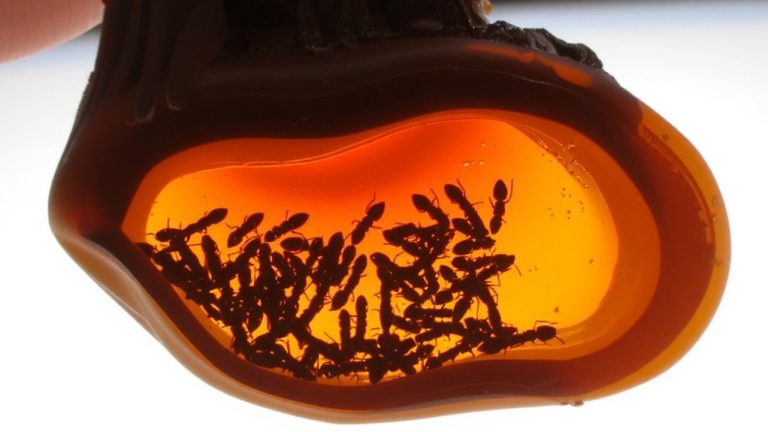
| Live specimens | Ants | Locate nest, apply IPM |
Integrated pest management guarantees long-term results by addressing conditions pests love-like food residue-so cleaning floors with disinfectants (e.g., 70% isopropyl alcohol) and removing stains stops reinfestation.
On a final note
You’ve found the signs, now take action. Clean floors and surfaces with disinfectant sprays like Lysol or a 3:1 water-vinegar mix, wiping droppings, gnaw dust, and stains. Use paper towels, then toss them sealed in plastic. For tough grease or residue, try Clorox wipes-they cut grime fast. Vacuum entry zones weekly with a HEPA filter. Dry damp areas completely-pests hate dry. Seal cracks over 1/4 inch with silicone caulk. These steps stop reinfestation.