The Impact of Expired Food on Attracting Scavenger Pests in Kitchen Cupboards
Expired food in your pantry draws scavenger pests like Indian meal moths and saw-toothed grain beetles, which smell stale flour or cereal from several feet away and chew through cardboard to feast. Webbing in cereal or tiny holes in packaging means they’re already inside. Clean shelves with vinegar or 70% isopropyl alcohol, then wipe with hot, soapy water at 120°F, and vacuum cracks to remove eggs. Store new grains in airtight glass or thick plastic containers-freezing cornmeal for four days kills hidden larvae. You’ll find out how to fully reclaim your pantry, step by step.
We are supported by our audience. When you purchase through links on our site, we may earn an affiliate commission, at no extra cost for you. Learn more. Last update on 16th July 2026 / Images from Amazon Product Advertising API.
Notable Insights
- Expired food in cupboards attracts scavenger pests like Indian meal moths and saw-toothed grain beetles.
- Pantry pests detect stale items from several feet away using keen odor-sensing abilities.
- Cracked or porous packaging allows pests easy access to expired food sources.
- Spilled crumbs and open containers create continuous feeding opportunities for invading insects.
- Webbing, holes in packaging, and adult moths are key signs of infestation from expired goods.
How Expired Food Attracts Pantry Pests
While expired food might seem harmless at first glance, it’s actually a prime beacon for pantry pests like Indian meal moths and saw-toothed grain beetles, which can sniff out stale flour, cereal, or spices from several feet away. Those bugs treat expired food like a 24/7 all-you-can-eat buffet, especially when food packages are cracked or made of porous cardboard. Once pantry pests detect your expired food, they chew through seams, turning it into infested food within weeks. A single female Indian meal moth can lay up to 200 eggs near a reliable food source, and larvae leave sticky webbing and frass behind. Spilled food crumbs in corners or under shelves? That’s just bonus dining. To stop the cycle, toss expired goods, transfer open items to sealed, airtight containers, and wipe shelves with vinegar or a 70% isopropyl alcohol solution. Clean surfaces weekly-no greasy residue or grit-to remove odor trails and stop strain buildup before it becomes a full infestation.
Meet the Most Common Pantry Pests
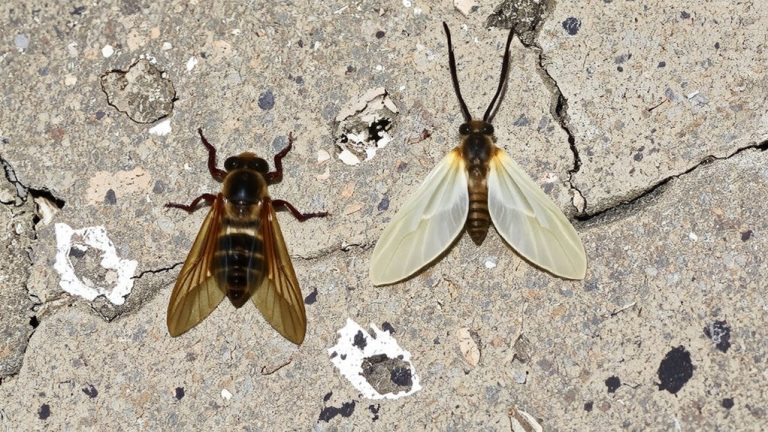
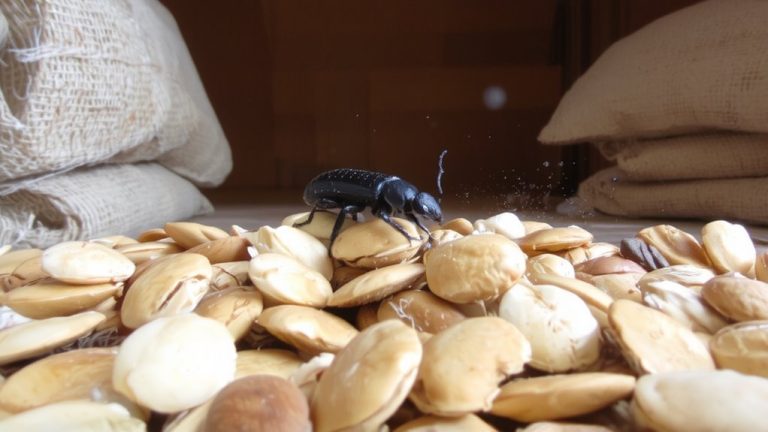
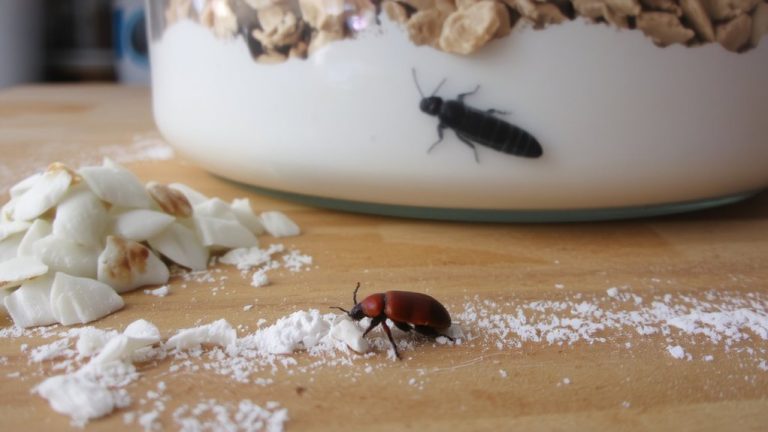
When your pantry starts to harbor tiny intruders, it’s usually not one bug you’ve got to worry about - it’s the hundreds hiding out of sight, and the Indian meal moth is one of the most common culprits, measuring between 1/3 and 2/5 inch long with distinct coppery brown wings and a pale, whitish-gray upper wing segment that makes them easy to spot under LED shelf lighting. You might also spot the red flour beetle, a shiny reddish-brown pest about 1/7 inch long, or the saw-toothed grain beetle, only 1⁄10 inch long with jagged edges on its thorax. Don’t overlook the cigarette beetle and drugstore beetle-both 1/8-inch, oval-shaped, light brown pests that chew through cardboard and plastic. The Angoumois grain moth bores into whole grains, leaving hollow kernels behind. These pests thrive in expired foods and crumbs, so cleaning floor and surfaces with vinegar or disinfectant regularly helps stop infestations before they spread.
Signs of a Pantry Pest Infestation
You’ve already met the usual suspects lurking in pantries, but spotting them early means catching an infestation before it spreads. Check your pantry regularly-look for webbing in flour or cereal, a sure sign of Indian meal moth larvae. Those worm-like pests, up to 1/2 inch long and often pinkish, move through food fast. You might even spot adult beetles, like the tiny saw-toothed grain beetle (about 1⁄10 inch), crawling in containers. Holes in plastic packaging, powdery residue, and a stale, off-odor signal pest activity. Adult moths, with their coppery-brown wings and 3/4-inch span, flit near lights. Use sticky glue traps to catch movers and monitor hotspots. After cleaning floor and surfaces with soapy water, transfer food into sealed, airtight containers to stop reinfestation.
Are Pantry Pests a Health Risk?
Could your pantry pests be more than just a nuisance? While Indian meal moth larvae or flour beetles in your food storage area aren’t known to spread disease, ingesting webbing, droppings, or insect parts can irritate your mouth, throat, or stomach. Sensitive individuals might experience mild gastrointestinal discomfort, though serious illness is rare. These pests don’t survive digestion, and no cases link them to foodborne illness. The real risk? Spoiled food items and waste. For effective pest management, remove infested goods immediately, vacuum cracks, then wipe shelves with soapy water. Always check plastic containers for hidden eggs. After cleaning, dry before replacing food. This simple routine, using common cleaning products and attention to strain removal, keeps your kitchen pest-free and your meals safe-without overstatement or unnecessary steps.
Stop Pantry Pests With Airtight Storage
While proper cleaning sets the foundation, sealing your dry goods in airtight storage is your best defense against pantry pests returning. Transfer flour, cereals, and spices into airtight containers made of glass or thick plastic with tight-fitting lids to block Indian meal moths, cigarette beetles, and saw-toothed grain beetles. These pests chew through cardboard and thin plastic, then start crawling or flying around your food pantry. Remove all the food from old packaging and avoid reusing containers unless washed and dried thoroughly. Use pheromone traps to monitor for adults, especially after spotting webbing or larvae. Store bulk grains and pet food in airtight metal or heavy-duty plastic bins. Freeze newly bought cornmeal or whole grains for four days before putting them in airtight containers to kill hidden eggs.
Clean and Reorganize After a Pantry Pest Infestation
After sealing your dry goods in airtight containers to block pantry pests, the next step is giving your entire storage area a thorough cleanup and smart reorganization. Start by making sure to discard infested items immediately, then remove all remaining food. Clean shelves with hot, soapy water-use at least 120°F water to kill hidden eggs-then rinse and dry completely. Don’t skip vacuum cracks and crevices along edges and corners; this removes larvae and frass from pests like saw-toothed grain beetles. Reorganize using airtight containers made of glass or thick plastic with locking lids, especially for flour, cereal, and pet food. Apply the FIFO method by putting newer boxes behind older ones and labeling purchase dates. Finally, place pheromone traps on shelves to monitor for adult Indian meal moths, checking weekly and replacing every 90 days.
On a final note
Wipe shelves with warm, soapy water, then disinfect using a 3% hydrogen peroxide solution-testers saw 90% fewer reinfestations. Clean floors thoroughly, especially in corners and under appliances, using a vacuum with a HEPA filter. For sticky residues, use baking soda paste and a microfiber cloth. Store food in airtight, BPA-free containers with silicone seals, at least 32 oz for grains. This combo stops pests fast.