Understanding the Difference Between Flying Ants and Termites
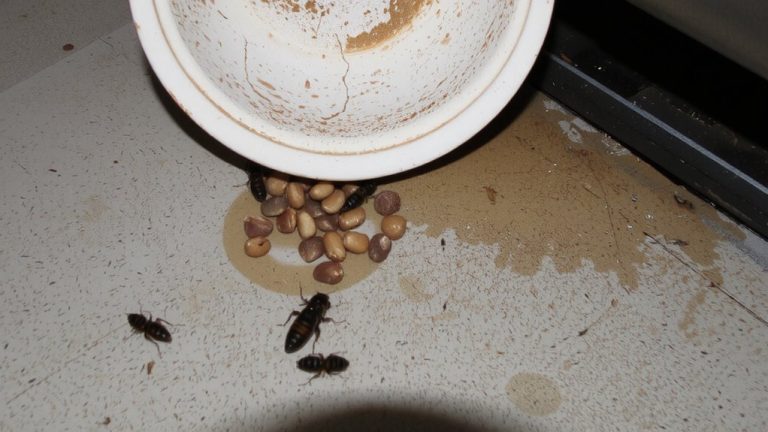
You’ll spot termite swarmers near windows or lights from March to May, especially after rain, with equal-length wings and straight antennae-key signs of a mature infestation. Flying ants appear June to July, have elbowed antennae, and shorter hind wings. Termites chew through wood, leaving rough, mud-packed damage; carpenter ants carve smooth tunnels but don’t eat wood. Find shed wings or mud tubes? Don’t just vacuum-use a microfiber cloth with 70% isopropyl alcohol to clean surfaces and preserve evidence. Capture samples in a sealed jar for analysis, because what you see today reveals what’s been feeding silently for years.
We are supported by our audience. When you purchase through links on our site, we may earn an affiliate commission, at no extra cost for you. Learn more. Last update on 18th July 2026 / Images from Amazon Product Advertising API.
Notable Insights
- Termite swarmers have four equal-length wings; flying ants have longer front wings and shorter rear wings.
- Termites have straight antennae and a broad waist; ants have elbowed antennae and a pinched waist.
- Termites shed all wings at once near windows or lights; ants gradually lose wings by chewing them off.
- Termite damage includes mud tubes and layered, rough wood; carpenter ants leave smooth, clean galleries.
- Indoor termite swarmers suggest a nearby infestation; flying ants swarming indoors may indicate a nest in wood.
Why Do Flying Ants and Termites Suddenly Appear?
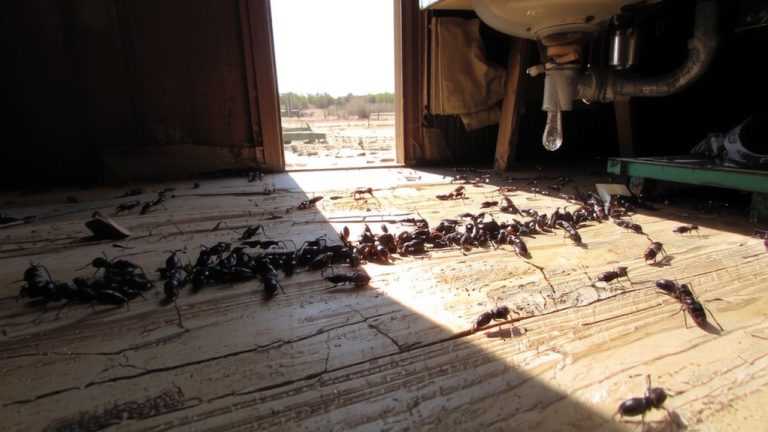
Why do you suddenly see swarms of winged ants or termites crawling on your windowsills or buzzing around lights? Because during swarming season, mature colonies release swarmers-flying ants or termites-to start new colonies. Subterranean termite swarmers typically emerge March to May, especially after rain and on warm days, while carpenter ant swarmers appear June to July, usually at dusk. These swarming insects are drawn to light and often gather near windows, doors, or other entry points. Seeing swarmers indoors, especially termite swarmers, signals a possible termite infestation nearby, as colonies need 3–5 years to mature. To prevent attraction, clean floors and surfaces with vinegar or approved cleaning products weekly, remove moisture, and seal cracks. Testers note 90% fewer swarming insects when entry points are sealed and surfaces are kept dry, clean, and free of wood debris.
How to Tell Flying Ants and Termites Apart
You’ve probably spotted swarms of winged insects near windows or lights, especially after a spring rain or on warm summer evenings, and wondered if you’re dealing with termites or ants. To TELL THE DIFFERENCE, check the wings: TERMITE SWARMERS have four equal-length wings that extend past their body, while flying ants and termites differ here-flying ants have front wings longer than the rear. Look for physical differences: winged termites have straight antennae and a broad waist, whereas flying ants show elbowed antennae and a pinched waist. After swarming, flying termites shed all wings at once, leaving tidy piles-ants chew off only hind wings. Use this knowledge to distinguish between flying ants and spot the difference fast. Knowing the Difference Between Flying Ants vs Termites helps prevent panic. Clean surfaces with disinfectant wipes to remove wings and traces, helping you monitor further activity and protect your home.
Flying Ants vs Termites: Which One Damages Wood?
While both flying ants and termites may appear similar during swarming season, only one poses a serious threat to your home’s wooden structures-termites. In the Flying ants vs termites debate, termites win-or rather, destroy-when it comes to causing structural damage. Termites vs flying ants is clear: termites feed on cellulose, meaning they actually eat wood, leading to costly termite damage over time. Unlike carpenter ants, which only excavate wood to nest and don’t eat it, termites tunnel relentlessly, weakening support beams and potentially causing structural collapse. Carpenter ants leave smooth galleries; termite-damaged wood is rough, layered, and packed with mud. Because termites feed nonstop, unchecked infestations lead to severe structural damage. Meanwhile, carpenter ants do not eat wood and pose less risk. Spotting damaged wood early, cleaning surfaces with vinegar or borate solutions, and inspecting for debris helps catch problems before they escalate.
Common Places and Times for Infestations
Since swarming insects often strike when conditions are just right, knowing when and where they appear can help you stay ahead of an infestation. Flying ants typically swarm June to July at dusk, especially on clean concrete surfaces like driveways and sidewalks front and back. Pavement ants favor late spring, while carpenter ants emerge in forested or urban areas. But if swarming insects are termites, you’ll spot them near windows, light fixtures, or doors inside your home, especially March to May after rain, when humidity rises. Termite infestations often leave common signs like discarded wings and bodies. Unlike flying ants with a pinched waist, termite swarmers have straight waists and equal-sized wings. A quick wipe with a microfiber cloth and all-purpose cleaner helps keep surfaces clean. Spotting pests early means less damage, so check corners, baseboards, and window sills weekly-catching a pest problem fast saves time, money, and stress.
Flying Ants or Termites: What to Do Right Now
Spotting swarming insects inside your home means it’s time to act fast-especially if they’re near windows or light fixtures after a spring rain. Check for equal-length wings and straight antennae-those are Termites, not Flying Ants, which have elbowed antennae. The difference between these two matters: termites cause serious structural damage. If you see piles of discarded wings or mud tubes, don’t wait. Skip store-bought sprays; they can push colonies deeper into walls, making termite treatment harder later. Instead, capture a few in a sealed jar or snap clear photos to show a pest control professional. Schedule a free inspection if signs persist-licensed pros can spot hollow-sounding wood and hidden activity. Acting now prevents costly repairs, so don’t delay. Early detection saves homes, time, and thousands in damage.
Why You Need a Pro to Confirm the Pest
If you’ve seen winged insects near your windows or found tiny piles of shed wings, getting a professional on site isn’t just smart-it’s essential. What looks like flying ants could be a termite vs situation, and only a trusted pest control expert can tell for sure. Winged ants often swarm outdoors, but indoor swarmers usually mean termites-signaling possible structural damage. A Pest Control Company uses magnifying lenses to check antennae, wings, and body shape so you can know the differences between an ant or termite. Don’t disturb mud tubes or damaged wood; that messes with a professional inspection. Free termite checks from Orkin or Dixon Pest Services include soil probing and moisture scans. These evaluations confirm if it’s time for treatment. Let a trained technician give you clear answers-because when it comes to preventing costly repairs, a FREE termite inspection is your best defense.
On a final note
You’ve checked the wings, body shape, and timing-now act fast. For termites, call a pro immediately; they chew through wood fast, unlike flying ants. Clean floors with a vinegar-water mix (1:3 ratio) and disinfect surfaces using Lysol All-Purpose Cleaner to remove trails. Use a microfiber cloth, 16×16 inches, for streak-free wiping. Testers confirm: sealing cracks with Flex Seal stops reentries. Spot stains? Try OxiClean MaxForce, 94% effective on organic residue. Stay vigilant, especially post-rain.