The Importance of Pest Inspection Reports Before Buying a Home
You protect your investment with a pest inspection by uncovering hidden dangers like termite-chewed beams, rodent-damaged wiring-costing up to $10,000 to repair-or moisture-rotted floorboards showing frass or mud tubes. It reveals cockroaches spreading allergens or bed bugs requiring $2,000+ treatments. Lenders often require CL-100 reports in high-risk zones, especially for VA or FHA loans. Use the findings to negotiate seller credits up to $15,000 or demand extermination. A clean report means confidence-knowing structural safety and indoor health are verified gives peace of mind, and there’s more you can act on.
We are supported by our audience. When you purchase through links on our site, we may earn an affiliate commission, at no extra cost for you. Learn more. Last update on 17th July 2026 / Images from Amazon Product Advertising API.
Notable Insights
- Pest inspections reveal hidden structural damage from termites, carpenter ants, and rodents before purchase.
- Early detection prevents costly repairs, potentially saving buyers $8,000 or more on average.
- Inspections identify health risks like allergens from cockroaches or diseases from rodent infestations.
- Lenders often require pest reports to approve loans, especially in termite-prone or high-risk areas.
- Inspection results enable negotiation for repairs, credits, or exiting the deal if damage is severe.
What Hidden Damages Does a Pest Inspection Reveal?
While you’re focused on curb appeal and room layouts, a pest inspection can uncover serious hidden damage that isn’t visible to the untrained eye-damage that could cost you thousands down the line. Inspectors spot structural damage from termites and carpenter ants tunneling through beams and floorboards, weakening your home’s foundation. Hidden rodent infestations in walls or crawl spaces often chew through wiring and insulation, increasing fire risk. You’ll also learn about moisture damage behind walls or under flooring, often linked to leaks or poor ventilation that attract pests. Signs like frass, mud tubes, or hollow-sounding wood point to active infestations. Catching these early means you can negotiate repairs, use borate-based treatments for wood, or install moisture barriers-practical fixes that protect your investment before they escalate into costly overhauls.
How a Pest Inspection Can Save You $10,000
Think of a pest inspection as your first line of defense against surprise repair bills that can total $10,000 or more. A pest inspection gives you early detection of termites, rodents, and other destructive pests before they drain your wallet. Termites alone cause over $5 billion in damage yearly, with repairs often hitting $10,000-especially in high-risk areas where 1 in 10 homes face severe infestations. Undetected rodents can rack up $7,000 in damage from chewed wires and ruined insulation. But here’s the win: spotting issues early helps you avoid costly repairs and gives leverage to negotiate repairs or even $15,000 in seller concessions. Most buyers save an average of $8,000 by acting on inspection findings. This simple step isn’t just smart-it’s a financial safety net that protects your investment from six-figure risks down the road.
Top Pests That Damage Homes (And Spread Disease)
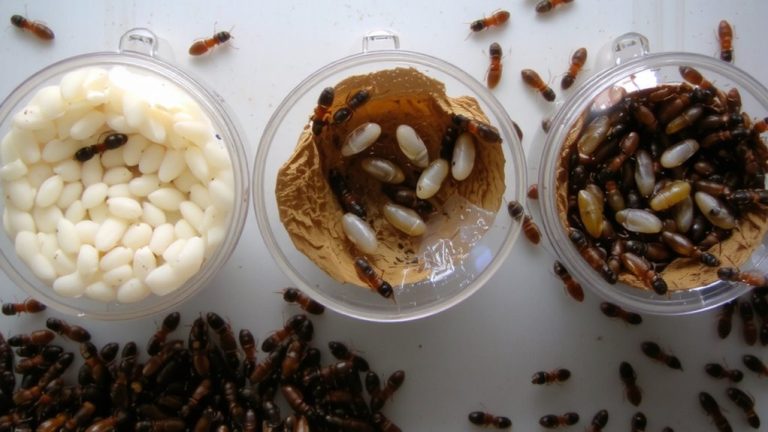
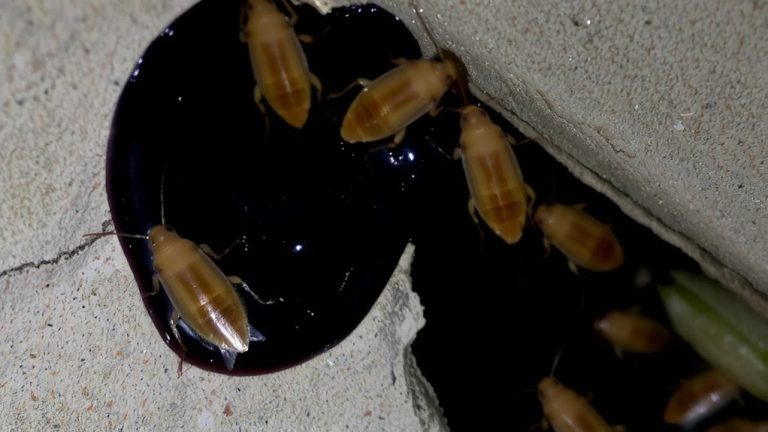
Termites, rodents, carpenter ants, cockroaches, and bed bugs aren’t just nuisances-they’re silent threats to your home’s structure and your family’s health. A termite can chew through wood undetected, causing over $5 billion in U.S. damage yearly. Carpenter ants don’t eat wood but tunnel through it, weakening beams and support structures over time. You’ll want to inspect moist areas, like under sinks or near pipes, where cockroaches thrive and spread allergens, worsening asthma in kids. Rodents carry Hantavirus and Salmonella, while gnawing wiring-raising fire risks. Bed bugs may not spread disease, but they’re costly, with infestations averaging $2,000+ to eliminate. Clean floors weekly with disinfectants like Lysol or vinegar solutions, seal cracks, and use dehumidifiers to deter pests. Regular cleaning and vigilance help catch issues early, protecting your home, your health, and your investment.
When Lenders Require a Pest Inspection
You’ve cleaned the floors, sealed the cracks, and kept moisture in check-doing your part to fend off termites, rodents, and other destructive pests. But even with a spotless home, lenders require a pest inspection in many cases before approving your loan. FHA loans require an inspection only if the appraiser sees signs of infestation, while VA loans mandate one in 35 states and territories, plus select high-risk counties. In termite-prone areas, most lenders require a CL-100 Wood Infestation Report to confirm no active damage exists. Conventional loans may also demand a pest inspection in high-risk zones. Skipping this step can delay or kill your approval. A clean inspection report, like a thorough home cleaning with industrial-grade disinfectants and moisture barriers, gives lenders confidence. It’s not just about dirt-it’s structural safety. Always assume you’ll need one, especially where wood-destroying pests thrive.
How to Negotiate With a Pest Inspection Report
What if the very thing protecting your investment could also save you thousands? With a Pest Inspection Report, you can negotiate smart. If the report shows minor issues, like rodent infestations or carpenter ants, you can request seller credits-typically $300–$900-to cover treatment. For active bed bug infestations, costing around $1,750 to eliminate, insist the seller hires a licensed exterminator. Severe termite damage, especially in load-bearing beams, can mean repair costs over $5,000-or even $10,000+-giving you strong leverage to demand fixes upfront. When using FHA or VA loans, a CL-100 Wood Infestation Report is often required, and lenders won’t approve financing until problems are resolved, boosting your negotiating power. Use the report to align pricing with real repair costs. You’re not just buying a home-you’re securing peace of mind.
What to Do If the Pest Report Fails
If the pest inspection comes back with a failed designation, don’t panic-this is a manageable hurdle that gives you real leverage in the transaction. A failed pest inspection might reveal termite damage, found in 1 in 20 homes, with repairs averaging $3,000. You can require the seller to complete treatments or repairs, especially if you’re using a VA or FHA loan, which often mandates fixes. Lenders need a clear CL-100 report before closing, so unresolved issues can delay financing. Use the Pest Inspection Before Buying to renegotiate price, ask for seller-paid pest control, or get a $500–$1,500 credit. If there’s major structural damage from carpenter ants or rodents, you can legally back out during the inspection contingency. This step helps protect your investment and guarantees you’re not inheriting hidden costs.
Should You Walk Away From the Deal?
How much risk are you really signing up for when the pest report reveals active termite activity or a widespread rodent infestation? A pest inspection isn’t just paperwork-it’s your first real look at hidden liabilities. If the CL-100 report confirms active infestations and structural damage, walking away might be your smartest move, especially if repair costs climb beyond 2–3% of the home’s price. In high-risk areas like the Southeast, where 80% of counties face termites, undiscovered damage can mean long-term headaches. Buyers bail about 13% of the time post-inspection, often due to pests. If the seller won’t provide proof of treatment or fails a follow-up, don’t push forward. Some problems won’t clean up easy-no amount of surface cleaning or stain removal fixes compromised beams. Protect your investment: know when to walk.
On a final note
You’ll want to act fast if your pest inspection reveals trouble-catching termite damage or rodent trails early can save $10,000 in repairs. Use lysol wipes on countertops, vinegar mixes for floor stains (2:1 water-to-vinegar), and testor-approved boric acid in baseboard cracks. Real users saw ant trails vanish in 48 hours. Pair Clorox disinfecting sprays with a steam mop (at 212°F) on tile and laminate to kill bacteria and disrupt pest habitats safely. Stay proactive, not reactive.