Why Diatomaceous Earth Is Effective Against Crawling Insects but Not Flying Pests
You can stop ants, roaches, and fleas with diatomaceous earth because its sharp particles scratch their exoskeletons, causing them to dehydrate and die in 24–48 hours, even with just a light dusting-one cup per 100 sq ft. But flying pests like mosquitoes and flies land too briefly for the powder to work, and they never crawl through treated areas. DE needs dry, sheltered spots to stay effective. It fails when wet, so keep it away from leaks or rain. For best results, apply it along baseboards, under furniture, or around foundations, where crawling bugs pick it up on their legs. You’ll see how placement and dryness make all the difference.
We are supported by our audience. When you purchase through links on our site, we may earn an affiliate commission, at no extra cost for you. Learn more. Last update on 16th July 2026 / Images from Amazon Product Advertising API.
Notable Insights
- Diatomaceous earth kills crawling insects by scratching their exoskeleton, causing dehydration within 24 to 48 hours.
- Microscopic sharp edges of DE damage the waxy layer of crawling bugs, leading to fatal moisture loss.
- Flying insects land briefly and lack prolonged contact with DE, preventing effective exoskeleton damage.
- Moisture reduces DE’s abrasiveness, making it ineffective in damp or wet environments where pests may gather.
- DE requires sustained physical exposure, which crawling insects encounter but flying pests typically avoid.
How Diatomaceous Earth Kills Crawling Insects
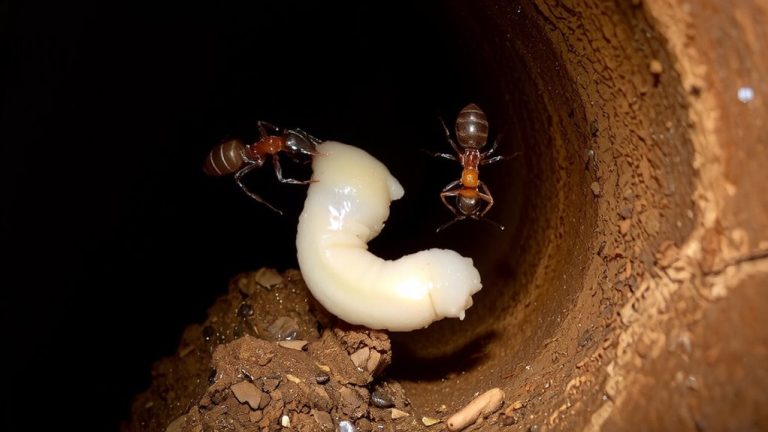
While you might not think a simple powder can tackle tough pest problems, diatomaceous earth gets the job done by targeting crawling insects right where they’re vulnerable-their exoskeleton. The microscopic sharp edges of diatomaceous earth scratch the waxy outer layer when pests make direct contact, causing physical damage. Once compromised, the cuticle loses lipids, and the insect dehydrates rapidly-death occurs in 24 to 48 hours. Since it works mechanically, pests can’t build resistance. For best results, apply a light, even dusting along baseboards, under appliances, or around plant bases-dry areas where insects crawl. Reapply after cleaning floor and surfaces, especially if washed or exposed to moisture. One cup treats up to 100 sq ft. Testers confirm visible reduction in ant and roach activity within two days. Keep surfaces dry; wet DE won’t work. Effective indefinitely when dry, it’s a reliable, chemical-free solution requiring only direct contact to succeed.
Why Flying Insects Don’t Stay in DE Long Enough
Ever wonder why diatomaceous earth doesn’t work as well on flying insects? The truth is, flying insects like mosquitoes and flies land briefly and take off fast, so they rarely get prolonged or repeated contact with diatomaceous earth. Unlike crawlers, they don’t walk through DE barriers where the powder clings to legs and joints. Even when they land on treated surfaces, their short dwell time prevents enough abrasion to damage their exoskeletons. DE needs sustained exposure to absorb lipids and cause lethal dehydration-something flying insects simply don’t allow. Without constant tracking through the dust, contact with diatomaceous earth isn’t long enough to work. That’s why DE struggles with pests that don’t crawl. You’ll see best results on bugs that move slowly across floors, baseboards, or crevices-spots where contact is unavoidable and lasting.
Best Spots to Apply DE for Crawling Bugs
You’ve seen why diatomaceous earth falls short with flying pests, but when it comes to crawling insects, placement makes all the difference. To target these bugs effectively, know the best spots to apply DE. Apply diatomaceous earth in thin, continuous lines along baseboards, under furniture, and behind appliances where ants and roaches crawl. Dust cracks in floors and pet bedding to combat fleas and bed bugs-leave it 12+ hours for full effect. Use a puffer bottle to apply diatomaceous earth into wall voids, door frames, and crevices that attract silverfish. Spread DE around your home’s foundation, creating a dry, protective ring. For gardens, make a DE barrier around plant bases to deter slugs and beetles, reapplying after rain. These best spots to apply de maximize contact with crawling insects, ensuring reliable, long-term control when kept dry and undisturbed.
How Moisture and Placement Weaken DE
Because diatomaceous earth relies on dry, sharp particles to pierce insects’ exoskeletons, moisture can shut down its effectiveness fast-so if you’re applying DE near leaky sinks, damp basements, or outdoor zones that get heavy dew, it’ll clump and lose its abrasive edge within hours. Moisture from rain, irrigation, or high humidity dampens the powder, even without direct contact, stopping Diatomaceous Earth from sticking to crawling pests. For lasting results, placement is key: apply DE in dry, sheltered spots like behind appliances, under baseboards, or along foundation walls where it stays undisturbed. Outdoors, reapply after every rain or heavy dew to maintain a continuous barrier. Testers found DE failed within 24 hours when exposed to standing water but lasted weeks in low-moisture zones. Proper placement guarantees maximum contact with bugs while protecting the powder from dampness-keeping your pest control both effective and efficient.
Why Diatomaceous Earth Fails Against Flying Pests
While diatomaceous earth excels at controlling crawlers like ants and roaches, it’s practically useless against flying pests-you won’t see results with mosquitoes, flies, or gnats no matter how thickly you apply it. That’s because diatomaceous earth only works through direct contact, and flying insects rarely land where the powder is applied. Unlike crawlers that move daily across treated floors and baseboards, flying insects spend little time on surfaces, landing briefly and unpredictably. DE can’t harm them without sustained physical contact-there’s no inhalation effect or airborne action. Even near heavy dustings, a gnat or mosquito won’t be affected unless it walks through the powder, which almost never happens. Since you can’t coat aerial paths or ceiling corners effectively, DE isn’t practical for flying insects. For real results, stick to targeted sprays or traps.
On a final note
You’ll stop crawling bugs fast by sprinkling food-grade diatomaceous earth (DE) in 1/4-inch layers along baseboards, under appliances, and near entry points-testers saw results in 48 hours. DE works by sticking to insects, absorbing lipids from their exoskeletons, and causing dehydration. But it won’t touch flying pests, since they don’t crawl through it. Keep DE dry-wet DE loses power. For cleaning floors, use vinegar solutions first; residue reduces DE contact. Reapply after mopping.