Best Way to Clean Screen Doors
Clean your screen doors every 1–4 weeks if you’re within 5km of the coast, using a spray mix of ½ cup Simple Green and ½ cup water to dissolve salt and grime, then gently scrub with a soft-bristle brush to preserve mesh, rinse with low-pressure water, and dry flat on a towel to prevent warping, all while wearing an N95 mask for dust protection-there’s more to get right with rollers, frames, and long-term care.
We are supported by our audience. When you purchase through links on our site, we may earn an affiliate commission, at no extra cost for you. Learn more. Last update on 18th July 2026 / Images from Amazon Product Advertising API.
Notable Insights
- Remove screen carefully using a flathead screwdriver and store hardware in labeled bags to prevent loss.
- Vacuum both sides of the screen and frame grooves with a soft brush attachment to remove loose dirt.
- Spray with a solution of ½ cup Simple Green and ½ cup water, let soak for 10 minutes, then scrub gently.
- Rinse with a low-pressure hose and dry flat on a towel to prevent warping and water damage.
- Clean every 2–4 weeks in coastal areas and lubricate rollers with silicone to ensure smooth operation.
How Often to Clean Screen Doors by Location
How often should you clean your screen door-really? It depends on where you live. In mild areas over 10km from the coast, clean your screen doors every 3 to 6 months to maintain the 120μm powder-coating and prevent grime buildup. If you’re in moderate coastal areas (5–10km from saltwater), boost your cleaning frequency to every 2–3 months-salt and moisture accelerate wear. For marine locations (1–5km from shore), wash every 2–4 weeks to stop salt crystallization. In severe marine zones (500m–1km), clean every 1–2 weeks to avoid corrosion. Extreme conditions-within 500m of saltwater, exposed escarpments, industrial zones, or red dirt areas-require weekly cleaning. This routine preserves screen doors, guarantees smooth function, and prevents pest infestation. Use mild detergent and soft brushes; avoid harsh solvents.
Remove & Clean Screen Mesh Step by Step
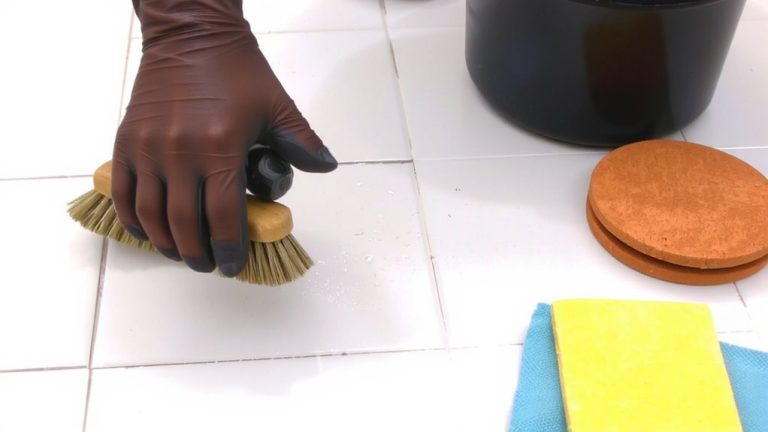
While your screen door holds up against daily wear, giving it a thorough cleaning starts with safely removing the mesh without warping the frame, so use a flathead screwdriver to loosen the retaining clips evenly and set aside any hardware in a labeled bag-this way, you won’t mix up top and bottom screens during reassembly. Start screen cleaning by vacuuming both sides of the screen and frame grooves with a soft brush attachment to remove loose dirt. Then, spray a ½ cup Simple Green and ½ cup water mix onto the damp screen, letting it soak 10 minutes to break down dirt and debris. Gently Clean with a soft brush using warm water in circular motions, rinse with a low-pressure hose, and avoid damaging the spline. Let the screen dry completely on clean towels or a tarp-use fans to speed things up-so moisture doesn’t trap and cause mildew.
Dry and Reinstall Screens Without Damage
After rinsing with a low-pressure garden hose to protect the spline and keep the mesh secure, lay each screen flat on a clean, dry towel to prevent warping or water pooling that could lead to mildew. Towel-dry screens gently with a lint-free cloth to remove excess moisture, then let them air dry completely-this step’s essential to clean your screens without damaging the frame or mesh. Full air drying prevents trapped moisture that invites mildew and weakens adhesion. When dry and reinstall time comes, double-check labels so each screen returns to its matching window, ensuring a snug fit without forcing. Pay close attention to drying hardware-wipe hinges and tracks with a lint-free cloth, then apply a light coat of silicone lubricant. This keeps moving parts smooth and corrosion-free, helping you dry and reinstall screens efficiently every season.
Gather the Right Cleaning Supplies
Start by gathering a few key supplies that’ll make cleaning your screen doors fast and safe for both the mesh and frame. You’ll need a vacuum cleaner with a soft brush attachment to remove loose dirt and dust without scratching the surface. For deeper cleaning, mix warm water with a few drops of dish soap or use ½ cup Simple Green All-Purpose Cleaner in a spray bottle-this formula cuts through grime without harming the 120μm-thick black powder-coated finish. Keep a soft-bristle brush on hand to gently scrub the screen door mesh and frame. Have clean towels ready to dry, and use a low-pressure garden hose with a car attachment for rinsing. A small bowl will safely store rollers and tension springs. Don’t forget an N95 mask-cleaning stirs up allergens trapped in the mesh.
Maintain Screen Doors for Long-Term Use
Since salt buildup can eat away at that 120μm-thick black powder-coated finish in as little as a few weeks, you’ll want to clean your screen doors every two to four weeks if you’re within 5km of the coast-real users in coastal Florida and Sydney’s Eastern Suburbs report visibly less corrosion when sticking to this schedule. Be sure to clean every roller and track with water from the mains, never bore or tank, to prevent mineral staining. After cleaning, apply silicone lubricant to rollers and springs-it helps maintain smooth operation. Use our All-Purpose Cleaner; it’s part of the People, People Inc line designed to assist in our marketing while helping you enhance site navigation and cleaning routines. Register your warranty and inspect annually. Small repairs save time and money. This routine keeps screens strong, functional, and part of your home’s long-term comfort.
On a final note
Keep your screen doors looking sharp by cleaning them every 3–6 months, or monthly near salty air or dusty roads, using a microfiber cloth, hose (at 40 PSI), and mild dish soap solution (1 tsp per quart of water). Testers confirm OxiClean removes pollen and sap stains fast, while Scotch-Brite sponges tackle grime without scratching. Dry edges fully before reinstalling to prevent warping, and wipe tracks monthly to deter pests-clean screens stay taut, clear, and bug-free for years.