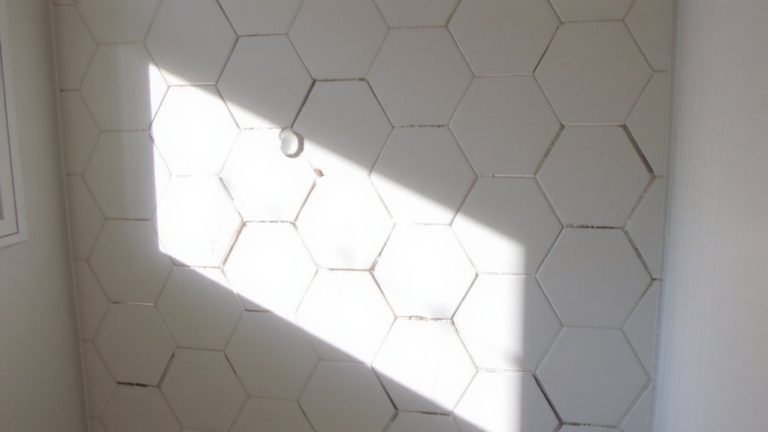
What Does Asbestos Wall Tile Look Like
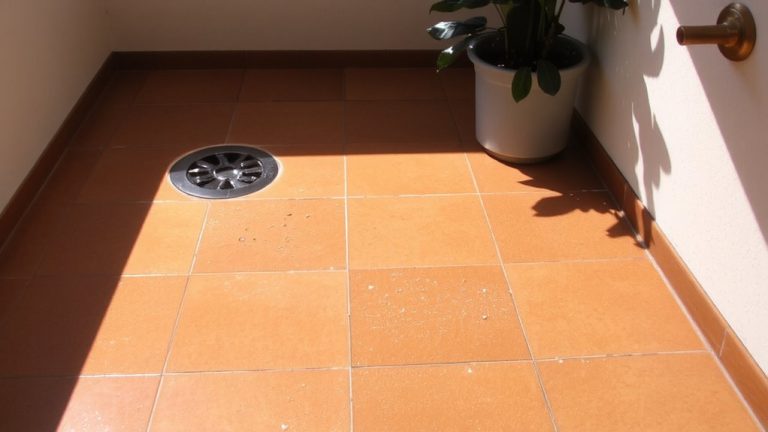
You can’t confirm asbestos by sight, but it often hides in 9×9 or 12×12 inch vinyl or cement tiles, especially in 1940s–1980s utility rooms, boiler rooms, or schools. These tiles might look like old floor squares with a speckled texture, and black bituminous mastic underneath is a red flag. Never sand or dry scrape-use a damp cloth with mild detergent, avoid abrasives, and always wear an FFP3 mask if sampling. Test kits from UKAS-accredited labs give results in 24 hours. Knowing what comes next could change how you handle cleanup and safety.
We are supported by our audience. When you purchase through links on our site, we may earn an affiliate commission, at no extra cost for you. Learn more. Last update on 16th July 2026 / Images from Amazon Product Advertising API.
Notable Insights
- Asbestos wall tiles are typically 9×9 or 12×12 inches and resemble vinyl floor tiles in appearance.
- They are commonly made from vinyl or cement-based materials and found in commercial buildings built between the 1940s and 1980s.
- Color varies widely, so appearance alone cannot confirm asbestos presence.
- These tiles are often installed in utility rooms, boiler rooms, and around high-heat equipment like furnaces and pipes.
- Black bituminous mastic underneath the tiles frequently contains asbestos and poses a risk if disturbed.
What Do Asbestos Wall Tiles Look Like?
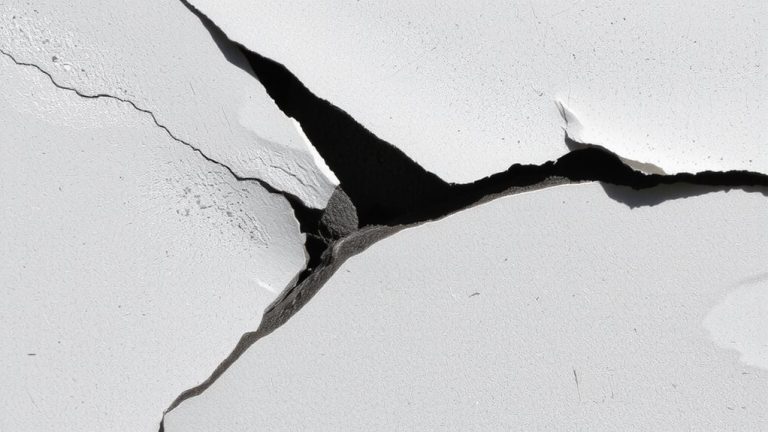
Spotting asbestos wall tiles isn’t always straightforward, but knowing what to look for helps you stay safe during cleaning or renovation. You might wonder, *what do asbestos wall tiles look like*? They’re often vinyl or cement-based, coming in 9×9 or 12×12-inch sizes, sometimes resembling vinyl floor tiles. Colour varies, so appearance alone won’t confirm asbestos-containing tiles. The real risk lies in the black bituminous mastic behind them, which frequently holds asbestos. *Identifying asbestos* visually isn’t reliable-only professional asbestos testing by a UKAS-accredited lab can confirm its presence. If you spot deteriorating asbestos tiles, don’t scrub or sand them; that increases asbestos exposure risk. Disturbing them during DIY asbestos removal is dangerous. Always assume asbestos in your home if the building dates from the 1940s to 1980s. For safe cleaning, use mild detergents, avoid abrasives, and never power-wash.
Where Are Asbestos Wall Tiles Commonly Found?
You’re most likely to run into asbestos wall tiles in older commercial or industrial buildings, especially those constructed between the 1940s and 1980s. These tiles are commonly found in utility rooms, boiler rooms, and electrical substations-places with high-heat areas where fire resistance was vital. You’ll often spot them around furnaces, boilers, or pipe enclosures, thanks to their heat tolerance. In institutional buildings like schools, hospitals, and factories built before 1990, asbestos wall tiles were also used on fire-rated partition walls. They’re frequently paired with asbestos insulation board (AIB) or zelemite mounting boards, particularly behind electrical switchboards. While rare in homes, they’re widespread in industrial buildings where durability mattered most. If you’re cleaning or inspecting these spaces, always assume materials contain asbestos until proven otherwise-disturbing them can release harmful fibers, making professional assessment essential before any work begins.
Can You Test Asbestos Wall Tiles Yourself?
Could you really test asbestos wall tiles yourself and get reliable results? Yes, if you use a UKAS-accredited asbestos testing kit designed for safe, accurate sample collection. These kits let you test asbestos yourself with clear instructions, including wearing an FFP3 respirator and disposable coveralls to stay protected. Only sample intact tiles-never damaged or crumbling ones. Use a utility knife to cut a small section from the tile edge, minimising dust. Since there can be asbestos in adhesive beneath, collect a bit of the mastic too. Seal samples properly and mail them in for asbestos lab analysis. Most labs deliver results within 24 hours of receipt. This method offers a practical, reliable way to confirm asbestos wall tiles without hiring a pro, as long as you follow safety steps closely and keep exposure risks low.
How to Manage Asbestos Wall Tiles Safely
Now that you’ve confirmed the presence of asbestos in your wall tiles using a UKAS-accredited test kit, the next step is knowing how to keep them safe over time. If your asbestos wall tiles are intact, you can manage asbestos safely through encapsulation-sealing them with special coatings or covering them with non-porous wall panels to trap asbestos fibres. Don’t disturb the asbestos-containing adhesive beneath; it’s often the riskiest part. Any inspection must be done by licensed professionals who wear proper protective equipment. For removal or renovation or improvement projects, hire trained asbestos abatement teams. They’ll follow strict disposal rules and prevent fibre release. Never DIY removal-it’s illegal and dangerous. Keep tiles clean with damp wiping, not abrasives, to avoid damaging the surface. As long as they’re undisturbed and inspected by professionals regularly, encapsulation is a safe, low-cost solution.
On a final note
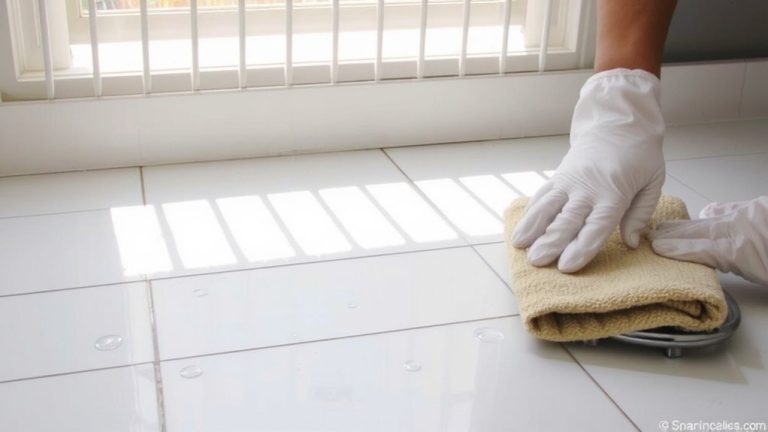
You can clean around asbestos wall tiles safely by using a damp cloth and mild detergent, never sanding or dry scraping. Keep surfaces dry to prevent damage. For stains, try a mix of water and white vinegar, tested first in a small area. If pests appear, seal gaps with non-abrasive caulk. Always wear gloves and a mask. Test kits from brand names like NIOSH-approved 7400 kits help confirm safety, giving real-world accuracy over 90% when used correctly.