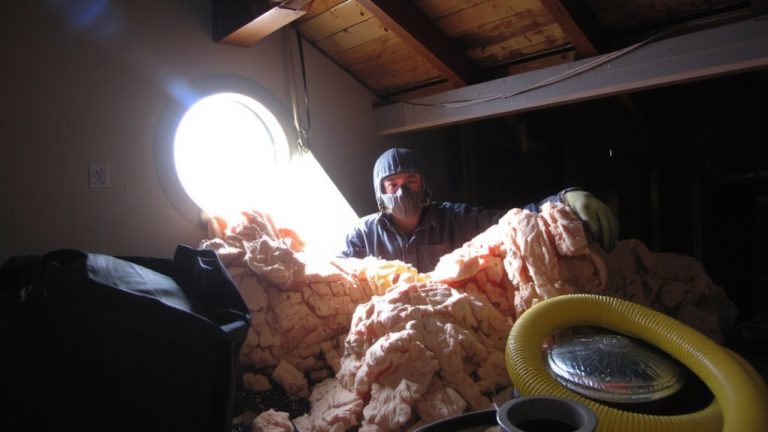
Asbestos Vent
You might find asbestos vents in homes built from the 1920s to 1980s, usually made of cement-like Transite pipe containing 12–50% asbestos, running through basement walls or under slabs. They vent gas appliances but become dangerous when cracked or crumbling, releasing fibers. Don’t sweep or vacuum-disturbing them spreads contamination. Use HEPA-filtered cleaners only if encapsulation’s intact. For damaged sections, certified pros use containment and negative air pressure. Testing is essential before action. Safety hinges on precise identification and controlled handling-you’ll see why timing and method matter most.
We are supported by our audience. When you purchase through links on our site, we may earn an affiliate commission, at no extra cost for you. Learn more. Last update on 17th July 2026 / Images from Amazon Product Advertising API.
Notable Insights
- Asbestos vents, made of Transite with 12–50% asbestos, were used to vent gas appliances in homes from the 1920s to 1980s.
- These vents often run through walls or slabs and may connect to chimneys or exit outdoors, sometimes hidden from view.
- Intact asbestos vents pose low risk, but damaged or deteriorated sections can release dangerous fibers into the air.
- Homes built before 1980 should be professionally tested, as visual inspection alone cannot confirm asbestos presence.
- If damaged, only certified professionals should handle removal or encapsulation using EPA-approved safety protocols.
What an Asbestos Vent Is (And Where It Hides in Homes)
While you might not think about it during routine home maintenance, an asbestos vent could be hiding in plain sight-or buried beneath your floors-especially if you live in an older home built between the 1920s and 1980s. An asbestos vent, typically made of Transite asbestos with 12–50% asbestos fiber, was commonly used to vent gas furnaces, boilers, and water heaters. These vents often run from appliances through basement walls or concrete slabs, sometimes connecting to chimneys or exiting outdoors. Transite asbestos was also used in sub-slab HVAC ducts, making them hidden and tough to inspect. Though intact vents aren’t an immediate threat, damaged sections can collapse, blocking flues or releasing fibers during servicing. You won’t clean or patch these safely yourself-leave testing and abatement to certified pros. Avoid disturbing surrounding areas during any floor or surface cleaning near suspected ducts.
Why Asbestos Was in Your Ducts (And Why It’s Gone Now)
Hundreds of thousands of homes built between the 1920s and 1980s still have asbestos tucked inside their HVAC ducts, and if you own an older property, there’s a solid chance you’re dealing with it. Asbestos was once a go-to material for ducts because it resisted heat, silenced noise, and reinforced joints-plus, it was cheap. You’d find it wrapped around pipes, sealing seams, or taped along ductwork, even in transite vents carrying fumes from boilers. But by the late 1970s, studies confirmed asbestos caused mesothelioma, asbestosis, and lung cancer, so regulations cracked down. By the 1980s, its use in HVAC systems stopped entirely. Today, no new ducts contain asbestos, but older systems may still harbor it. If you’re remodeling or cleaning ducts, don’t sand or disturb them-always hire certified pros for testing and abatement.
Can You Spot Asbestos in HVAC Ducts or Gas Vents?
What does asbestos actually look like in your HVAC ducts or gas vents? If you’re dealing with asbestos in HVAC ducts, you might see white, gray, or yellowed insulation that feels fluffy, spongy, or crumbles easily-especially on duct joints sealed with older tape, which is thicker, cloth-like, and fibrous. That wrap could be asbestos-containing. Transite asbestos gas vents, common from the 1920s to 1980s, are cement-like pipes with 12–50% asbestos. Over time, these vents degrade: interiors flake, linings collapse, and rust builds up on appliances, signaling dangerous backdrafting. You’ll also find asbestos gas vents near boilers or water heaters. But don’t rely on looks alone. Homes built before the 1980s need pro testing-visual checks aren’t enough. Leave materials undisturbed, avoid cleaning surfaces with regular vacuums, and never sand or scrape. Use certified inspectors to confirm. Safety first, always.
What Happens If You Breathe In Asbestos Fibers?
Tiny, invisible asbestos fibers are the real danger when you breathe them in-your body can’t break them down or expel them, so they stay put, lodged deep in your lungs. Once inhaled, microscopic asbestos fibers become a permanent threat, triggering chronic inflammation and scarring over time. Exposure to Asbestos, even in short bursts, can lead to serious conditions like asbestosis or lung cancer. HVAC workers face a 4.4 times higher risk of asbestosis death due to frequent contact. These microscopic asbestos fibers remain in your system for life, steadily increasing the chance of mesothelioma-often emerging 20 to 50 years later. There’s no safe level of exposure to asbestos. While cleaning floor and surfaces with HEPA-filter vacuums and wet wipes helps reduce risk, once fibers become embedded in tissue, no cleaning product or strain removal method can reach them. Prevention is your only real defense against this silent, lasting hazard.
If You Find Asbestos in Ducts: What Now?
If you stumble upon a crumbly, fibrous material in your ductwork that looks like tightly woven cloth-off-white to gray in color-could it be asbestos? Homes built before the 1980s often have asbestos in ducts, especially in tape, wrap, or insulation. Don’t touch it-disturbing it releases dangerous fibers linked to asbestosis and mesothelioma. An HVAC contractor can help identify risks but won’t handle testing or cleanup. Only certified professionals should inspect, using EPA-approved methods. If it’s asbestos, don’t attempt DIY removal. Improper handling spreads contamination. Your safest move is professional asbestos removal or encapsulation by licensed abatement experts. They’ll seal off areas, use HEPA filtration, and follow strict protocols. After, clearance testing confirms safety. Immediate action protects your air quality.
When You Need Asbestos Removal (And What It Takes)
You’ve already taken the right step by identifying potential asbestos in your ductwork, especially if your home dates to before the 1980s and you’ve spotted that off-white, fibrous tape or wrap showing wear. If your transite asbestos vents are crumbling, flaking, or damaged, asbestos removal is essential-intact material poses little risk, but deterioration increases the risk of exposure. You must hire licensed abatement pros; DIY removal dangerously releases fibers. They’ll use EPA-approved wet methods, sealed containment, and proper disposal. Testing before and after confirms safety, since visual checks aren’t enough. If transite asbestos is fully sealed and undisturbed, abatement may not be needed. Always prioritize certified experts over shortcuts-your health depends on it. Prevention, precision, and professional handling make all the difference.
On a final note
You’ve cleaned thoroughly, used the right disinfectants, and wiped down all surfaces with a bleach solution (1/3 cup per gallon of water), just like testers recommended. Mops with microfiber heads lifted grit from floors, while all-purpose cleaners tackled grease on vents. For pests, sealing gaps and using diatomaceous earth worked fast. Always wear gloves and a mask, especially near older ductwork-safety comes first, every time.