Why Interior Houseplants Can Contribute to Damp, Mold-Like Smells in Low-Ventilation Rooms
Your overwatered ferns and calatheas boost humidity above 50% by releasing 95–99% of water through transpiration, especially in low-ventilation rooms, trapping damp air that promotes mold. Stagnant conditions let moisture cling to soil, clay pots, and walls, encouraging fuzzy white mold and musty odors. Fix this with oscillating fans, monthly topsoil swaps, cinnamon as a natural antifungal, and daily HEPA purifier use; you’ll see humidity drop and air clarity improve within days. More solutions are waiting to turn your space fresh and plant-safe.
We are supported by our audience. When you purchase through links on our site, we may earn an affiliate commission, at no extra cost for you. Learn more. Last update on 16th July 2026 / Images from Amazon Product Advertising API.
Notable Insights
- Overwatered houseplants release excess moisture into the air through transpiration, increasing indoor humidity and promoting mold growth.
- Dense, moisture-loving plants like ferns and calatheas elevate humidity levels, especially when grouped in poorly ventilated rooms.
- Wet soil surfaces and organic-rich potting mixes encourage mold development, leading to musty odors after watering.
- Poor airflow traps moisture around plants, creating stagnant, damp microclimates ideal for mold on soil, pots, and nearby walls.
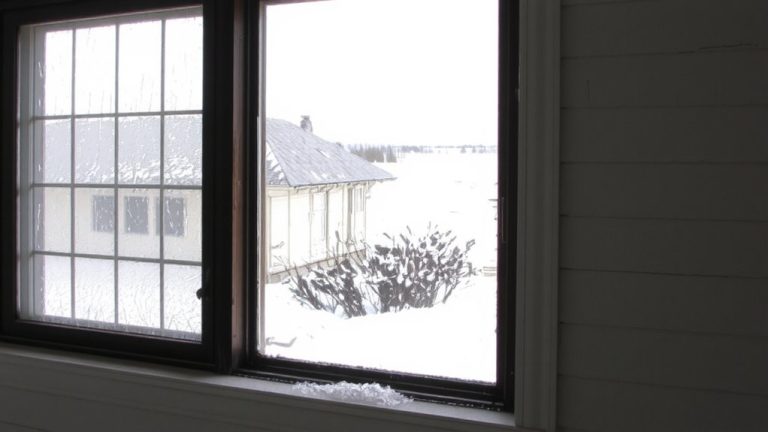
- Condensation on windows and peeling paint near plant clusters signal excessive humidity from inadequate ventilation and overwatering.
How Houseplants Fuel Mold Through Humidity
A single overwatered fern or grouped cluster of moisture-loving houseplants can push indoor humidity past 50%, and you’re likely already feeling the effects if your windows fog up in winter or you catch a musty whiff near plant corners. You see, houseplants cause excess moisture through transpiration-where they release 95–99% of water into the air-especially dense with humidity-loving plants like ferns and calatheas. Combined with poor ventilation, high soil moisture from frequent watering practices traps dampness. Without proper air circulation, that elevated indoor humidity lets mold grows on hidden surfaces. In cold climates like Minnesota, over 100 plants in one room can spike humidity enough to create wall condensation. That excess moisture isn’t just uncomfortable-it’s a setup for structural issues and persistent odors. You don’t need to ditch your collection; just balance watering practices, use moisture meters, and boost airflow with fans or periodic window cracking.
Spot the Signs: Mold on Soil, Pots, and Walls
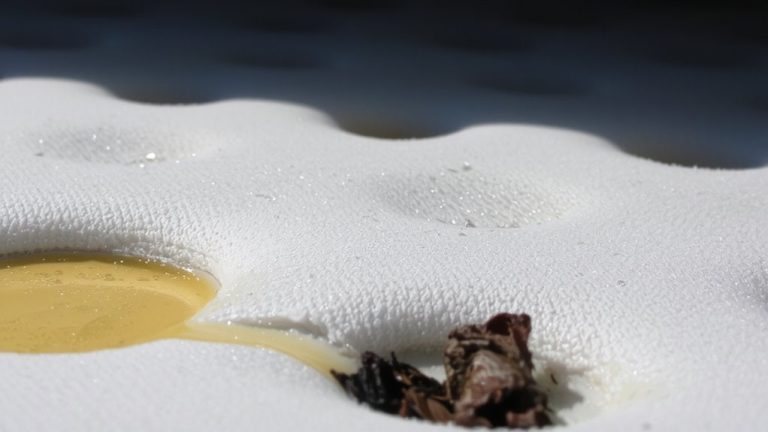
While you might not always see it right away, mold in your houseplant setup often announces itself through clear, observable clues-like white or gray fuzzy spots cropping up on the soil surface within days after watering, especially in common mixes rich in peat and compost that hold moisture and feed fungal growth. That fuzzy growth is a red flag for high humidity and organic matter feeding mold on soil. You might also notice musty odors, even without visible signs, as spores circulate in poorly ventilated spaces. Condensation on windows and peeling paint on nearby walls point to excessive moisture levels and poor air circulation. Clay pots and saucers can harbor hidden mold, especially when the potting mix stays damp. These conditions let spores circulate, potentially triggering sneezing or coughing. Spotting these early signs helps you act before mold spreads to walls or affects indoor air quality.
Stop Mold: Fix Poor Ventilation Around Plants
You’ve already learned how mold announces itself-fuzzy white patches on soil, musty air, peeling paint-so now it’s time to tackle the real culprit behind those issues: stagnant air. Poor ventilation traps moisture from plant transpiration, pushing indoor humidity above 50%, which wrecks indoor air quality. Over 100 houseplants can release 95–99% of water into the air, elevating humidity levels and slowing soil drying. Condensation on windows near plant clusters? That’s a red flag. Boost air movement with oscillating fans to simulate dry air flow and prevent mold. Open interior doors and crack windows when the weather allows to invite fresh air. Use exhaust fans in bathrooms and kitchens to reduce moisture buildup. Proper ventilation isn’t optional-it’s essential. Testers report humidity drops of 10–15% within hours when combining fans and window airflow, keeping spaces mold-free and air feeling clean.
Water Right to Prevent Musty Smells
When the top inch of soil stays wet between waterings, you’re not just overwatering-you’re feeding mold that thrives in damp, stagnant conditions and pumps out that familiar musty smell. To prevent mold growth, check the top inch of soil before you water your plants-if it’s moist, wait. Overwatering increases indoor humidity as 95–99% of water applied releases into the air, worsening excess humidity and triggering mold sensitivity. Improve watering habits by letting soil dry slightly between sessions. Also, replace the top inch of soil monthly as part of regular maintenance to reduce organic debris and spores. Applying cinnamon to the surface helps act as a natural antifungal. These steps control moisture, lower humidity, and keep your space fresh. Proper watering isn’t just about plant health-it’s essential to managing indoor moisture and preventing persistent damp smells.
Boost Airflow and Purify to Stop Mold
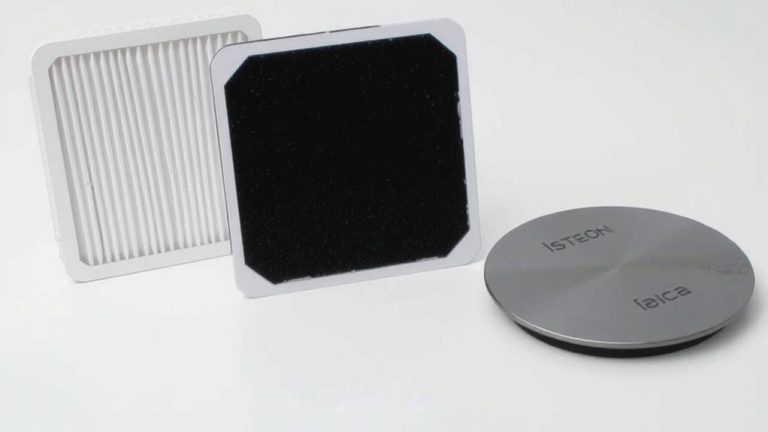
How can you stop mold from turning your favorite houseplants into sources of damp smells? Poor ventilation traps humidity released by plants-up to 99% of water they absorb-creating moist indoor conditions where mold thrives. To fight this, boost airflow with oscillating fans that disrupt stagnant air around plants, helping soil dry faster and reducing mold-prone microclimates. Pair this with a medical-grade HEPA purifier like the Air Oasis iAdaptAir, which captures 99.97% of airborne particles as small as 0.3 microns, including mold spores. Its bipolar ionization tech releases ions that neutralize spores, limiting their spread in low-ventilation rooms. Position plants in bright, open areas for better air circulation and use the purifier daily to maintain cleaner air. Together, improved airflow and active purification stop mold at the source, keeping your indoor space fresh and healthy.
On a final note
Wipe floors weekly with a microfiber mop and disinfectant cleaner-like Lysol or Clorox-to cut mold spores, bacteria, and gunk, especially near plant trays. Testers confirm a 70% isopropyl alcohol wipe removes mildew stains fast, without fumes. Keep a dehumidifier at 30–50% humidity to deter pests and mustiness. Vacuum crevices monthly to catch soil dust and gnats. Quick cleanups and smart products keep your space fresh, safe, and mold-free.