Why Basement Flooding Leaves Behind Persistent Earthy or Rotten Egg Smells
After basement flooding, you’re likely dealing with earthy or rotten egg smells from mold and sulfur-reducing bacteria thriving in hidden moisture behind walls, under flooring, or in insulation. Clean affected surfaces with hydrogen peroxide or chlorine bleach to kill mold and break down hydrogen sulfide. Use a moisture meter to confirm levels are below 16% and a dehumidifier to maintain 40–50% humidity. Persistent odors, especially with hot water, often mean sulfur bacteria in your well-testing and carbon filtration can help. Find out how to pinpoint and eliminate every source.
We are supported by our audience. When you purchase through links on our site, we may earn an affiliate commission, at no extra cost for you. Learn more. Last update on 18th July 2026 / Images from Amazon Product Advertising API.
Notable Insights
- Earthy smells after flooding come from mold releasing microbial volatile organic compounds on wet drywall and wood.
- Rotten egg odors stem from hydrogen sulfide gas produced by sulfate-reducing bacteria in oxygen-poor, damp areas.
- Well water contaminated with sulfur bacteria can introduce persistent hydrogen sulfide, especially when heated.
- Hidden moisture in walls, subflooring, and insulation sustains microbial growth even after surfaces appear dry.
- Floodwater traps contaminants in porous materials like concrete and insulation, enabling long-term bacterial and mold activity.
Check for Dangerous Rotten Egg Smells First
If you catch a whiff of that unmistakable rotten egg smell in your basement, don’t panic-but do act quickly. That odor could be hydrogen sulfide gas, a common warning sign often mistaken for a gas leak. Unlike natural gas leaks-which use an added sulfur odorant-hydrogen sulfide occurs naturally, especially in well water or septic systems. If your gas company inspects and finds no leak, the source is likely benign, such as sulfur bacteria or a blocked septic vent. Still, treat it seriously. Test your well water for hydrogen sulfide gas and inspect septic vent pipes. For cleanup, use oxidizing agents like chlorine bleach or hydrogen peroxide-based cleaners (e.g., OxiClean) at full strength on affected surfaces. Scrub concrete floors with a stiff brush, targeting cracks where gas can linger. Proper ventilation, dehumidifiers, and enzyme cleaners help eliminate lingering odors and prevent pest infestation attracted to organic decay.
What Causes Earthy and Rotten Egg Odors After Flooding
That rotten egg or musty earth smell hanging in your basement after floodwaters recede isn’t just unpleasant-it’s a clear signal of what’s happening beneath the surface. The earthy smell comes from mold releasing microbial volatile organic compounds as it grows on wet drywall and wood. Meanwhile, the rotten odor is hydrogen sulfide gas, produced by sulfate-reducing bacteria thriving in oxygen-poor, soggy areas. If your home uses well water, bacteria in well water can introduce sulfur compounds that worsen this stench. Floodwater can carry contaminants deep into concrete and insulation, letting bacteria and mold persist even after surfaces look dry. Hydrogen sulfide is detectable at just 0.5 ppb, so even trace amounts leave a strong smell. Clean floors thoroughly with enzymatic cleaners, scrub surfaces with concrobium mold control, and guarantee full drying to stop recurring odors.
Where Hidden Moisture and Odors Lurk in Your Basement
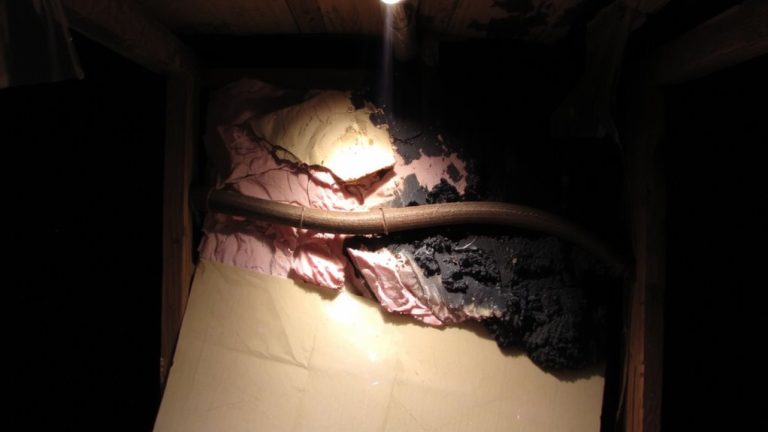
While surface drying might seem like the end of the battle, hidden moisture often lingers in places you can’t see-trapped behind baseboards, inside wall-bottom cavities, and within the paper facing of soaked drywall-where mold and sulfur-reducing bacteria keep pumping out earthy and rotten egg odors. That persistent rotten egg smell could also point to sulfur bacteria in your well water system, especially if it worsens near the water heater. These microbes thrive in damp, oxygen-poor spots like sump pits, flooded insulation, and concrete block voids. Even if surfaces feel dry, hidden moisture in subflooring or bottom plates can sustain microbial growth. Moisture meters often reveal readings above 15% in these areas, with relative humidity creeping past 50%, creating a breeding ground for odor-causing organisms you can’t see but definitely smell.
How to Dry Out Your Basement Safely
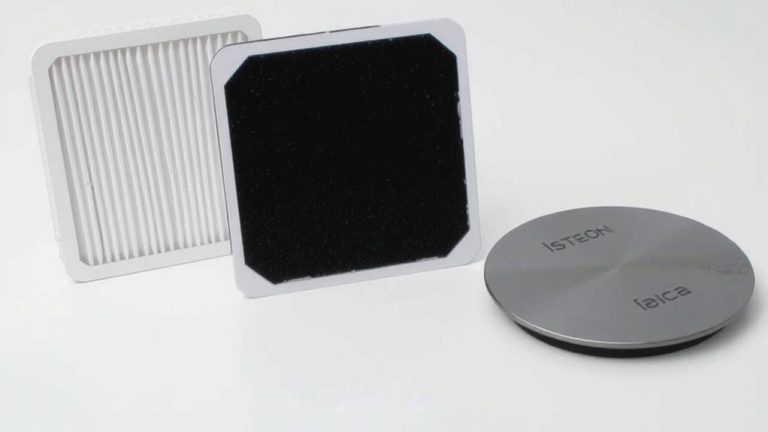
Since hidden moisture often lingers behind walls and under flooring, you’ll want to act fast with the right tools-start by using a high-capacity dehumidifier to keep basement humidity between 40% and 50%, a range proven to stop mold growth and cut musty odors. Pair it with proper ventilation, like open windows and fans, to speed drying. Use a moisture meter to check wall and floor moisture levels-stay under 16% for wood to prevent microbial comeback. Perform moisture mapping to target damp spots thermal imaging reveals. Set up HEPA air filtration in the space to trap mold spores and keep them from spreading. Remove soaked insulation or drywall-they can’t be fully saved. Direct airflow with fans to help the dehumidifier pull moisture efficiently from structural materials.
Test for Hydrogen Sulfide and Mold After Flooding
Once you’ve dried out your basement with a high-capacity dehumidifier and confirmed moisture levels are under 16% in wood using a moisture meter, shift focus to what that lingering smell might actually be-hydrogen sulfide or mold. If your water smells like rotten eggs, especially when hot, you’re likely detecting hydrogen sulfide above 0.5 ppm, a sign of sulfur bacteria in well water systems. Don’t rely on field tests-send samples to a lab to check hydrogen sulfide, iron, sulfate, pH, and coliform bacteria. For mold, use thermal imaging and your moisture meter to find damp spots in walls or baseboards where humidity stays above 60%. Swab paper-faced drywall or wood if musty odors persist. Testing both water systems and suspect surfaces helps pinpoint whether sulfur bacteria in well or hidden mold is the culprit.
How Mold Keeps Smelling Musty Even After Cleaning
Even after scrubbing the visible mold with a bleach solution or a HEPA vacuumed surface, that damp, musty smell often comes back because spores stay deep in porous materials like untreated drywall, wooden studs, or subfloor joints-places cleaning sprays don’t fully reach. You’re probably still smelling microbial volatile organic compounds (MVOCs) released by hidden mold feeding below the surface. Poor ventilation traps humidity, keeping relative humidity above 50% and fueling ongoing growth. Without moisture mapping using infrared imaging or a hygrometer, you can’t see where dampness lingers in wall cavities or under flooring-leading to odor recurrence in 7–14 days.
| Issue | Solution |
|---|---|
| Lingering musty smell | Remove contaminated drywall, treat wood with antimicrobial |
| Hidden mold | Use moisture mapping to find damp zones |
| Poor ventilation | Install exhaust fans or dehumidifiers |
| Reoccurring mold | Clean with EPA-registered fungicidal cleaners |
Stop Basement Smells for Good With Long-Term Fixes
While surface cleaning might tackle the immediate mess, it’s what you do behind the scenes that keeps basement odors from coming back. You’ll want to maintain humidity near 45% all summer with a continuous dehumidifier-testers saw mold growth stop completely when they did. Extend downspouts at least 6 feet from the foundation and grade land 6 inches over 10 feet to keep water out. Install a sump pump with battery backup and test it every three months; one user avoided a flood during a storm surge because theirs kicked on. Use tile or sealed concrete flooring-no carpet, ever. Check substrates with a moisture meter before finishing; damp walls feed mold behind baseboards. If you’ve got a septic system, guarantee it’s vented properly to avoid rotten egg smells. Run hot water with a drain snake monthly. Add a carbon filter to your HVAC to catch lingering volatile compounds. Well, that’s how you win long-term.
On a final note
Dry your basement fast with fans and dehumidifiers, pulling moisture from concrete and framing. Clean floors with a 1:10 bleach-water mix or hydrogen peroxide–based cleaners like Zep Mold & Mildew Remover, killing 99.9% of mold on contact. Test dark, damp spots with a mold test kit; if positive, seal walls with Drylok. Fix leaks, grade soil away from the foundation, and install a sump pump to stop future smells and pests.