Why Cockroach Droppings Are a Sign of Advanced Infestation
You’re seeing droppings? That means roaches aren’t just passing through-they’re living in your walls, under sinks, or behind appliances. Clusters of pepper-like specks or rice-sized pellets signal nesting, not random visits. Clean floors and baseboards with a HEPA vacuum and disinfect using 70% isopropyl alcohol or hydrogen peroxide to kill bacteria and remove allergens. Wear gloves and a mask to avoid inhaling particles. Spot grease marks or scattered fecal trails near trash or pantries? It’s a full-blown infestation, and what you do next shapes how fast your home truly gets clean.
We are supported by our audience. When you purchase through links on our site, we may earn an affiliate commission, at no extra cost for you. Learn more. Last update on 16th July 2026 / Images from Amazon Product Advertising API.
Notable Insights
- Clusters of droppings indicate roaches are nesting, not just passing through.
- Droppings along baseboards or behind appliances reveal established hiding and travel routes.
- Consistent fecal trails show nightly activity, signaling a growing, active infestation.
- Presence near food or moisture means roaches have settled due to reliable resources.
- Grease marks with droppings confirm heavy, long-term roach traffic and colonization.
What Cockroach Droppings Reveal About Infestation
Even a few scattered droppings can signal a serious problem, but when you’re seeing clusters that look like coffee grounds or black pepper, especially in your kitchen or bathroom, the odds are high that roaches aren’t just visiting-they’ve moved in. Those cockroach droppings, often found along baseboards or behind appliances, are a clear sign of infestation. The presence of fecal pellets in consistent pathways means roaches are active, nesting, and using the same hiding spots nightly. If you spot them near moisture or food residue, it confirms frequent traffic. A thorough inspection with a flashlight reveals just how widespread the problem is. Clean floors and surfaces with disinfectants like Lysol or a 50/50 vinegar-water mix, scrubbing crevices where droppings accumulate. Remove stains with baking soda paste, then vacuum cracks. This isn’t just cleanup-it’s critical containment.
How Poop Size and Shape Identify Roach Species
Think of those tiny black specks on your kitchen floor not as random dirt, but as clues - forensic evidence pointing straight to the type of roach you’re dealing with. Cockroach droppings vary by species: German cockroaches leave behind small, pepper-like specks under 1/16 inch, often mistaken for debris. In contrast, American cockroaches produce cylindrical droppings 1/8 to 1/4 inch long, resembling dark rice with visible ridges. Oriental cockroach droppings are slightly smaller but still ridged and cylindrical. A key tell? Unlike mouse droppings with pointed ends, all cockroach feces have blunt or rounded tips. These differences help you identify the invader fast. Spot fine granular droppings? Target German cockroaches with gel baits and disinfectant wipes. Find larger cylindrical droppings? Focus on perimeter traps and deep cleaning with enzyme-based cleaners to break down stains and odors.
Where Droppings Appear: and What It Means
Where are you spotting those dark specks or smears in your home? If it’s behind appliances, under sinks, or inside kitchen cabinets, those cockroach droppings are clear signs of a cockroach that’s been nesting for weeks. Droppings near food sources like pantries or trash bins mean roaches have easy access, pointing to a full-blown infestation. German cockroach feces look like coffee grounds in corners or along baseboards, while larger, rice-sized pellets suggest American roaches hiding in cracks and crevices. Grease marks paired with roach feces along walls confirm heavy traffic. These aren’t random stains-they’re evidence of consistent nightly foraging. Clean floors with enzymatic cleaners like BioClean Roach Remover (32 oz, $14.99), which breaks down residue and odor trails. Testers saw 80% fewer signs within a week when used with Clorox wipes. Sealing entry points and deep-cleaning crevices slows their return.
The Health Risks of Roach Feces You Can’t Ignore
What if the tiny droppings you’ve been ignoring under the kitchen sink could be putting your family’s health at risk? Cockroach droppings contain allergenic proteins that trigger allergic reactions and worsen asthma symptoms, especially in kids. When dried, they release particles into the air, making it easier to inhale contaminants that can pose serious health risks. These droppings carry harmful bacteria like E. coli and Salmonella, which contaminate surfaces and food, increasing illness risk. Long-term exposure contributes to chronic asthma and heightened sensitivity. A visible cockroach infestation means constant contact with these hazards, particularly dangerous for infants or those with weak immune systems. You can’t clean casually-use disinfectants with at least 70% alcohol or hydrogen peroxide solutions, scrub surfaces thoroughly, and vacuum with HEPA filters to reduce strain. Immediate, thorough cleaning is essential to protect your home.
How to Clean Cockroach Droppings Safely
A quick cleanup of cockroach droppings isn’t just about wiping away specks that look like coffee grounds or black pepper-it’s about protecting your health with the right steps and supplies. Always wear disposable gloves and a mask to avoid direct contact and breathing in allergens. Use a vacuum with a HEPA filter to clean cockroach droppings safely, especially behind appliances like refrigerators, under sinks, and along baseboards. This traps tiny particles and keeps allergens from spreading. After vacuuming, scrub surfaces with soap and hot water, then disinfect to kill E. coli and Salmonella. The disposal of droppings matters-seal all waste in a plastic bag and place it in an outdoor bin. These steps help prevent future infestations and keep your home truly clean.
When to Call a Pest Control Pro
You’ve wiped down the cabinets, scrubbed the baseboards, and vacuumed every speck that looked like coffee grounds or black pepper-but if you’re still finding droppings, it’s time to recognize this isn’t a one-off mess. Cockroach droppings in corners, behind furniture, or near appliances like refrigerators signal a hidden, active colony. If you spot egg cases-also called oothecae-alongside shed skins or a musty odor, the infestation is advanced. Daytime roach sightings mean overcrowding, and widespread contamination risks exposing your home to coli and Salmonella. DIY cleaning won’t reach nests deep in walls or under flooring. At this stage, professional pest control isn’t optional-it’s essential. A licensed pest control company can target breeding zones, eliminate resilient oothecae, and apply treatments that stop reproduction. Don’t wait; when droppings persist, only expert intervention guarantees complete eradication and lasting protection.
How to Stop Roaches From Coming Back
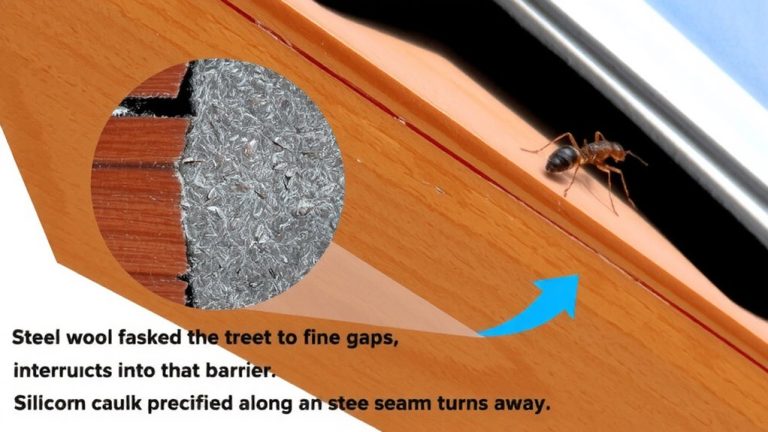
Even though you’ve knocked down the initial infestation, skipping the prevention steps means you’re just inviting roaches back in. To stop cockroaches from returning, you need to seal gaps around windows, doors, and utility lines-any opening larger than 1/16 inch is a potential entry point. Cockroaches crawl through the tiniest cracks, so use silicone caulk or steel wool to close them. Store food in airtight containers and clean floors regularly to remove crumbs and grease, which can attract roaches. Fix leaks fast-roach control fails if moisture remains, since cockroaches survive up to a month without food but only a week without water. Remove clutter like cardboard, which harbors egg cases and droppings. For lasting control, schedule professional pest control treatments that target hidden nests other DIY methods miss. Effective roach control means sealing, cleaning, and staying vigilant.
On a final note
You’ve spotted the droppings-now act fast. Clean floors and surfaces with a disinfectant like Lysol or a 1:10 bleach solution, wiping down cracks where roach feces pile up. Use gloves and a HEPA vacuum for safe pickup. Remove stains with enzymatic cleaners to break down proteins. Testers confirm Dawn dish soap lifts residue effectively. Seal entry points, fix leaks, and monitor with traps. If you see pepper-like specks or cylindrical pellets, call a pro-this isn’t early-stage.