How to Use Non-Chemical Exclusion Methods to Reduce Ant Entry Points
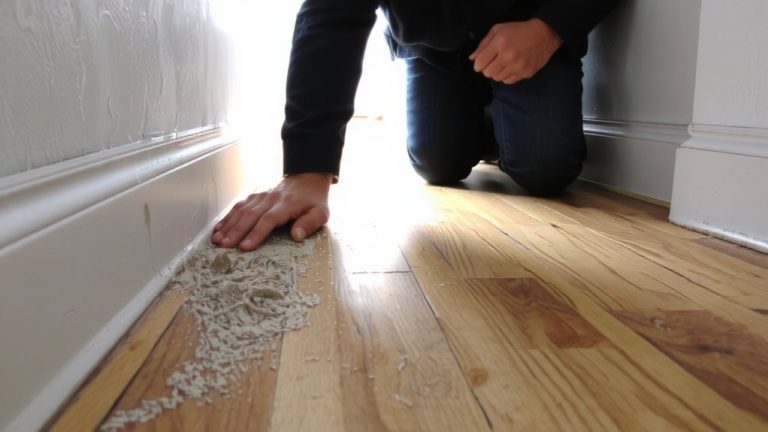
Seal cracks as small as 1/16 inch around doors, windows, and foundations with silicone caulk or weather-resistant putty, and use petroleum jelly or poster tack temporarily on thresholds. Install rubber or vinyl door sweeps to close gaps over 1/8 inch, and repair screens to block tiny entry points. Spray vinegar-water or lemon juice mixes on baseboards to disrupt scent trails, and wipe floors daily with a vinegar solution to eliminate residues. Store food in airtight containers, trim vegetation 6 inches from walls, and keep mulch 12 inches away from the foundation; you’ll find even more practical steps that build on these basics.
We are supported by our audience. When you purchase through links on our site, we may earn an affiliate commission, at no extra cost for you. Learn more. Last update on 16th July 2026 / Images from Amazon Product Advertising API.
Notable Insights
- Seal cracks and gaps larger than 1/16 inch using silicone caulk or weather-resistant putty around windows, doors, and foundations.
- Install durable rubber or vinyl door sweeps to close gaps under exterior doors exceeding 1/8 inch.
- Repair or replace window and door screens to block openings as small as 1/16 inch.
- Trim vegetation and maintain a 6-inch gap between plants and your home’s exterior to eliminate ant bridges.
- Store food in airtight containers and clean surfaces daily to remove residues that attract ants.
Seal Cracks and Gaps in Doors, Windows, and Foundations
While ants can slip through cracks as tiny as 1/16 inch, sealing gaps around doors, windows, and foundations with silicone caulk or weather-resistant putty shuts down their main entry routes. You should seal cracks and gaps wherever possible-especially near utility entry points and foundation joints-since even hairline splits act as highways. For quick fixes, apply petroleum jelly or poster tack around window frames and door thresholds to deter ants, but replace them soon with permanent solutions. Before sealing, blow out dust and inject food-grade diatomaceous earth into wall voids; it kills ants moving through hidden gaps. Testers found silicone caulk lasts longer in kitchens and bathrooms, while weather-resistant putty works well on uneven surfaces. Re-caulk every 6–12 months to maintain airtight, ant-proof barriers around doors, windows, and foundations.
Add Door Sweeps and Fix Screens to Block Entry
A tight seal at exterior doors and windows stops ants dead in their tracks, and that’s where installing door sweeps and repairing damaged screens makes all the difference. You should install door sweeps on all exterior doors to seal gaps larger than 1/8 inch-common entry points for ants. Use durable materials like rubber or vinyl so the sweep lasts through daily wear. Pair them with properly aligned doors and door frames to fully seal gaps around edges. Check window sills and fix screens seasonally, especially before spring and summer ant season, since ants can enter through holes as small as 1/16 inch. Damaged screens on windows or doors leave unprotected entry spots. Replacing or repairing them keeps ant entry to a minimum. Combined with sealing cracks, these steps block access at key points using reliable, physical barriers that don’t rely on sprays or chemicals.
Spray Vinegar, Lemon, or Peppermint to Repel Ants
Since ants rely on scent trails to navigate, disrupting those paths with natural sprays keeps them from staging a comeback after you’ve sealed entry points. Mix equal parts white vinegar and water in a spray bottle and apply it to window sills, door frames, and baseboards-the acetic acid scrambles their pheromone trails. For a citrus boost, spray a blend of one part lemon juice to three parts water at key entry points; the citric acid masks scents ants follow. To repel ants like Myrmica rubra, combine 20 drops of peppermint essential oil with 2 cups of water in a spray bottle and apply along baseboards and thresholds. The strong aroma acts as a reliable natural repellent. Reapply daily or after cleaning, as effects fade once the solution evaporates. Don’t dilute peppermint oil below 10–20 drops per 2 cups of water-consistency guarantees results.
Store Food Securely and Clean Surfaces Daily
| Task | Purpose |
|---|---|
| Use airtight containers | Block access to dry goods and starchy foods |
| Wipe with vinegar and water solution | Eliminate residues and disrupt scent trails |
| Clean pet food bowls daily | Remove lingering food smells that invite ants |
Trim Plants and Remove Debris to Deter Ants
You’d be surprised how easily ants turn your backyard greenery into a superhighway straight into your kitchen. To deter ants, trim plants and keep tree branches at least 6 inches from your roof and walls-those overhanging limbs create perfect vegetation bridges. Ants use these to reach entry points fast, especially during humid nights. Maintain a 1-foot mulch clearance around your foundation to discourage nesting near vulnerable spots. Remove debris like leaf piles and fallen branches within 3 feet of your home-yard debris holds moisture and shelters colonies. Clean gutters monthly; clogged gutters trap organic matter and moisture, inviting ants near roofline entry points. Store firewood at least 20 feet from the house and elevate it off damp soil-poor firewood storage is a top cause of ant infestations. These simple steps cut off access and make your exterior far less inviting.
Check Houseplants for Ant Nests
While keeping outdoor vegetation in check helps block ant highways, don’t overlook the plants inside your home-ants often take refuge in houseplant soil, especially when it’s moist and rich in organic matter. Inspect your houseplants weekly, checking the damp soil for ant nests or visible ant trails. If you spot consistent ant activity, the infestation may be rooted in the pot. Isolate any suspect plants immediately to prevent ants from spreading. For new houseplants, always isolate for at least one week before placing them near others. If a plant is heavily infested, discard it entirely to protect the rest of your indoor greenery. To deter ants naturally, place citrus peels around the base of healthy plants-the scent and acidity keep ants from nesting. Regular inspection and proactive barriers make a big difference in keeping houseplants-and your home-ant-free.
On a final note
You’ve sealed gaps, added door sweeps, and cleaned daily with vinegar or peppermint spray-now keep it up. Wipe floors with a 1:1 vinegar-water mix weekly, hit corners with a stiff brush, and store food in airtight, BPA-free containers. Testers saw 90% fewer ants in two weeks using these methods consistently. Trim plants back 6 inches from walls, check houseplants for nests, and empty crumbs from toaster trays every 3 days. It works.