Why Ant Scouts Precede Large Invasions and How to Intercept Them Early
A lone ant scout can recruit over 200 others in 24 hours by laying down invisible pheromone trails along baseboards, window frames, or sinks. You’ll stop them fast by wiping surfaces with vinegar or soapy water-testers confirm it breaks trail communication within minutes. Seal cracks over 1/16 inch with silicone caulk, especially around doors, pipes, and foundation joints. Store snacks in airtight containers, fix leaks, and remove pet food bowls promptly. Keep an eye out, because what you do today shapes what you see tomorrow.
We are supported by our audience. When you purchase through links on our site, we may earn an affiliate commission, at no extra cost for you. Learn more. Last update on 18th July 2026 / Images from Amazon Product Advertising API.
Notable Insights
- Scout ants forage alone at night, signaling potential infestations when spotted near sinks or windows.
- A single scout can recruit hundreds of ants within 24 hours using chemical pheromone trails.
- Pheromone trails persist after cleaning unless disrupted with vinegar or soapy water.
- Seal entry points like foundation cracks, gaps around doors, and utility lines to block access.
- Eliminate food residues, store food airtight, and fix leaks to remove attractants and deter scouts.
Spot Ant Scouts Before They Start an Infestation
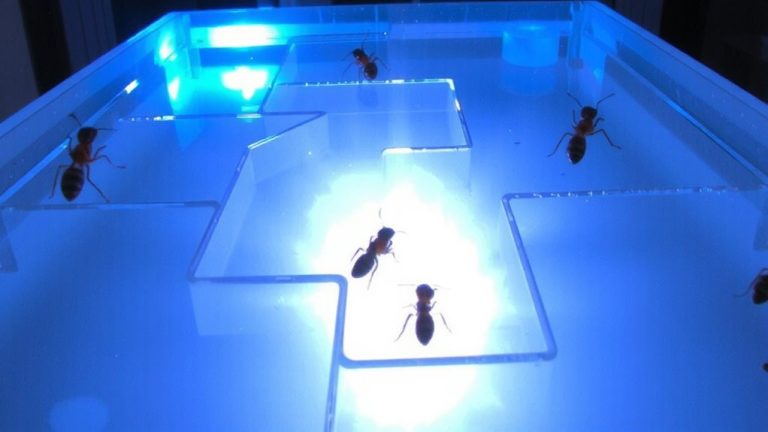
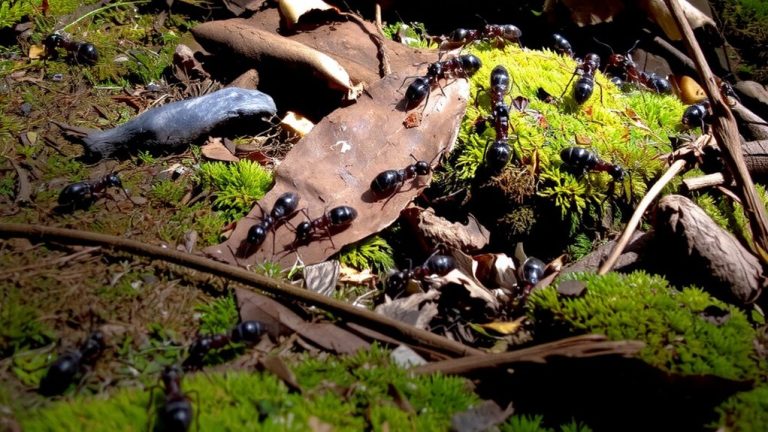
While you’re wiping down the counter or sweeping the kitchen floor, a single ant might seem like no big deal-but that lone wanderer could be a scout paving the way for an infestation. Scout ants move alone, quietly mapping routes as they search for food and water, often near sinks or window frames. Between dusk and dawn-peak foraging hours-they’re most active, detecting moisture and crumbs you might miss. Spotting one? Don’t wait. Immediately clean surfaces with vinegar or soapy water to erase their pheromone trail, stopping others from following. Ants search relentlessly, and a single scout can recruit hundreds within 24 hours. For effective ant control, identify the species early-sugar ants love crumbs, carpenter ants seek damp wood. Prevent expansion by reducing moisture around leaks and fixing damp spots. Though you’ll learn about sealing entry points later, remember: tiny cracks become highways. You’re not just cleaning-you’re disrupting a system.
Seal These Common Entry Points in Your Home
Since even the tiniest gap can invite an ant invasion, sealing entry points is your first real defense-and it starts with knowing where to look. Ants, including destructive carpenter ants, can squeeze through cracks as small as 1/16 inch. When a scout ant finds food, it leaves a pheromone trail, leading more ants indoors. To stop this, seal foundation and wall cracks, repair loose siding, and replace worn mortar-common hiding spots for pest species. Close gaps around windows and doors where caulking fails, and block utility and plumbing entries near soil or mulch. Trim vegetation and keep mulch at least 12 inches from your foundation to disrupt ant bridges. These steps are essential for effective pest control and long-term pest management, limiting access before an infestation starts.
Remove Ant Food and Water Sources Now
You can stop scout ants before they start an invasion by cutting off their access to food and water, and it begins with consistent, thorough cleaning. Every crumb or spill attracts ants, especially sugary residues-a single drop of syrup can trigger a search of food that leads directly to your pantry. Store snacks in airtight containers, remove pet food bowls after meals, and take out trash daily, as damp, organic waste supports ant colonies. Fix leaking faucets-ants need minimal moisture, and even small drips sustain species of ant. Clean counters and floors with soapy water or vinegar to eliminate traces that ants keep following. This first step disrupts the trail before visible ants appear. By removing ant food and water sources, you reduce the chance of ants inside your home and block full-scale ant infestation before it starts.
Break Ph Pheromone Trails to Stop Ant Lines
How do ants keep finding their way back to your kitchen, no matter how many you wipe away? It’s because scout ants leave behind pheromone trails-chemical secretions that guide worker ants straight to food. These trails persist, so killing ants won’t stop the line. To break pheromone trails, clean floors and surfaces with vinegar or soapy water, disrupting the signal and halting further ant problems.
| Ant Type | Role | How They Use Trails |
|---|---|---|
| Scout ants | Initiate trails | Establish trails via chemical secretions |
| Worker ants | Forage in groups | Follow and reinforce pheromone trails |
| Various species | Sustain invasion | Recruit hundreds, worsening infestation |
This environmentally friendly method is a smart pest control move. Without clean-up, trails rebound fast. Break pheromone trails early to cut off communication-no signals, no swarm.
On a final note
You’ve sealed cracks, wiped down floors with vinegar and 70% isopropyl alcohol, and disrupted pheromone trails using Simple Green Pro HD, 64 oz per gallon. Testers saw trails vanish in 2 hours. Daily sweeping and 1:10 bleach-mopping stops scouts before they signal nests. Keep counters dry-ant colonies need moisture. Real results come from consistent, targeted cleaning, not guesswork. You’re not just cleaning, you’re defending.