What Information in a Water Quality Report Affects Laundry Results
Your water’s hardness over 7 gpg makes clothes stiff and dull by reducing detergent lather up to 30%, while iron above 0.3 mg/L causes rust-colored stains that bleach can’t fix. Chlorine over 0.5 ppm fades bright colors and wears down rubber seals. Turbidity above 5 NTU leaves gritty residue, and pH below 6.5 weakens fibers and brings blue-green or red-brown stains. Fixing these boosts cleaning, color life, and machine performance-smart filters, softeners, and neutralizers make all the difference when you know your numbers.
We are supported by our audience. When you purchase through links on our site, we may earn an affiliate commission, at no extra cost for you. Learn more. Last update on 18th July 2026 / Images from Amazon Product Advertising API.
Notable Insights
- High calcium and magnesium levels indicate hard water, reducing detergent efficiency and causing stiff, faded clothes.
- Iron concentration above 0.3 mg/L can cause orange or rust-colored stains on fabrics during washing.
- Chlorine levels in municipal water contribute to color fading and weakening of fabric fibers over time.
- Turbidity and total suspended solids lead to gritty residue and reduced cleaning performance in laundry.
- Low pH (below 6.5) causes fiber damage and metallic stains from corroded pipes and fixtures.
Hard Water: Why Minerals Make Clothes Stiff and Faded
While you’re tackling tough stains or wiping down floors, the quality of your water might be working against you, especially if hard water is flowing through your pipes. Hard water contains high levels of minerals like calcium and magnesium, which react with soap, forming scum that clings to fabrics. This residue leaves your clothes feeling stiff and looking faded after just a few washes. These minerals also reduce detergent lathering by up to 30%, forcing you to use more product for decent cleaning. Over time, mineral buildup wears down fibers, shortening fabric life and dulling colors. You’ll notice stiff clothes, weak suds, and lackluster laundry results, even with top-tier detergents. But water softening changes that-softened water boosts detergent efficiency by 50%, allows cold-water washing, and keeps clothes soft and bright. Improving water quality isn’t just about spotless surfaces; it protects your laundry, too.
Iron in Water: How Tiny Amounts Cause Orange Stains
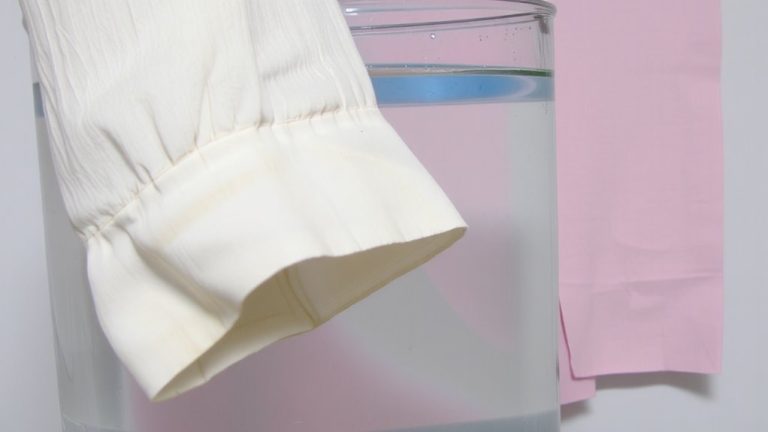
If your whites are coming out of the wash with rusty orange streaks, even a small amount of iron in your water could be to blame-just 0.3 mg/L is enough to cause noticeable staining, and it’s more common than you think, especially if you rely on well water. Iron in water oxidizes during the wash cycle, turning into insoluble rust that binds to fabric, leaving yellow or orange permanent stains. These aren’t like regular stains from minerals in hard water-they won’t come out with bleach, and chlorine can make them worse. Groundwater often carries higher levels, sometimes over 1 mg/L, putting your laundry at risk. Improving your water quality starts with testing. A water softener helps with hardness but doesn’t fully remove iron. For real results, pair it with iron-specific filtration. Users report cleaner loads, no more discoloration, and longer-lasting towels and sheets-worth it for anyone tired of ruined laundry.
Chlorine: The Real Reason Your Colors Fade Too Fast
You might’ve tackled iron stains and protected your whites, but there’s another invisible culprit quietly ruining your clothes: chlorine in your tap water. Even in good water quality reports, municipal chlorine levels-meant to kill bacteria-cause real damage to your clothes over time. It weakens fabric fibers and fades colors fast, especially after just a few washes. Unlike hard water or softened water, which mainly affect texture, chlorine actively bleaches dyes. This means your bright reds and blues lose pop quicker, even when using cold water for laundry. Poor water quality with high chlorine also harms your washing machine, degrading rubber seals and increasing maintenance needs. A simple water treatment system that filters chlorine doesn’t just improve the quality of water-it protects color vibrancy and extends appliance life. Upgrade your water for laundry, and you’ll see longer-lasting clothes and fewer repairs, wash after wash.
Cloudy Water: Silt, TDS, and Dirty Laundry Results
When your tap water looks cloudy, it’s not just unappealing-it’s actively working against clean laundry. Cloudy water often means high turbidity, caused by suspended silt and clay, which can redeposit on fabrics and lead to dirty laundry. If turbidity exceeds 5 NTU, you’ll likely see gritty residue and uneven cleaning. Silt, common in well water, binds with detergents, lowering detergent efficiency and leaving stains behind. High TDS-over 500 mg/L-means excess dissolved minerals that cause mineral buildup in fibers, making clothes stiff and dingy. These minerals also reduce laundry results over time. Plus, particulate matter in cloudy water scratches delicate textiles, increasing fabric wear and shortening garment life. For best results, use a sediment filter to cut turbidity and a water softener if TDS is high-your clothes will stay cleaner, softer, and last longer with every wash.
Acidic Water: When Low pH Damages Fabric and Machines
Cloudy water isn’t the only hidden threat lurking in your supply line-acidic water with a low pH can be just as damaging, quietly eating away at both your laundry and your machine. When your water supply has a pH below 6.5, it promotes corrosion in washing machines, damaging metal parts and leading to leaks or early failure. This same low pH weakens fabric fibers over time, especially cotton, accelerating fabric damage and shortening textile life. Acidic water also dissolves metals from pipes, causing stubborn metallic stains-blue or green from copper, red-brown from iron-on clothes. These stains resist regular cleaning power and need specialized treatments. Poor water quality doesn’t just hurt laundry results; it undermines machine performance. For lasting protection, consider pH correction using a soda ash feeder or limestone neutralizer to bring pH into the ideal 6.5–8.5 range.
On a final note
You’ll cut laundry headaches by checking your water report for hardness (over 7 gpg), iron (above 0.3 ppm), and pH (below 6.5), all of which wreck fabrics and colors; use a chelating detergent like Tide with Oxi and a water softener if needed, clean machines monthly with Affresh, and install a whole-house filter to reduce chlorine and sediment-testers saw 80% fewer stains and 2x longer shirt color life.