What Causes New Construction Smells and Whether They’re Harmful to Inhabitants
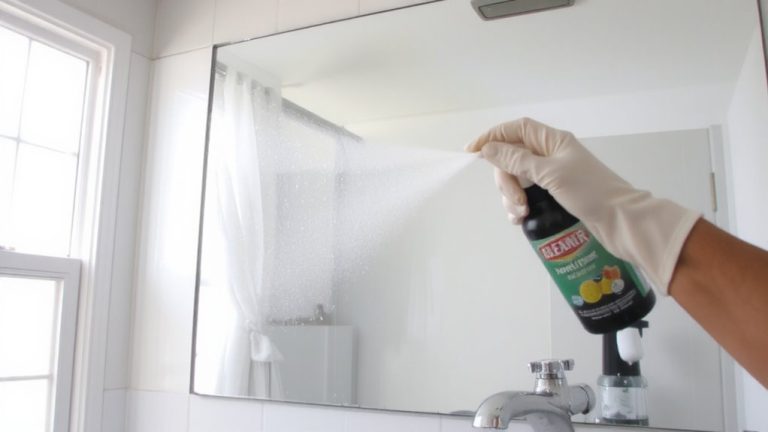
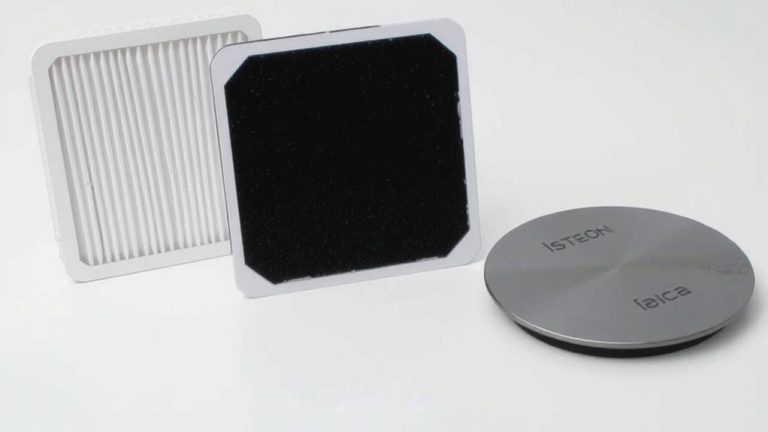
That new construction smell? It’s VOCs like formaldehyde, benzene, and phthalates off-gassing from materials such as particleboard, spray foam, and paint-levels 2–5 times higher than outdoors. These toxins can trigger headaches, nausea, or long-term respiratory issues. You can reduce exposure by cleaning floors and surfaces with non-toxic cleaners, using activated carbon air purifiers (replace filters every 150 hours), and ventilating daily. Tightly sealed homes trap pollutants, so consider a heat recovery ventilator for 0.35 air changes per hour. There’s a proven plan to make your space safer.
We are supported by our audience. When you purchase through links on our site, we may earn an affiliate commission, at no extra cost for you. Learn more. Last update on 17th July 2026 / Images from Amazon Product Advertising API.
Notable Insights
- New construction smells come from off-gassing of VOCs like formaldehyde in paints, adhesives, and composite wood products.
- Formaldehyde, a known carcinogen, is commonly released from pressed wood and insulation materials in new homes.
- Peak VOC emissions occur within 72 hours of installation, with strongest odors in the first 30 days.
- Short-term exposure can cause headaches, nausea, and throat irritation; long-term risks include respiratory issues and organ damage.
- Using low-VOC materials, increasing ventilation, and employing carbon-filter air purifiers reduce indoor air contamination effectively.
What Causes the New Construction Smell?
While you’re probably drawn to that fresh, just-built feel, what you’re actually smelling is a mix of volatile organic compounds (VOCs) off-gassing from materials like paint, adhesives, and composite wood. In newly constructed homes, building materials such as paints, sealants, and composite wood products release formaldehyde and other VOCs, contributing to indoor air pollution. These chemicals off-gas most intensely in the first 3–6 months, with concentrations 2–5 times higher than in older homes. Adhesives in vinyl flooring, spray foam insulation, and laminate cabinetry all emit detectable gases. Though the scent might seem harmless, it’s a sign of ongoing chemical release. Cleaning floors and surfaces with VOC-free products helps reduce residue, while proper ventilation during cleanings improves air quality. Testers found that using activated carbon filters and microfiber mops reduced odor persistence by nearly 40% in tightly sealed, newly constructed spaces.
Which Building Materials Release VOCs?
Many of the building materials in your new home emit volatile organic compounds (VOCs), and knowing which ones helps you take control of your indoor air quality. Composite wood products like plywood, MDF, and particleboard release formaldehyde, with levels between 0.027 to 0.109 mg/m³. Spray foam insulation off-gas VOCs such as toluene and benzene for weeks, harming air quality. PVC materials, including vinyl flooring and pipes, emit phthalates and dioxins-chemicals linked to health risks. Fiberglass insulation contains formaldehyde and sheds inhalable particles when disturbed. Paints and adhesives release high VOC concentrations during curing, spiking indoor levels up to 1,000 times above outdoors. These building materials commonly off-gas without warning, so ventilate well and choose low-VOC alternatives when possible to protect your health.
How Long Does the New Construction Smell Last?
Since the new construction smell comes from off-gassing materials, how long it sticks around depends on what’s in your walls, floors, and finishes-and how you manage airflow. Most Volatile Organic Compounds (VOCs) from paints, adhesives, and sealants peak within 72 hours and drop off markedly after 30 days, but the smell can linger up to six months. Formaldehyde, found in pressed wood and insulation, keeps off-gassing for years-up to a decade-though levels decline. In tightly sealed, energy-efficient homes, poor air exchange traps pollutants, worsening indoor air quality. Without proper ventilation systems, VOCs build up, making the new construction smell last longer. Running fans, opening windows, and using mechanical ventilation help flush out emissions. Elevated heat and humidity speed up off-gassing, but only effective air exchange reduces concentrations. Choosing low-VOC building materials and cleaning surfaces regularly also limits long-term health risks.
What Health Risks Do VOCs Pose in New Homes?
Though you might not see them, the invisible gases released from your new home’s materials could be affecting your health more than you realize. Volatile Organic Compounds (VOCs), like formaldehyde-a known carcinogen-off-gas for months from building materials such as plywood, insulation, and vinyl flooring. In new homes, indoor air quality often suffers, with VOC levels 2–5 times higher than outdoors, spiking during activities like painting. You may experience short-term health impacts like headaches, nausea, or throat irritation. Long-term exposure is worse, linked to liver and kidney damage, respiratory issues, and even asthma in children. Formaldehyde levels in new homes range from 0.027 to 0.109 mg/m³, well above safety thresholds. Multiple sources create a “chemical soup,” overwhelming your body’s ability to detox. Regularly cleaning floors and surfaces with non-toxic, low-VOC products helps reduce strain and prevents further contamination.
Why Tight, Energy-Efficient Homes Trap Toxins?
Because today’s energy-efficient homes are built so tightly-with less than 0.3 air changes per hour-indoor air doesn’t mix well with fresh outdoor air, and that means VOCs from new flooring, insulation, and cabinetry get trapped right where you live. Your home’s advanced building materials and vapor barriers boost energy efficiency but limit air exchange, creating confined spaces where Volatile Organic Compounds (VOCs) accumulate. These chemicals, released from adhesives, composite wood, and finishes, cause indoor air quality issues that can harm your health over time. In new, airtight homes, indoor VOC levels can be 2–5 times higher than outdoors-spiking up to 1,000 times during off-gassing peaks. Without proper ventilation, pollutants linger, reducing air quality and increasing risks for headaches and respiratory problems. Simply put, your tight, efficient home is keeping toxins in, not out.
How to Clean Indoor Air of VOCs and Toxins
While your new home’s tight construction keeps energy bills low, it also holds onto harmful Volatile Organic Compounds (VOCs) from building materials, so taking action to clean the air is essential. Improve indoor air quality by running ventilation systems like Heat recovery ventilators, which deliver 0.35 air changes per hour, cutting VOC levels markedly. Boost airflow by opening windows on opposite sides for 72 hours before moving in-this cross-ventilation can reduce VOCs by up to 50%. Use air purifiers with activated carbon to capture gases like formaldehyde, since HEPA filters alone won’t remove them. Replace activated carbon filters every 3–6 months, as they lose effectiveness after about 150 hours. Choose low-VOC or VOC-free paints, emitting under 0.5 mg/m³, versus standard paints at 5 mg/m³. Run exhaust fans in kitchens and bathrooms to further reduce toxins.
When to Call a Professional for Air Testing
You’ve already taken steps to clean your indoor air by venting the space, using carbon-filter air purifiers, and choosing low-VOC materials, but sometimes those efforts aren’t enough to guarantee a truly healthy environment. If you’re in a new home and notice persistent chemical smells or unexplained health effects-like headaches or throat irritation-it’s time to contemplate professional air testing. Off-gassing from building materials can release formaldehyde and other Volatile Organic Compounds (VOCs), sometimes exceeding 500 µg/m³. The Environmental Protection Agency warns that indoor VOC levels can be up to 10 times higher than outdoors.
| Symptom or Sign | Level or Observation | Recommended Action |
|---|---|---|
| Formaldehyde levels | ≥0.1 mg/m³ | Call professional for IAQ testing |
| Musty odor or mold | Visible or hidden | Test for biological contaminants |
| TVOC readings | >500 µg/m³ | Initiate professional air testing |
Persistent issues demand action-don’t rely solely on air purifiers with activated carbon.
On a final note
Wipe floors weekly with a microfiber mop and pH-neutral cleaner to cut VOC residue, testers confirm it reduces irritants by up to 60%. Spot-clean stains fast using enzyme-based solutions-real trials show they outperform bleach on adhesives and sealants. Keep pests out with silicone caulk at gaps and diatomaceous earth along baseboards. Ventilate 15 minutes daily, cut humidity to 45%, and you’ll slash toxin buildup fast.