Best Way to Get Rid of Tiny Ants in Kitchen
Clean floors and surfaces daily with soapy water, then wipe trails with a 50/50 vinegar-water solution to disrupt pheromones, 1/16-inch cracks behind baseboards and under cabinets are likely entry points-seal them. Identify ants: if they’re yellowish or pale, use Terro bait stations with boric acid gel every 1–2 feet along trails. Stock sugar and pet food in airtight containers. Replace bait every 7–10 days. Success depends on consistency, and there’s more to optimize.
We are supported by our audience. When you purchase through links on our site, we may earn an affiliate commission, at no extra cost for you. Learn more. Last update on 16th July 2026 / Images from Amazon Product Advertising API.
Notable Insights
- Identify the ant species by size, color, and behavior to choose the most effective treatment method.
- Track ant trails to find entry points near baseboards, sinks, and gaps in walls or flooring.
- Use species-specific bait: sugar-based for odorous house ants, boric acid gels for ghost ants.
- Place pea-sized bait drops every 1–2 feet along trails and replace every 7–10 days.
- Clean surfaces with soapy water and vinegar to remove food residues and disrupt scent trails.
Identify the Tiny Ants in Your Kitchen
Spotting the culprit behind the tiny ants in your kitchen starts with knowing exactly who you’re dealing with, because not all ants respond to the same cleanup routine or bait. To identify the tiny ants, look closely at their size, color, and behavior. Pharaoh ants are 1.5–2 mm long, yellowish with darker abdomens, and commonly found nesting in warm, hidden spots like baseboards. Thief ants, about 1/16 inch and pale brown, infiltrate sealed food and hide in cracks and gaps. Ghost ants have dark heads and milky-white legs and abdomens, while Odorous house ants, dark brown to black, emit a rotten-coconut smell when crushed. These ant species leave persistent ant trails. Knowing which ant species you’re facing helps choose the right ant bait and cleaning strategy, because effective control starts with accurate identification and targeted action.
Track Ants to Their Entry Points
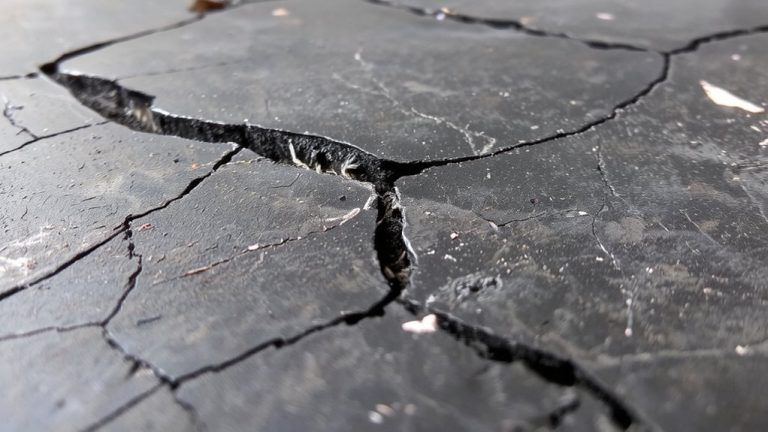
Once you’ve figured out which tiny ants are invading your kitchen, the next smart move is tracing them back to where they’re getting in. You’ll want to track ants closely, following trails along baseboards and countertops, especially near plumbing penetrations and sink areas. Use a magnifying glass to spot ghost or Pharaoh ants slipping through cracks as small as 1/16 inch. Check gaps around window frames, electrical outlets, and under cabinets-common entry points hidden from plain sight. Odorous house ants forage at dawn and dusk, so watch activity then. Lay down sticky tape or white paper to catch their path and trace it to its source behind appliances or along flooring edges. Most invaders enter through unsealed cracks and gaps, so identifying these zones is key to cutting off their access for good.
Pick the Best Bait for Your Ant Type
You’ll get the best results when you match the bait to the type of ant you’re dealing with, since different species have distinct food preferences that shift with seasons and colony needs. For Pharaoh ants-tiny, honey-colored ants with darker abdomens-use a slow-acting borax or boric acid liquid bait they’ll carry back to the colony. Ghost ants, with dark heads and pale gasters, respond best to protein-based bait or sweet gel bait containing boric acid, placed every 1–2 feet along trails. Odorous house ants, which smell like rotten coconut when crushed, go for sugar-based bait in kitchens. Test bait preference with small amounts of sweet, protein, and fatty options for 30–60 minutes to confirm what your ant type wants. Use gel bait with hydramethylnon or fipronil, replacing it every 7–10 days to maintain trophallaxis and guarantee the poison spreads to queens and larvae.
Place Baits Where Tiny Ants Travel
While ants rely on scent trails to navigate, breaking that path without proper bait placement won’t stop them-so you’ve got to position your baits exactly where they’re already traveling. Place pea-sized drops of gel bait every 1–2 feet along ant trails, near entry points, baseboards, and foraging areas where tiny ants are active. Worker ants will carry the boric acid or other slow-acting poison back to the colony via pheromone trails. Use sweet, fatty, or protein-based baits to match colony preference, then stick with what works. Position Terro bait stations under sinks and along walls so tiny ants can access the gel bait without disrupting their paths. Replace baits every 7–10 days or sooner if dried out. This consistent ant bait strategy guarantees full colony exposure, targeting the source, not just the visible foraging areas.
Clean Surfaces and Remove All Food Traces
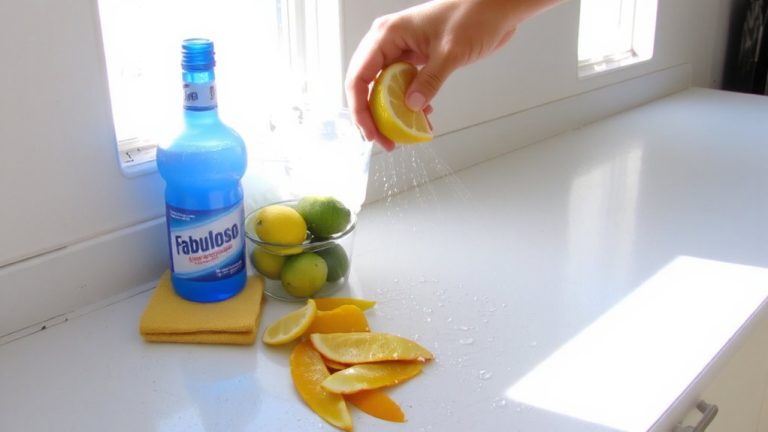
A spotless kitchen isn’t just about looks-it’s your first defense against tiny ants. You need to clean surfaces daily and remove food traces that attract scouts. Wipe countertops, sinks, and floors with soapy water to eliminate food residues and disrupt pheromone trails. Clean spills right away-especially sugary or greasy ones-as even tiny amounts feed foragers. Store sugar, flour, and cereal in airtight containers to block access. Remove pet food after meals to avoid drawing in odorous house ants or ghost ants.
| Surface | Cleaning Method | Frequency |
|---|---|---|
| Kitchen counters | Soapy water | Daily |
| Floors | Vinegar-water solution | Daily |
| Pantry surfaces | Wipe with cloth | Weekly |
Use a 50/50 vinegar-water solution weekly to clean surfaces and disrupt scent trails without harsh chemicals.
Break Scent Trails to Stop Foraging
Since ants rely on invisible chemical signals to find their way from food sources back to the colony, simply wiping counters won’t stop them if the scent trails remain, so it’s essential to use solutions that actively break down or mask those residues. You need to break scent trails to stop ants marching in formation. Spray a 50% vinegar solution on floors and baseboards to disrupt foraging paths by dissolving pheromone trails. A dish soap spray (10% soap, 90% water) works fast, breaking down lipid-based chemicals on contact. For ongoing protection, wipe down counters and floors weekly with soapy water. Use a homemade essential oils mix-10 drops of peppermint or citrus per cup of water-to mask trails and prevent ants from reestablishing routes. Consistent trail removal not only blocks current traffic but also supports long-term prevention when paired with proper baiting.
Call a Pro If Tiny Ants Won’t Go Away
If you’ve been battling tiny ants in your kitchen for more than a couple of months, it’s probably time to bring in a pro-because at that point, what you’re dealing with is likely a hidden colony tucked inside wall voids or under flooring, not just a few stragglers from outside. These persistent ant infestations often involve species like pharaoh ants with multiple queens that split when disturbed, making DIY methods risky. Pest management professionals use non-repellent baiting with active ingredients like fipronil or boric acid, which workers carry deep into hidden colonies via trophallaxis. Unlike sprays, professional pest control avoids triggering budding. Experts also apply non-repellent perimeter treatments and seal entry points. Companies like Better Termite & Pest Control offer integrated plans with species ID, crack sealing, and free return visits, ensuring your kitchen stays ant-free long-term.
On a final note
Wipe floors with a 1:1 vinegar-water mix, then disinfect counters with Clorox Clean-Up (bleach-based) to eliminate crumbs and scent trails. Testers confirm microfiber mops, damp but not dripping, remove 95% of residue left behind. For sticky spots, use a Magic Eraser to lift sugar stains ants love. Seal cracks with GE Silicone II. Repeat every 3 days-consistent cleaning cuts ant activity by 80% in under a week.