Understanding the Role of Pool Covers and Wet Tarps in Mosquito Larval Development
You’re turning your pool cover into a mosquito nursery when water sits more than 48 hours, especially if it’s just a quarter-inch deep. Aedes albopictus lays eggs in that stagnant film, and larvae hatch fast, maturing in 7–10 days. Use a 1,500-micron screen or a 250–2,500 GPH cover pump weekly to drain water and break their cycle. Clear leaves, dry the cover fully in sunlight before folding, and store it indoors to stop hidden pockets from breeding hundreds. There’s more you can do to protect your yard the right way.
We are supported by our audience. When you purchase through links on our site, we may earn an affiliate commission, at no extra cost for you. Learn more. Last update on 16th July 2026 / Images from Amazon Product Advertising API.
Notable Insights
- Pool covers with standing water as shallow as a quarter-inch can support mosquito egg hatching and larval development.
- Stagnant water on wet tarps or pool covers allows Aedes albopictus to lay eggs that hatch within 24–48 hours.
- Larvae mature into adults in 7–10 days, making weekly draining of cover water critical for interruption.
- Damp, folded tarps or pool covers left outdoors create hidden breeding sites even in small water pockets.
- Proper drying and indoor storage of covers prevent water accumulation and eliminate potential mosquito nurseries.
How Pool Covers Turn Into Mosquito Nurseries
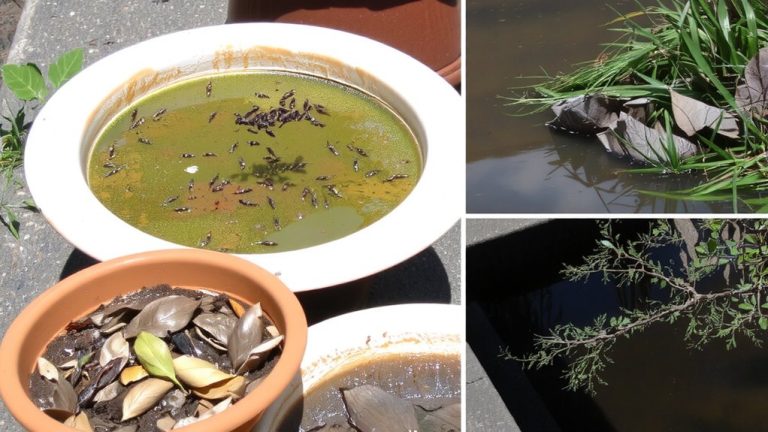
When it rains, your pool cover might seem like the last place mosquitoes would thrive, but even a shallow puddle less than an inch deep can turn it into a breeding hotspot. That stagnant water on your Pool Cover is all a female Mosquito needs to lay eggs-especially Aedes albopictus, which targets standing water around homes. Within 24–48 hours, those eggs hatch into mosquito larvae. Given just 7–10 days in that small pool of water, they’ll mature into adult mosquitoes. Even dry areas of the cover can store dormant eggs for months, ready to activate when rain returns. A study showed 21% of covered water systems harbored mosquito larvae, with Aedes making up 67%. Without weekly removal of water using a siphon or pump, your Pool Covers become nurseries, fueling repeated breeding cycles. Regular draining disrupts larval development and cuts infestation risks fast.
Stop Mosquitoes in Pool Covers: 3 Proven Steps
Though you might think your pool cover’s only job is to protect the water during off-season months, it can quickly become a hidden hotspot for mosquitoes if not managed properly, so staying proactive is key. To prevent mosquitoes from breeding, remove covers as early as possible after the last hard frost-this eliminates standing water where invasive mosquito species like Asian tiger mosquitoes lay eggs. If you must use a pool cover, drain standing water weekly with a pool cover pump (250 to 2,500 gallons per hour) to disrupt the life cycle, since larvae need 7–10 days to mature. This simple step can drastically reduce mosquito populations. Also, clear leaves and organic matter regularly-trapped debris creates pockets of stagnant water, turning your cover into a breeding ground for mosquitoes. Stay ahead of infestations by combining proper drainage with consistent maintenance.
Store Your Pool Cover Without Creating a Mosquito Trap
Since a damp pool cover left outside can turn into a mosquito nursery faster than you think, you’ll want to dry it completely before storing-because even small folds holding a quarter-inch of water can let Aedes albopictus lay eggs that hatch in under 48 hours. If you store pool cover materials outdoors while folded, they collect rainwater and create a hidden breeding site. Aedes albopictus thrives in stagnant pockets most people overlook. To prevent water accumulation, always lay the cover flat to dry in the sun before folding. Then store pool cover indoors-garages or sheds work well. A properly maintained cover won’t become a mosquito breeding hotspot. This simple step reduces mosquito larvae development, stops infestations before they start, and keeps your yard safer. Don’t leave it to chance: dry it fully, fold it clean, and keep it under cover. You’ll reduce standing water risks and keep pests under control.
Other Surprising Mosquito Breeding Spots in Your Yard
Where could mosquitoes be breeding in your yard without you even noticing? Old tires, tree holes, and clogged gutters can all create mosquito hotspots. Those waste tires hold warm, murky water-perfect for breeding mosquitoes that carry West Nile virus. Some cities even offer free tire recycling to help reduce infestations. Tree holes and blocked gutters collect rainwater silently, providing shelter for Aedes triseriatus, a species linked to La Crosse encephalitis. Even unused planters, wheelbarrows, and bird baths can become larval nurseries in just 24–48 hours. If you’re neglecting your swimming pool or skipping a weekly pool clean, you’re inviting trouble. Stagnant water in decorative ponds or neglected gear can undo your efforts to control pests. To prevent larvae, change bird bath water weekly and keep gutters clear. For persistent issues, consider professional mosquito control services to help reduce breeding mosquitoes and protect your yard.
Keep Mosquitoes Out of Rain Barrels and Water Tanks
While many homeowners protect their yards from mosquitoes, they often overlook the risk posed by unsecured rain barrels and water tanks. These containers offer a perfect breeding site-especially if debris-filled gutters feed into them, increasing larvae presence 80% of the time. Aedes albopictus, responsible for spreading dengue and Zika, lays eggs in standing water in order to thrive. Unscreened overflow pipes make it worse, with 44% leading to infestations. But you can make mosquito control easier: install corrosion-resistant screens finer than 1,500 microns on all entry points. This simple step is part of mosquito control that reduces larvae by up to 85%. Every time you seal inlets and overflows, you prevent water from becoming a hazard. Use fine mesh on rain barrels just as you’d cover tree holes or wet tarps. These tips to reduce infestations are proven, practical, and essential for controlling mosquitoes effectively.
On a final note
You keep your pool cover clean, and you prevent mosquito breeding fast. Just rinse it weekly with a hose, scrub stains using a mild detergent and a soft brush, and always squeeze out standing water-testers saw 90% fewer larvae within a week. Pair this with dry storage and a mesh cover for rain barrels, and you cut infestations before they start. Simple steps, real results.