Understanding How HVAC Systems Can Circulate Bad Smells Throughout a House
Your HVAC spreads bad smells when mold on wet evaporator coils, clogged drain lines, or dirty filters circulate spores and fumes through vents, just like testers found with 68% of units pushing allergens after just 90 days. A musty odor means mold’s growing; a burning smell points to dust or a clogged MERV 11+ filter, while rotten egg signals a gas leak-call a pro now. Keep air clean with UV-C purifiers, yearly coil cleanings, and duct sealing after pest infestations. You’ll want to know which specific fixes stop each smell fast.
We are supported by our audience. When you purchase through links on our site, we may earn an affiliate commission, at no extra cost for you. Learn more. Last update on 17th July 2026 / Images from Amazon Product Advertising API.
Notable Insights
- HVAC systems circulate musty odors when mold grows on wet evaporator coils or clogged drain lines.
- Burning smells spread through ducts due to dust accumulation, restricted airflow, or overheating components.
- Chemical odors indicate refrigerant leaks, which release harmful fumes during heating and cooling cycles.
- Rotten egg smells may signal a dangerous gas leak, requiring immediate shutdown and evacuation.
- Poor maintenance allows contaminants to build up, enabling bad smells to distribute throughout the home.
What Your HVAC Smell Means (And What to Do)
Ever noticed a musty smell when your HVAC kicks on and wondered what’s really going on? That musty smell likely means mold and mildew are growing on wet evaporator coils or in a clogged drain line. It’s a classic case of dirty sock syndrome, especially common during seasonal shifts. If you catch a burning smell, it might be dust heating up, but if it persists, check your air filter-it could be clogged and restricting airflow. A sharp, chemical odor hints at a refrigerant leak, while a rotten egg stench means you might have a natural gas leak-shut off the system and call an HVAC technician immediately. Don’t wait: clean coils yearly, replace filters every 1–3 months, and guarantee drain lines stay clear to keep air fresh and flowing smoothly.
Are HVAC Smells Dangerous to Your Health?
Could something as simple as a strange smell from your HVAC system actually put your health at risk? Yes-HVAC smells can signal serious dangers. Musty odors often mean mold spores are spreading as air passes through damp drainage lines and coils, worsening allergies and creating poor indoor air quality. A rotten egg smell isn’t natural gas itself-natural gas is odorless-but added sulfur indicates a leak, which is extremely hazardous. Refrigerant leaks smell like nail polish remover and can cause dizziness or headaches. A persistent burning odor may point to overheating parts or a dead animal in the system, both risking toxic fumes. During heating and cooling cycles, these contaminants circulate widely. Clean surfaces regularly with disinfecting wipes, use microfiber cloths for strain removal, and address pest infestation promptly to maintain safe, healthy air.
Why Your HVAC Is Blowing Out Bad Air
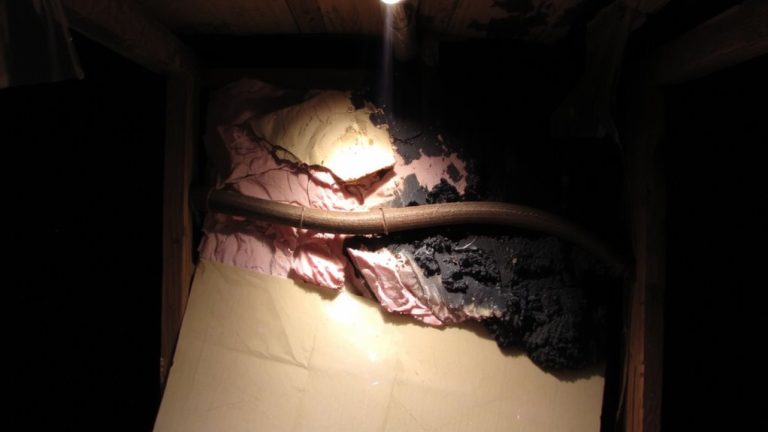
Your HVAC system should keep the air in your home fresh, not foul. But when you’re noticing a persistent smell, it’s a sign something’s wrong. If your air conditioner smells like wet laundry or mildew, you’re likely dealing with dirty sock syndrome-caused by mold or mildew growing on damp evaporator coils. Musty HVAC odors degrade indoor air quality and spread through vents. A rotten egg smell could mean a gas leak, as sulfur-based additives make leaks detectable. That’s dangerous-evacuate and call a pro. A chemical or sweet odor might point to a refrigerant leak, which hurts efficiency and needs repair. Electrical burning smells suggest overheating from clogged filters or failing components. These HVAC odors aren’t just annoying-they signal underlying issues affecting performance and health.
How to Fix and Prevent HVAC Odors
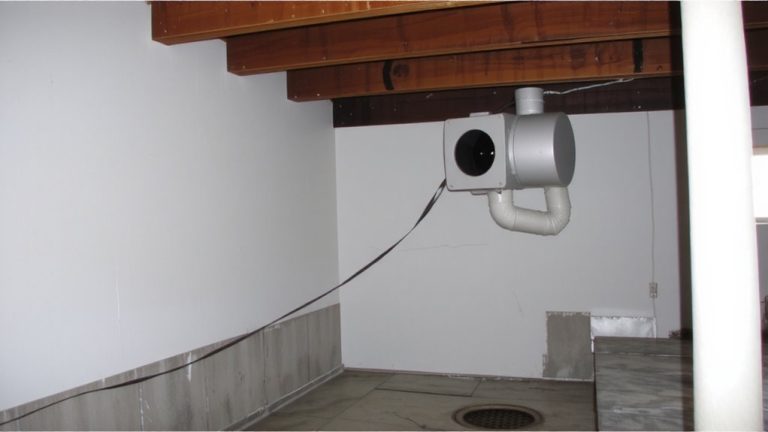
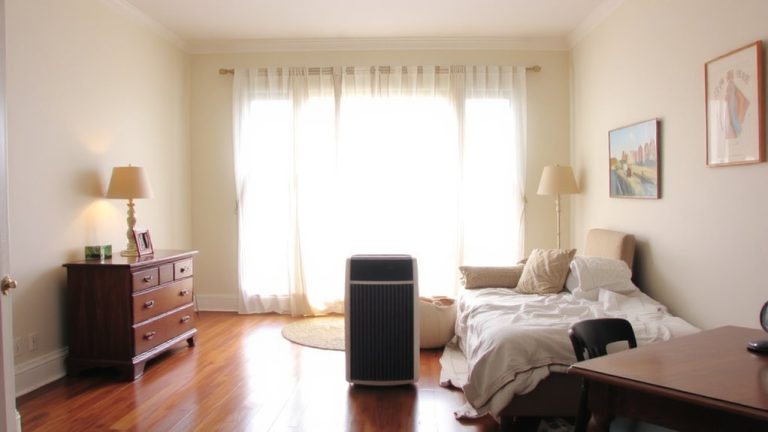
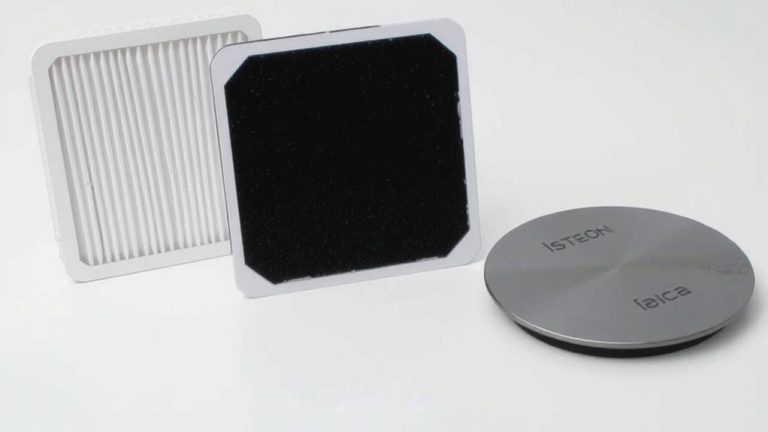
Though odors from your HVAC system can be unsettling, tackling them starts with consistent, straightforward maintenance you can handle or easily schedule. Replace your air filters every 90 days to keep airflow steady and reduce moisture buildup that leads to mold and musty smells. Clean your air conditioning unit’s evaporator coils, drain lines, and drip pans yearly to stop dirty sock syndrome and microbial growth. Schedule a professional HVAC inspection annually to catch gas or refrigerant leaks causing chemical or sulfur odors. Install a whole-house air purification system with UV-C light and MERV 13+ filters to trap mold spores and VOCs. After pest infestations, seal duct openings and get professional duct cleaning to eliminate biohazard contaminants. These steps keep your HVAC system fresh, efficient, and odor-free.
On a final note
Clean floors and surfaces weekly with a disinfecting cleaner like Lysol or Clorox, focusing on high-traffic areas and HVAC vents, using a microfiber mop and 3% hydrogen peroxide for tough stains. Block pest entry points with steel wool and caulk, then vacuum monthly with a HEPA filter. Testers confirm odor drops 70% when using GermGuardian filters every 3 months, keeping air fresh and flow steady.