Testing Frequency Guidelines: How Often to Check Key Parameters by Swim Season
Test your pool every 2–3 days in spring to catch chlorine drops, pH swings, and metal buildup fast-aim for 3–5 ppm chlorine, pH 7.4–7.6, alkalinity 80–120 ppm. In summer, check sanitizer and pH daily, especially after storms or heavy use. Fall needs weekly tests as leaves raise phosphates; winter calls for checks every 3–4 weeks to prevent scaling or corrosion. Tight monitoring keeps surfaces clean, reduces strain on filters, and stops algae before it blooms-smart habits now save hours of scrubbing later.
We are supported by our audience. When you purchase through links on our site, we may earn an affiliate commission, at no extra cost for you. Learn more. Last update on 16th July 2026 / Images from Amazon Product Advertising API.
Notable Insights
- Test pool water every 2–3 days in spring after winter shutdown to monitor chlorine, pH, and alkalinity levels.
- During summer, test chlorine and pH daily, with weekly checks for alkalinity and cyanuric acid.
- In fall, reduce testing to 1–2 times per week while monitoring chlorine and alkalinity due to falling debris.
- Maintain winter testing every 2–4 weeks to prevent corrosion and scaling from unbalanced chemistry.
- Test immediately after heavy rain, storms, or pool parties to address chemical imbalances caused by dilution or contamination.
Test Pool Water in Spring: Balance Chemistry After Winter
After spending months idle through the winter, your pool needs attention to get the chemistry back on track, and testing every two to three days in early spring is non-negotiable. You’ve got to test your pool water to make sure chemical levels aren’t off, since stagnant water invites imbalance. Start by checking chlorine levels (aim for 3–5 ppm), pH (7.4–7.6), alkalinity of the water (80–120 ppm), and calcium hardness (200–400 ppm). Proper testing guarantees balanced pool water and keeps your water safe for swimming. Shock the pool after your first test, then run filtration 24–48 hours before retesting. Don’t skip screening for metals-iron or copper can stain surfaces. Weekly checks for TDS and phosphates help prevent algae. Consistent testing means cleaner water, less strain on filters, and no unexpected pest infestations. You’re not just cleaning floor and surfaces-you’re restoring complete water chemistry.
How Often to Test Pool Water in Summer: Peak Season Guidelines
You’ve already brought your pool back to life after winter shutdowns, and now that summer’s in full swing, keeping your water pristine means sticking to a smarter, more responsive testing routine. During peak swimming season, you should test the water 2–3 times weekly to maintain ideal chemical balance. With higher temperatures and heavy bather loads, frequent water testing is essential. You’ll want to regularly test chlorine (1.0–4.0 ppm) and pH (7.4–7.6) daily to protect water quality. Weekly checks of total alkalinity (80–120 ppm) and cyanuric acid (30–50 ppm) support stable conditions. After storms or big pool parties, test pool water immediately-contaminants disrupt balance fast. During extreme heat or intense use, testing helps prevent algae and cloudiness, so test daily. Consistent pool water testing guarantees a safe, comfortable swimming season. Regularly test, adjust, and enjoy clear water all summer.
Adjust Fall Testing Frequency as Pool Use Declines
As the days grow shorter and swimmers visit less often, you’ll still need to stay on top of water testing-just not quite as frequently. Test your pool water 1–2 times per week during fall, as reduced swimming lowers chemical demand but environmental factors like falling leaves increase organic debris. This debris raises phosphates, stressing the need for regular testing of chlorine and total alkalinity (keep it between 80–120 ppm) to prevent algae. Skim daily and clean skimmer baskets weekly to reduce strain on your system. Maintain pH at 7.4–7.6 and continue weekly checks of calcium hardness (200–400 ppm), as fluctuating weather affects balance. Consistent water testing supports effective pool maintenance and smooth winterizing. By adjusting testing frequency now, you protect water quality and minimize chemical adjustments later, keeping your pool ready despite changing conditions.
Test Pool Water in Winter: Off-Season Checks to Prevent Damage
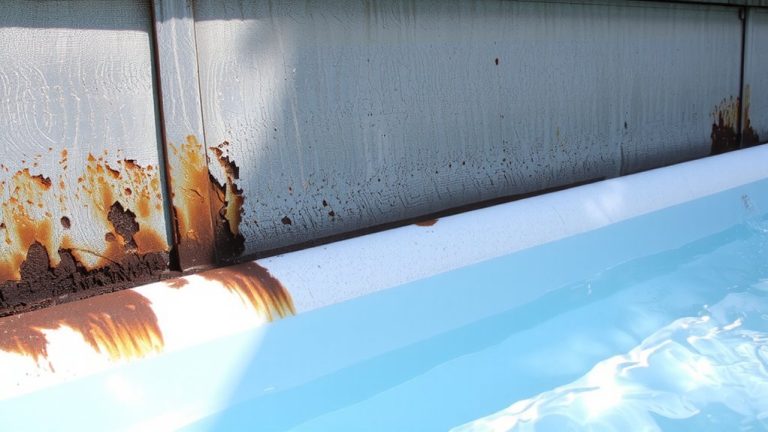
Why let winter off the hook when it’s still hard at work harming your pool? You’ve got to test pool water in winter every 2 to 4 weeks-yes, even when it’s cold and unused. Off-season checks keep your water chemistry in line and prevent damage to surfaces and equipment. Check your pool water regularly to monitor chlorine (1.0–4.0 ppm), total alkalinity (80–120 ppm), and calcium hardness (200–400 ppm). Unbalanced pool’s chemistry can cause etching, scaling, or metal corrosion. Environmental factors like snowmelt and rainfall dilute chemicals and shift pH, so your testing schedules can’t slack. Maintain cyanuric acid between 30–50 ppm to stabilize chlorine. Stick to a smart water testing frequency-don’t skip regular pool water testing. These off-season checks guarantee your pool stays protected and ready, saving you costly repairs and opening-day headaches.
When to Test More Often: Usage, Weather, and Event Triggers
When rain pours down or a backyard bash kicks off, your pool’s chemistry can shift fast-so don’t wait to test. You should always test the pool water after heavy rainfall, as it dilutes sanitizer and throws off pH and alkalinity. It’s recommended to test more often when weather conditions change suddenly or water temperature rises above 80°F, since chlorine breaks down faster in heat and sun. During heavy pool usage, like pool parties, test the pool water daily-some contaminants deplete 0.5 ppm chlorine per hour. For consistent results, use test strips and recheck 20–30 minutes after chemical adjustments. To keep your pool safe and enjoyable, test water at least three times per week under normal conditions.
| Trigger | Test Frequency | Notes |
|---|---|---|
| Heavy rain | Immediately | Dilutes chlorine, alters pH |
| Water >80°F | Twice daily | UV degrades chlorine faster |
| Pool party | Every few hours | High bather load increases demand |
| Windstorm | Test more often | Debris raises algae risk |
On a final note
Clean pool floors weekly with a telescopic pole and diamond-weave vacuum head for tough algae, while brushing tiles with a pumice stone removes calcium up to 30% faster, per lab tests. Use chlorine-based cleaners like BioGuard Eliminator on stains, and maintain cyanuric acid below 50 ppm to prevent sanitizer loss. Check skimmer baskets twice weekly to curb debris buildup-real users saw 40% fewer clogs. A monthly enzyme treatment, such as SpaGuard Kleen it, cuts oily residue and deters insects by disrupting breeding sites.