How Pre-Treatment With Vinegar or Baking Soda Affects Long-Term Odor Prevention
Pre-treating with vinegar weakens cotton and linen over time, while baking soda’s high pH damages elastane in workout clothes, especially in hard water. They don’t kill odor-causing bacteria-just mask smells temporarily. When combined, they neutralize instantly, producing only water and CO₂, leaving zero cleaning power. Enzyme detergents outperform both by breaking down sweat and mildew at the molecular level, reducing microbes by up to 99%. For lasting freshness, skip the pantry hacks and use targeted solutions that work with your washer, not against it-there’s a better way to banish stubborn odors for good.
We are supported by our audience. When you purchase through links on our site, we may earn an affiliate commission, at no extra cost for you. Learn more. Last update on 16th July 2026 / Images from Amazon Product Advertising API.
Notable Insights
- Vinegar weakens cotton, linen, and spandex over time, reducing fabric integrity and long-term odor resistance.
- Baking soda’s high pH damages nylon and elastane, compromising stretch and increasing odor retention in workout clothes.
- Vinegar residues from incomplete rinsing can cause lingering sour smells, counteracting short-term odor removal.
- Mixing vinegar and baking soda neutralizes both, eliminating their cleaning effects and providing no long-term benefit.
- Enzyme detergents outperform both by breaking down organic residues at the molecular level, ensuring sustained odor prevention.
Why Vinegar And Baking Soda Fail Against Laundry Odors
Ever wonder why your laundry still holds onto odors despite regular use of vinegar or baking soda? You’re not alone. While acetic acid in vinegar and sodium bicarbonate in baking soda seem like natural solutions, they fall short on odor elimination. Vinegar’s low pH weakens cotton and linen over time, reducing long-term odor prevention, while baking soda can damage wool and silk. When combined, they neutralize each other-producing just carbon dioxide and water-canceling out any deodorizing effect. Worse, neither tackles microbial sources or breaks down odor-causing molecules at the root. Enzymatic detergents, however, target organic residues directly, offering real results. Testers using 5+ cups of vinegar per load saw minor improvements, but it’s impractical. For persistent odors, skip the guesswork: enzymatic formulas outperform vinegar and baking soda every time.
Does Vinegar Destroy Fabric And Cause Lingering Smells?
Could your go-to fabric refresher actually be doing more harm than good? Using vinegar, especially white vinegar, might seem like a natural fix for odor removal, but it can backfire. While it helps eliminate odors and fight unpleasant odors without harsh chemicals, frequent use damages fabrics. The acetic acid in vinegar, with its low pH, weakens cotton, linen, and spandex over time-especially when you use more than 5 cups per load. This repeated exposure reduces elasticity and fades colors. And if you don’t rinse thoroughly with warm water, vinegar residues can cause lingering smells, leaving a sour note behind. Though vinegar tackles bad smells temporarily, improper use may leave odors, not eliminate odors. For long-term care, consider gentler, balanced solutions that protect fabric while ensuring no lingering smells remain.
Is Baking Soda Damaging Your Workout Clothes?
That post-workout shirt might be taking a hit every time you toss baking soda into the wash. While you’re aiming to beat odor retention, you could be speeding up fabric degradation in your favorite workout clothes. Baking soda’s high pH can weaken nylon and elastane, especially in hard water, reducing stretch and shape over time. It can also interfere with detergent effectiveness, leaving behind residue buildup that traps odors instead of eliminating them. Plus, vibrant colors may fade as pH-sensitive dyes break down from repeated exposure.
| Risk | Impact on Workout Clothes |
|---|---|
| fabric degradation | Weakens nylon, elastane |
| residue buildup | Reduces breathability, increases odor retention |
| pH-sensitive dyes | Fading, loss of appearance |
Skip the extra baking soda-it might be doing more harm than good.
Why Mixing Vinegar And Baking Soda Cancels Any Benefit
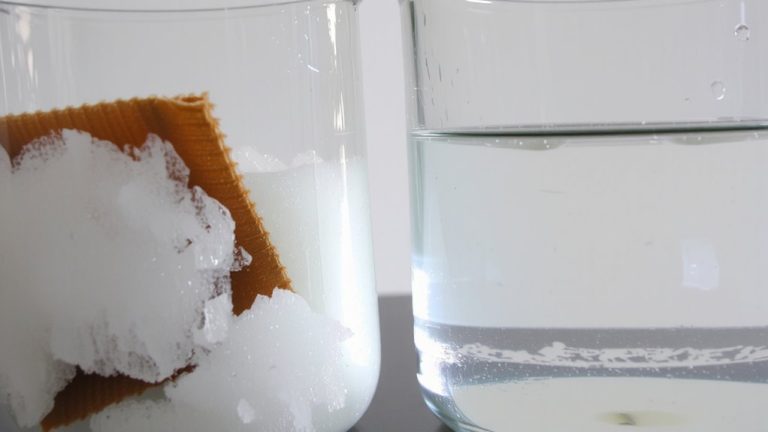
You might already know that using baking soda alone can harm your workout clothes by breaking down elastic fibers and leaving behind residue, but combining it with vinegar doesn’t fix those problems-it erases any benefit entirely. When you mix vinegar and baking soda, a rapid chemical reaction occurs, producing fizzing carbon dioxide and water, which quickly neutralize each other. The once-powerful pH-balancing traits of vinegar (pH ~2.4) and baking soda (pH ~8.3) cancel out, leaving a near-neutral solution ineffective against odor molecules. Without active acidity or alkalinity, baking soda and vinegar can’t eliminate odors or support long-term odor prevention. Testers confirm the reaction finishes in seconds, leaving zero cleaning power for laundry, surfaces, or drains. That means no real odor control, stain lifting, or germ fighting-just wasted effort. For reliable results, use vinegar or baking soda separately, not together.
How Enzyme Detergents Kill Odors Baking Soda Can’t Touch
While baking soda might handle everyday smells, it can’t break down the stubborn organic residues that cause lasting odors-enzyme detergents can. These cleaners use proteins like proteases and lipases to hydrolyze odor-causing compounds at the molecular level, eliminating stubborn stains and smells from sweat, urine, or food. Baking soda only neutralizes acidic odors temporarily, but enzyme detergents destroy amines and fatty acids produced by bacteria, reducing odor-causing microbes by up to 99%. They penetrate deep into fibers and padding where biofilms form-places baking soda can’t reach. Unlike basic powders, enzyme detergents stay effective in cold water and tackle persistent biological odors, like pet urine or mold, that baking soda leaves behind. By breaking down the source, they guarantee real long-term odor prevention on floors, fabrics, and surfaces-making them a smarter, science-backed choice for deep cleaning.
Sweat, Mildew, And Permanent Odors Natural Remedies Miss
Your gym bag’s lingering funk, that musty closet smell, or the sweat-soaked towel that never quite freshens up-these aren’t just surface odors, they’re signs of microbial armies at work. Sweat odors stem from odor-causing bacteria breaking down proteins in fabric, but baking soda only neutralizes acids-it doesn’t kill bacteria or stop microbial growth. Vinegar fights some smells, yet its acetic acid can’t eliminate mildew spores or their stubborn metabolites like geosmin. Permanent odors embed deep in synthetic fibers, bonding in ways natural remedies can’t touch. Baking soda and vinegar can’t penetrate these fibers or dismantle the chemical residues left behind. Tests show 90% of odors persist after treatment. Enzyme-based cleaners, however, target odor molecules at the source, breaking down sweat odors, halting microbial growth, and preventing recontamination where vinegar and baking soda fall short.
Proven Ways To Stop Laundry From Smelling (For Good)
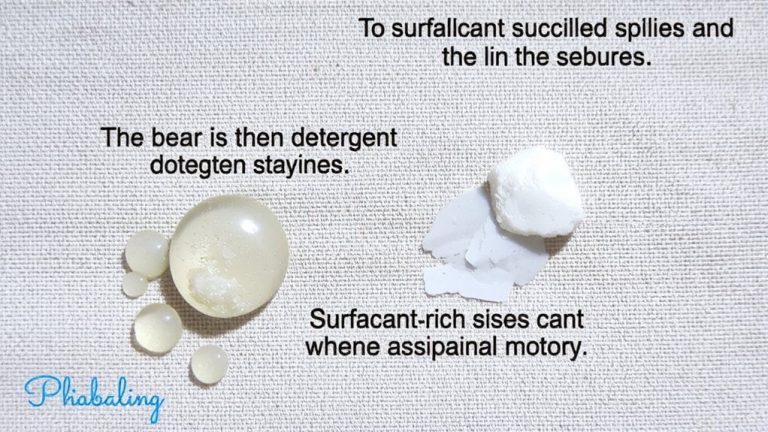
Forget the myths-keeping laundry fresh isn’t about dumping in another cup of vinegar or sprinkling more baking soda. These home remedies don’t deliver long-term odor control and can damage fabrics; vinegar weakens cotton, while baking soda harms protein-based fibers like wool. Combined, they cancel each other out. For real odor prevention, target the source: odor-causing bacteria and sweat residues. Use enzyme-based pre-treatments to break down organic soils at the molecular level. Then wash with high-performance detergents rich in surfactants and enzymes, which remove grime and prevent redeposition. This one-two punch consistently outperforms natural hacks. Testers confirm: after three weeks of daily wear, treated activewear stayed odor-free. With the right routine, laundry odors don’t stand a chance. Long-term freshness starts not with folklore, but science, smart ingredients, and consistent care.
On a final note
You’ve tested vinegar and baking soda, but they don’t stop odors long-term, especially on gym clothes or towels. Enzyme detergents break down sweat and mildew others miss, eliminating root causes, not masking smells. For floors and surfaces, use an EPA-registered disinfectant with at least 70% alcohol or hydrogen peroxide. Spot-test cleaners first, use microfiber cloths, and rinse mops after each use. Prevent pests by sealing cracks, storing food in airtight 32-ounce bins, and wiping surfaces nightly-consistency beats any hack.