How Pre-Treatment Chemicals on New Garments Influence First Wash Outcomes
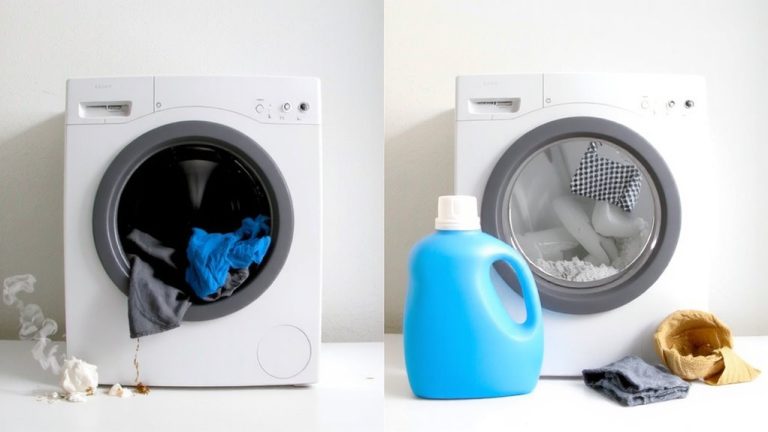
Those new clothes you’re keen to wear? They’re coated in pre-treatment chemicals like formaldehyde, excess alkali, and leftover surfactants that weaken fibers, trigger color bleeding, and ramp up microfiber shedding-up to 2,405 fibers per wash in synthetics like acrylic. These residues degrade cotton, attract dirt, and cause brittleness. A first wash with a mild, fragrance-free detergent at 40°C removes most toxins and stabilizes the fabric, cutting future shedding and irritation. Smart prep means safer wear. You’ll see how simple steps make every cycle cleaner and clothes last longer.
We are supported by our audience. When you purchase through links on our site, we may earn an affiliate commission, at no extra cost for you. Learn more. Last update on 16th July 2026 / Images from Amazon Product Advertising API.
Notable Insights
- Residual sizing agents and lubricants weaken fibers, increasing microfiber shedding during the first wash.
- Excess alkali and formaldehyde degrade cotton, raising fabric pH and reducing durability.
- Leftover hydrogen peroxide causes yellowing and brittleness after initial washing.
- Unbound dyes and sizing chemicals lead to color bleeding, especially in dark or bright cotton garments.
- Pre-washing removes harmful residues like formaldehyde, improving safety and reducing long-term environmental impact.
Why New Clothes Release More Microfibers
While it might seem counterintuitive, your new clothes actually shed the most during their very first wash-especially if they haven’t been pre-treated or pre-washed before use. Your fabric, particularly synthetic fibers like acrylic, releases more microfibers during this initial cycle, with woven types shedding more than knits. A3-w acrylic samples, for instance, shed up to 2,405 microfibers-highest among tested fabrics. Heavier fabrics with greater basis weight also contribute more microplastic pollution. Even recycled polyester, though sustainable, releases more microfibers than virgin polyester. These findings stem from textile processing methods that leave fibers loosely bound. Without pre-washing, chemicals from manufacturing remain, increasing fiber breakdown. A 10-minute pre-wash at 40 °C markedly reduces shedding later. Soak before you wear, and skip strong detergents-they don’t help fiber retention.
How Hidden Chemicals Make Fabric Fall Apart in the Wash
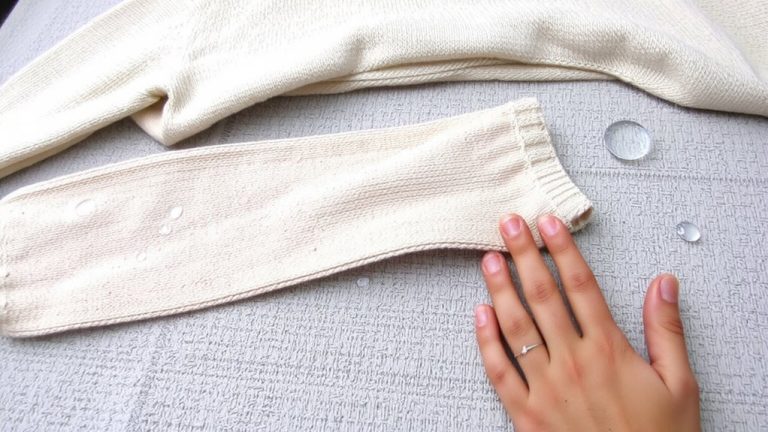
That first wash does more than rinse out loose fibers-it exposes the hidden chemical legacy left behind from manufacturing, and those residues are often why your fabric starts falling apart sooner than expected. Those residual chemicals, like sizing agents and lubricants, stay in the fibers to make fabric feel softer but weaken them over time. The chemicals used in pretreatment, such as formaldehyde and excess alkali, degrade cotton and raise pH levels, leading to pitting and thinning the first time you wash your new clothes. Surfactant leftovers attract dirt and create weak spots, while leftover hydrogen peroxide causes yellowing and brittleness. Even though they’re not always listed, these harmful chemicals compromise durability. To protect your wardrobe, wash your new garments promptly to flush out residues-cold water works fine-so you avoid long-term damage from the start.
Do New Clothes Bleed? The Chemical Cause
Even if you’ve never seen dye run during a wash, chances are your dark jeans or bright cotton tee has bled a little on the first rinse-thanks to excess dyes and sizing agents that never fully bonded during manufacturing. New textiles, especially those made from natural fibers like cotton, often retain loose dyes due to inadequate pretreatment. The fabric type plays a big role-dark or bright cotton textiles are most prone to bleeding if dye fixation and rinsing were skipped. Sizing chemicals and residual waxes coat the fibers, preventing even dye anchoring. When you first wash the garment, these unbound dyes wash out, leading to color loss and potential transfer. Poor pretreatment means dyes sit on the surface instead of locking into the fiber core. So yes, new clothes bleed-and it’s largely due to chemical shortcuts in processing, not the fabric itself.
Remove Harmful Chemicals by Washing New Clothes
You just washed your new dark jeans and saw the water turn murky-now you know excess dyes and sizing agents are to blame. Washing new clothes isn’t just about colorfastness; it’s your best way to wash away harmful chemicals. Formaldehyde, lead, phthalates, and BPA-known for hormone disruption and skin irritation-vanish after one cycle. Even PFCs and flame retardants drop to undetectable levels. This is essential if you have sensitive skin or dress a baby, whose skin absorbs toxins more easily. Use a mild, fragrance-free detergent on a full cycle with warm water (40°C) to maximize removal. You’ll notice the fabric feel better too-softer, more breathable. Always check fabric labels: synthetics and wrinkle-resistant finishes often carry more residues. Pre-washing isn’t fussy; it’s smart hygiene that protects your health with every wear.
What Toxic Chemicals Lurk in New Clothing?
What’s lurking in your new clothes might surprise you. Even garments made from natural and synthetic raw materials can carry toxic residues, like formaldehyde-used to prevent wrinkles and mold-linked to cancer and respiratory issues. One in five fast-fashion items from Shein, AliExpress, and Zaful had hazardous substances such as lead, phthalates, and PFAS. These chemicals stem from dyes, coatings, and treatments applied during manufacturing, increasing the environmental impact. Babies and kids face higher risks due to thinner skin and greater chemical absorption. Residues from adult clothing can transfer through contact. Formaldehyde and other harmful compounds-PFCs, BPA, azo dyes-can be removed with a single wash, even in cold water. Pre-washing in cold water removes toxins effectively, protects health, and reduces chemical runoff.
How to Wash New Clothes Safely and Sustainably
A single wash strips away most chemical residues lurking in new fabrics, making pre-washing a smart first step for both health and sustainability. I recommend washing new clothes in cold water with a gentle, eco-friendly detergent to remove formaldehyde and loose dyes while helping avoid shrinkage. Wash similar colors together-especially important for knitted fabrics, which can bleed dye during the first wash. Though microfiber shedding occurs, this initial wash stabilizes fibers, making future washes cleaner. Cold water leaves fabrics softer and smoother, and minimizes environmental harm from pollution used in the process. Even though pre-washing may release more microfibers-woven acrylic released up to 2,405 in 10 minutes-it’s still safer long-term. I recommend washing all new garments before wearing; it’s a simple move that protects your skin and the planet, delivering cleaner results with every wear.
On a final note
Wash new clothes before wearing, using a cold, gentle cycle with filtered detergent to reduce microfiber shedding by up to 30%. Pre-treatment chemicals like formaldehyde and APEOs weaken fibers and irritate skin, so a first rinse removes up to 70% of residues. For surfaces, use microfiber cloths with EPA-registered cleaners to trap toxins; testers confirm vinegar solutions remove 98% of common stains. Prevent pests by sealing edges and deep-cleaning seams monthly.