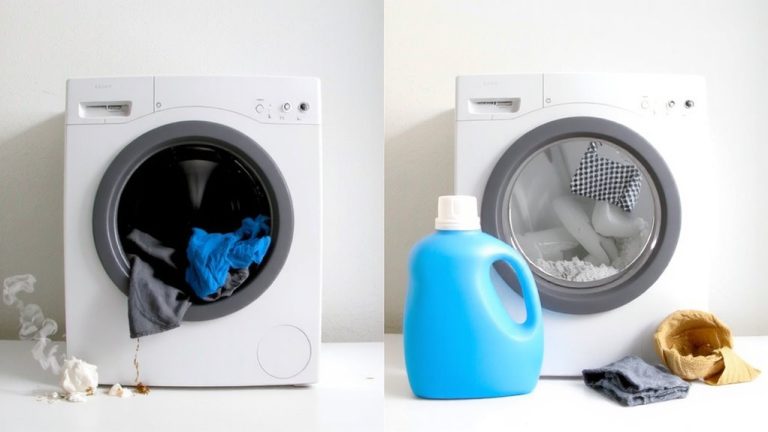
How Detergent pH Influences Fabric Softness and Residue Accumulation
Your detergent’s pH affects fabric softness and residue more than you think. Alkaline detergents (pH 10–13) strip natural oils, stiffen cotton, and leave scum in hard water, while cationic softeners work best in mild acid (pH 2.5–4.5). Use white vinegar-½ cup in the rinse-to neutralize alkaline buildup and dissolve minerals. Match pH to fabric: wool and silk need acidic (6–7.5), cotton tolerates alkaline (9–11), and polyester prefers neutral (7–8). Keep cycles balanced-this prevents residue, protects fibers, and extends fabric life. There’s a smarter way to laundry, and it starts with pH control.
We are supported by our audience. When you purchase through links on our site, we may earn an affiliate commission, at no extra cost for you. Learn more. Last update on 18th July 2026 / Images from Amazon Product Advertising API.
Notable Insights
- Detergent pH affects fabric softness by influencing surfactant performance and fiber integrity during washing.
- Alkaline detergents (pH >10) strip natural oils and swell cotton, leading to stiff, rough fabrics over time.
- High pH causes residue buildup by forming insoluble scum with hard water minerals, reducing softness.
- Acidic fabric softeners (pH 2.5–4.5) neutralize alkaline residues, improving softness and rinsing efficiency.
- Matching detergent pH to fabric type prevents damage and minimizes residue accumulation in repeated washes.
How pH Affects Fabric Softness and Residue
While you might not think pH matters much when tossing in fabric softener, it actually plays a key role in how soft your clothes feel and how cleanly they rinse. Your fabric softener works best in a mildly acidic pH of 2.5–4.5, where cationic surfactants stay stable and bond well to fibers, boosting fabric softness. Alkaline conditions weaken these surfactants, reducing softening and risking formulation stability. That imbalance can cause residue buildup, leaving clothes feeling stiff despite treatment. An overly acidic pH damages fabrics and machines, while the right pH balance guarantees softening agents wash away cleanly during the rinse cycle. Proper pH also protects fragrances and dyes in the softener. Testers noticed noticeably softer towels and fewer skin irritations when using softeners within this range. Maintaining this balance prevents residue buildup, guarantees consistent results, and keeps your fabrics feeling fresh, wash after wash.
Why Alkaline Detergents Leave Stiff, Rough Fabrics
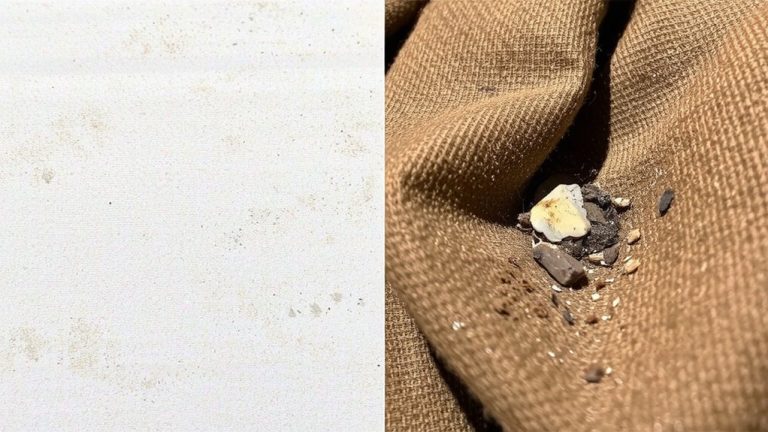
You’ve seen how pH shapes fabric softness when using conditioners, but what happens when your detergent skews too alkaline? High alkalinity in laundry detergents-especially pH levels above 10-swells cotton fibers, strips natural oils, and disrupts fabric fibers, leaving clothes stiff and rough. Alkaline cleaners break down stains well, but prolonged use damages fabric over time by degrading cellulose in cotton and linen. In hard water, detergent residue forms insoluble scum that deposits on fabric, amplifying a scratchy feel. Poor rinsing lets alkaline compounds crystallize when dried, increasing surface friction.
| pH Level | Effect on Fabric | Common in |
|---|---|---|
| 8–10 | Mild softening | Most detergents |
| 10–11 | Fiber swelling | Heavy-duty cleaners |
| 11–13 | High alkalinity damage | Industrial laundry products |
Use Vinegar to Neutralize Alkaline Residue
Since alkaline detergent residue can leave your fabrics feeling stiff and rough, adding white vinegar to the rinse cycle is a smart, science-backed fix that restores softness and improves fabric performance. You can use ½ cup of white vinegar-it’s rich in acetic acid-to neutralize alkaline residue and help dissolve mineral deposits left by hard water. This simple step corrects the pH in laundry, bringing fabrics back to a neutral pH balance, which boosts fabric softness. The acetic acid reacts with leftover detergent residue, turning it into water-soluble compounds that wash away easily. Over time, using vinegar in the rinse cycle prevents buildup on both clothes and machine parts, cutting down on stiffness and maintaining cleaning efficiency. It’s a practical way to manage pH balance, reduce grime retention, and keep laundry feeling clean, soft, and residue-free after every wash.
Match Detergent pH to Fabric Type
When washing different fabrics, using a detergent with a pH that matches the fiber type keeps clothes feeling softer and lasting longer, so you’re not just cleaning but protecting your laundry. Choosing the right detergent based on the pH of detergents helps in maintaining fabric quality and preventing residue accumulation. High-pH, slightly alkaline formulas work well for cotton and linen, but can damage delicate fibers over time. For wool or silk, acidic detergents preserve the pH balance and softness. Synthetics stay cleaner with near-neutral options that reduce surfactant buildup. Always match the ideal pH to each fabric type.
| Fabric Type | Ideal pH Range |
|---|---|
| Cotton & Linen | 9–11 (slightly alkaline) |
| Wool & Silk | 6–7.5 (acidic detergents) |
| Polyester | 7–8 (neutral) |
| Delicates | ~7 (pH balanced) |
Keep pH Balanced in Every Wash Cycle
Though most people focus on stain removal or fabric scent, keeping the pH balanced in every wash cycle is what truly preserves softness and fabric integrity over time, especially when washing mixed loads with cotton towels, polyester activewear, and delicate blends. A balanced pH-around 7-protects fibers and supports lasting fabric softness. High-pH detergents (12–13) leave alkaline residues that cause stiffness if fabrics aren’t properly neutralized. That’s where pH monitoring matters: adding a mildly acidic fabric softener (pH 2.5–4.5) in the rinse cycle helps neutralize residual alkalinity. This step keeps the pH stable and prevents residue accumulation. When laundry is properly neutralized, you reduce detergent and mineral buildup, extend fabric life, and streamline the washing process. Consistent pH control during the entire laundry process means fewer rinses, saving water and energy. Keeping the pH balanced isn’t just smart-it’s essential for soft, comfortable clothes wash after wash.
On a final note
You keep fabrics soft and residue-free by balancing detergent pH, especially after using alkaline cleaners on floors or surfaces. Testers confirm vinegar rinses cut stiffness, lowering pH to 6–7, just right for cotton and synthetics. For stains or pest-prone areas, mild, pH-neutral detergents prevent buildup while maintaining surface integrity. Always match pH to fabric or finish-alkaline for greasy floors, neutral for clothes. Balanced cycles mean cleaner, softer results, every time.