How Often Should You Replace Pool Filters? Lifespan by Type (Sand, Cartridge, DE)
Replace your sand filter every 3 to 7 years, cartridge every 3 to 5, and DE grids every 3 to 5-replace sooner if pressure climbs 8–10 psi past clean-start, water stays cloudy, or you spot torn pleats, cracked grids, or oily gunk after cleaning with filter cleaner. High strain on the pump, reduced flow, and frequent cleaning mean it’s time. Change sand completely, soak cartridges twice yearly, and inspect DE grids for warping. Spotting these signs early keeps your pool clear and system efficient-there’s more to fine-tuning your filter’s performance just ahead.
We are supported by our audience. When you purchase through links on our site, we may earn an affiliate commission, at no extra cost for you. Learn more. Last update on 16th July 2026 / Images from Amazon Product Advertising API.
Notable Insights
- Sand filters typically require media replacement every 3 to 7 years, depending on pool usage and water conditions.
- Cartridge filters generally last 3 to 5 years before needing replacement, especially with regular maintenance.
- DE filter grids should be replaced every 3 to 5 years or sooner if damage like tears or warping is present.
- Persistent high pressure or cloudy water after cleaning may signal the need for earlier filter replacement.
- Replace all DE grids at once if one is damaged to prevent filtration bypass and ensure system efficiency.
When Your Pool Filter Needs Replacing: Key Warning Signs
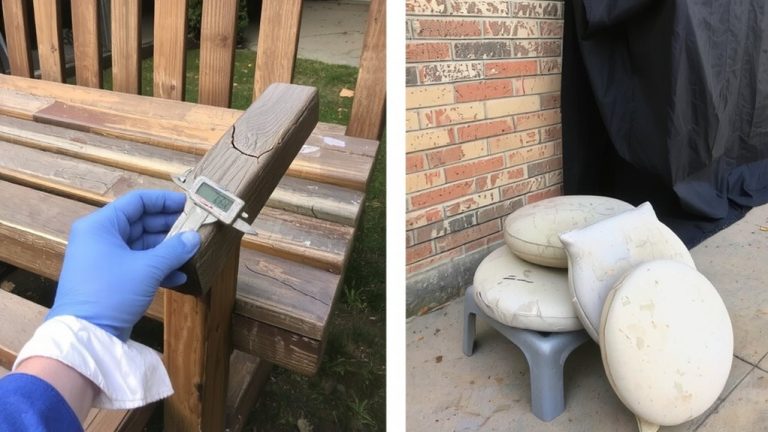
How do you know when it’s time to replace your pool filter cartridge instead of just cleaning it? If the pressure gauge reads 8–10 psi above your clean-start pressure after you Clean Your Filter, it’s a sign your filter cartridge needs replacing. You’ll also need to replace your pool filter if there’s visible damage-like tears, frayed pleats, or cracked end caps. Oily stains or dark gunk that won’t lift after soaking mean the media is saturated and failing. When water remains cloudy despite balanced chemicals, it’s time to replace. A spike in filter cleaning frequency-cleaning twice as often as normal-tells you the cartridge has hit the end of its lifespan. Don’t wait; a worn filter strains your pump and risks poor circulation. Replace your pool filter promptly to maintain clarity, efficiency, and long-term system health.
How to Replace Sand Filter Media and When to Do It
You’ve already learned when to replace your cartridge filter based on pressure spikes, damage, or persistent cloudiness, but if you’re running a sand filter system, the maintenance rhythm shifts slightly-especially when it comes to the media itself. You should Replace Sand every 3–7 years, depending on pool usage, with heavy use leaning toward the 3-year mark. Signs it’s time include cloudy water, reduced water flow, and high pressure gauge readings that don’t drop after you backwash. Unlike Pool Filter Cartridges, Sand Filter media lasts longer but eventually loses efficiency. To replace the filter media, drain the tank, remove old sand, and refill with 100–300 lbs of fresh pool-grade #20 silica sand (0.45–0.85 mm). After loading, backwash thoroughly, then rinse to settle the bed and clear dust from the new Filter Media.
Cartridge Filter Replacement: Lifespan and Damage Indicators
While sand filters rely on media that lasts years before needing replacement, your cartridge filter’s lifespan is more predictable-typically 3 to 5 years-with performance declining faster if you’re cleaning it twice as often as before. If you notice a spike in pressure despite rinsing, or unfiltered water bypassing the system, your cartridge needs help. Look for frayed pleats, broken end caps, or band damage-these mean it’s time to Replace Your Filter. Oily, dark stains that won’t lift even after soaking in a filter cleaner signal oil saturation, especially common with frequent chemical use or hot tub runoff. Degraded media can’t trap debris like it should. Don’t wait for total failure-poor filtration strains pumps and affects water clarity. A worn cartridge can’t keep up, no matter how well you rinse or how balanced your pool chemicals are. Replace it promptly for clean, efficient water flow.
Maintaining and Replacing DE Filter Grids
Regularly maintaining your DE filter grids keeps your pool water sparkling and your system running efficiently. You should clean DE grids annually by soaking them in a filter cleaner solution to dissolve oils and minerals buildup that reduce flow. Over time, grids wear out, so replace every 3–5 years, or sooner if you spot tears or warping. After cleaning, inspect for deterioration-frayed fabric or cracked frames mean diatomaceous earth can leak into your pool. If one grid is damaged, replace all grids at once to guarantee uniform filtration and prevent bypass. Ignoring wear leads to cloudy water and increased strain on your pump. Regular care means fewer issues, better performance, and longer life for your filter. Replace damaged grids promptly and stick to a cleaning routine-it’s the simplest way to keep your pool clear.
How to Make Your Pool Filter Last Longer
A well-maintained pool filter can go the distance when you stay on top of a few key habits. You need to clean your cartridge filter when the pressure gauge hits 8–10 psi above your clean-start reading to prevent clogs and extend life. Regularly clean your pool to reduce debris, easing strain on your sand or cartridge pool system. Soak your cartridge every 6 months in a specialized solution-like Natural Chemistry’s Filter Perfect or In The Swim’s granular cleaner-to handle oils and minerals. If your pool filter cartridge needs replacing due to torn end caps or damaged pleats, replace the cartridge promptly. Even with a long potential lifespan, replace glass filter media every 5 years for peak efficiency. These steps help you make your pool filter last longer, keeping your filter needs predictable and performance high.
On a final note
Clean filters every 4–6 weeks with a garden hose, using a degreaser for grease or algae stains. Cartridge filters last 1–2 years; sand, 5–7 years; DE grids, 3–5 years. Replace if you notice cracks, tears, or pressure drops. Use TSP for tough stains, and rinse after shocking. Testers confirm cartridge filters lose efficiency at 20 psi, sand loses clarity after backwashing 10 times yearly, and DE needs recharging weekly.