How Mineral Deposits From Water Damage Fabric Fibers Over Time
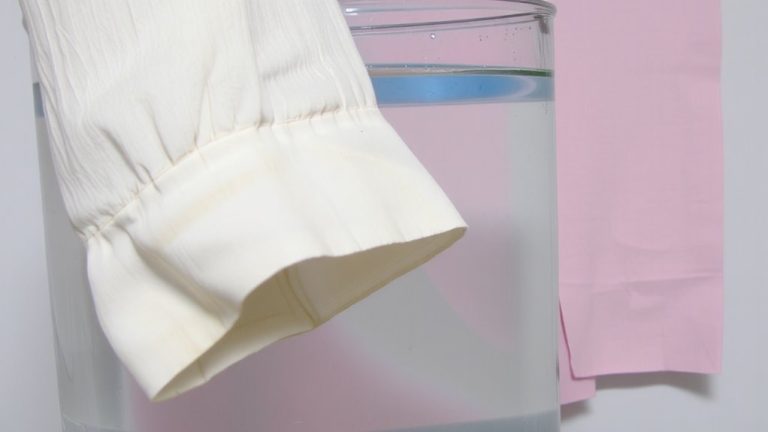
Hard water leaves up to 2 grams of mineral residue per kg of laundry, embedding calcium and magnesium into fibers that act like abrasives, causing micro-tears and thinning threads over time. This buildup stiffens clothes, dulls colors, and grays whites by trapping soap and weakening dyes. You’ll see fraying, especially in silk or wool, when dissolved minerals exceed 150 mg/L. Use vinegar in the rinse cycle or a monthly strip with borax and washing soda to combat deposits-there’s more to keeping fabrics strong and clean.
We are supported by our audience. When you purchase through links on our site, we may earn an affiliate commission, at no extra cost for you. Learn more. Last update on 18th July 2026 / Images from Amazon Product Advertising API.
Notable Insights
- Calcium and magnesium in hard water bind to fabric fibers, causing stiffness and reducing softness over time.
- Mineral deposits act as abrasives, creating micro-tears that weaken fibers and lead to fraying or holes.
- Residue buildup from hard water traps soap, forming a film that dulls colors and grays whites.
- Repeated washing leaves 0.5–2 grams of mineral residue per kg of laundry, accelerating fiber decay.
- Over time, mineral accumulation breaks down dye bonds and thins threads, especially in delicate fabrics like silk or wool.
How Hard Water Damages Fabric Fibers
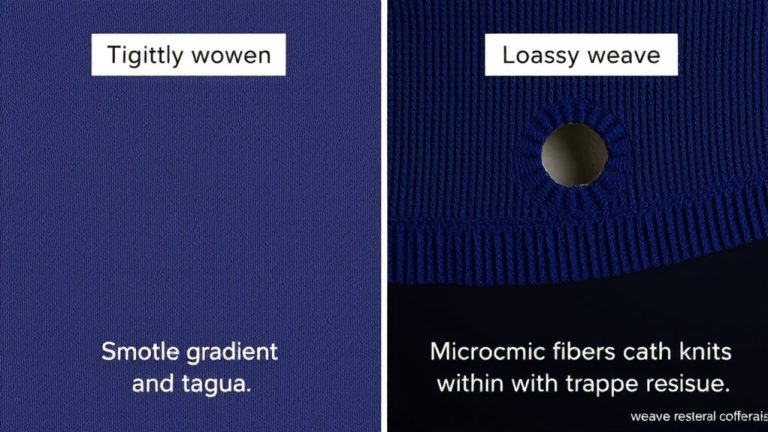
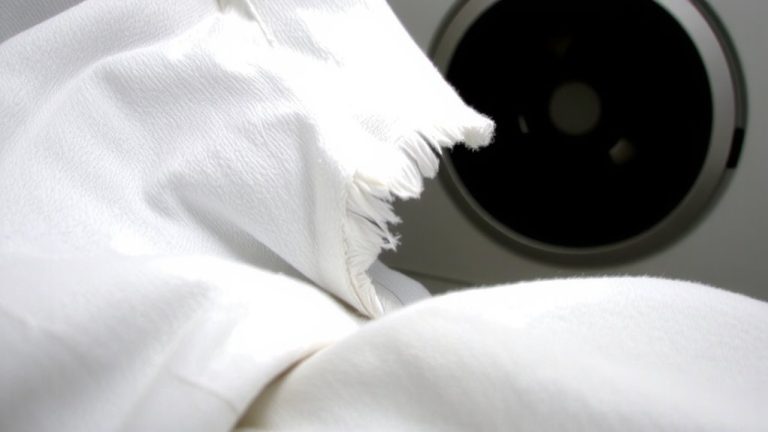
While it might not seem like a big deal, washing your clothes in hard water can slowly wreck the fabrics you rely on, thanks to the buildup of calcium and magnesium minerals with every load. Hard water minerals infiltrate fabric fibers during washing, where mineral deposits act like tiny abrasives, weakening the fibers over time. As mineral residue builds, it creates micro-tears and thins delicate threads, accelerating fiber deterioration-especially in cotton. Each wash leaves behind 0.5–2 grams of mineral residue per kilogram of laundry, and that residue builds fast. The effects of hard water include reduced detergent efficiency by up to 50%, meaning dirt stays trapped, increasing mechanical wear. Over time, this leads to fraying, holes, and stiff fabrics. You’re not just laundering-you’re grinding minerals into your clothes. Mineral buildup isn’t invisible damage; it’s structural decay, silently breaking down what you wear.
How Hard Water Causes Stiff, Faded Laundry
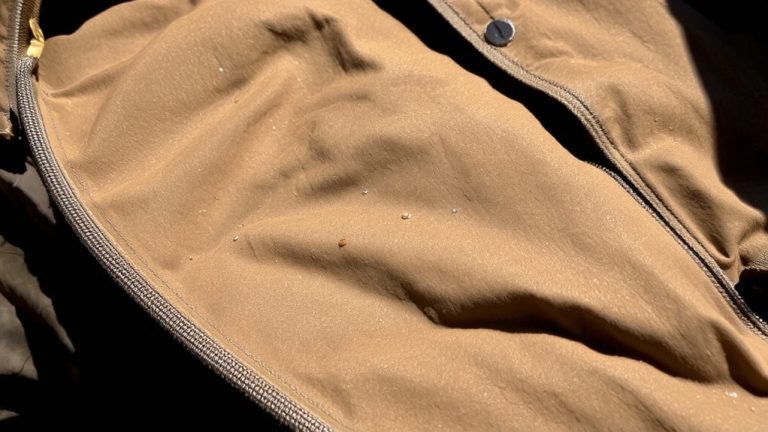
Hard water doesn’t just wear down your fabrics-it leaves them stiff, dull, and tired-looking after just a few washes. The minerals in hard water, like calcium and magnesium, bind to fibers, creating stiff clothes and faded colors over time. As mineral buildup increases, it traps soap residue and forms a film that dulls fabric appearance. This same buildup acts as an abrasive, speeding up fabric damage and leaving whites dingy with hard water stains. These laundry problems aren’t just cosmetic-they affect softness and longevity.
| Issue | Cause |
|---|---|
| Stiff clothes | Calcium and magnesium deposits |
| Faded colors | Weakened dye bonds from minerals |
| Soap residue | Insoluble mineral-detergent compounds |
| Fabric damage | Abrasive mineral buildup over time |
How to Remove Hard Water Residue From Clothes
If you’ve noticed your clothes feeling rough or looking dull despite regular washing, mineral deposits from hard water are likely to blame-but the good news is they’re removable with the right approach. When washing clothes, add 1/2 cup of vinegar to the rinse cycle; its acetic acid dissolves minerals and residue without damaging fabrics. For added power, toss 1/2 cup of baking soda into the wash cycle to soften water and boost detergent, helping lift mineral buildup. Use detergents made for hard water-they contain chelating agents like EDTA that trap calcium and magnesium. For stubborn residue, soak clothes 30 minutes in a mix of one part distilled vinegar to four parts water. Once a month, do a laundry strip with borax, washing soda, and detergent in hot water to flush out soap scum and deep-seated mineral deposits.
When to Use a Professional Cleaner for Hard Water-Damaged Laundry
Ever wonder when it’s time to call in a pro for your laundry woes? If your clothes feel stiff, look dull, or still trap odors despite washing, hard water might be damaging your fabric fibers. When home remedies fail to remove mineral deposits from calcium and magnesium-especially above 7 grains per gallon-professional cleaning can help. Stiff clothes and lingering residue and soap mean your current routine isn’t cutting it. In areas with over 150 mg/L dissolved minerals, water softening systems may not be enough. If you spot early fiber degradation like fraying, especially in delicates such as silk or wool, seek a service using eco-friendly solvents. GreenEarth Cleaning, a Green Seal-certified option, tackles tough laundry challenges with liquid CO₂, safely lifting mineral buildup and extending garment life up to 40%.
On a final note
You’ve seen how mineral deposits from hard water stiffen and fade fabrics over time, but regular washing with a chelating agent like Calgon (use 1/2 cup per load) helps, especially in areas with water exceeding 7 grains per gallon; for tough residue, add white vinegar to the rinse cycle, and always rinse thoroughly-testers confirm cold-water washes preserve fibers longer, while immediate stain treatment prevents set-in damage and reduces pest-attracting buildup on floors and surfaces.