How Wetting Agents Help Cleaners Penetrate Porous Materials Faster
By slashing surface tension by up to 50%, wetting agents supercharge cleaner penetration—here’s how to harness them without leaving residue.
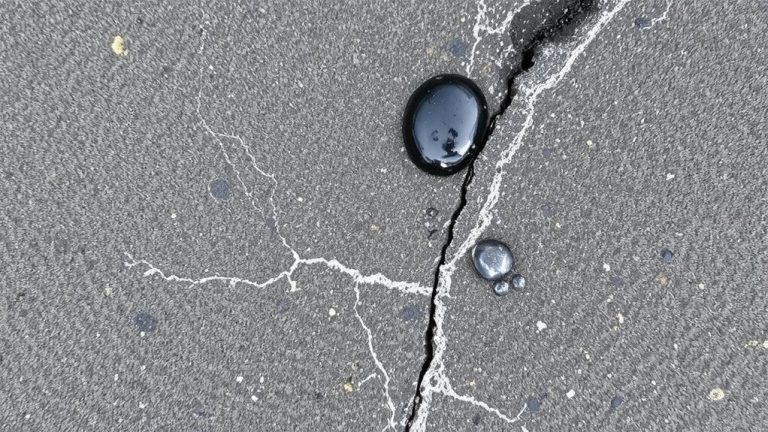
By slashing surface tension by up to 50%, wetting agents supercharge cleaner penetration—here’s how to harness them without leaving residue.
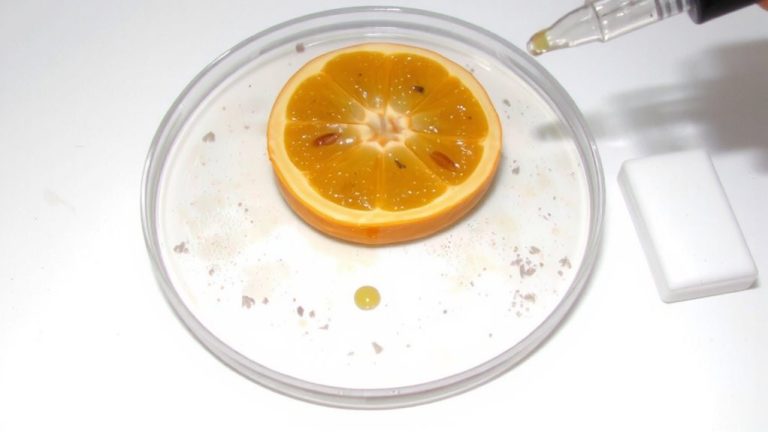
Though marketed as nature’s disinfectant, most grapefruit seed extract products hide synthetic chemicals—discover what lab tests reveal about their true biocidal power.

Storing it properly prevents premature breakdown—discover the surprising science behind its safe decomposition and how to harness its full cleaning potential.

Fewer fumes, clearer air—discover how low-VOC cleaners slash headaches and breathing problems with safer, effective alternatives you’re not using yet.
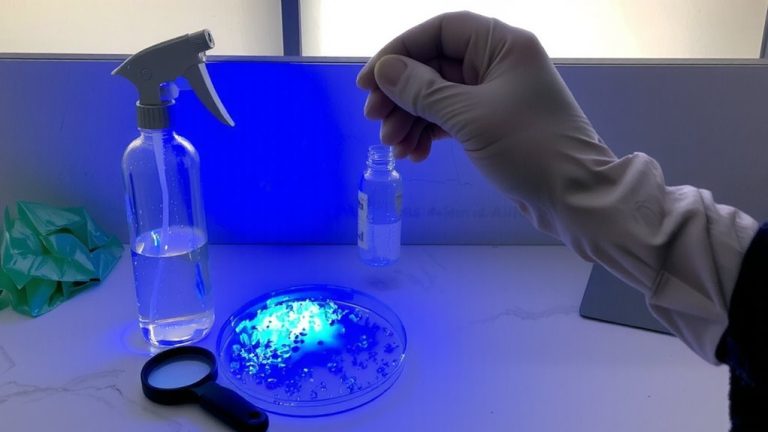
Nearly odorless doesn’t mean phthalate-free—discover how hidden chemicals sneak into unscented cleaners despite label claims.
Some SDS sheets reveal hidden dangers of chronic exposure—you won’t believe what long-term contact can do.
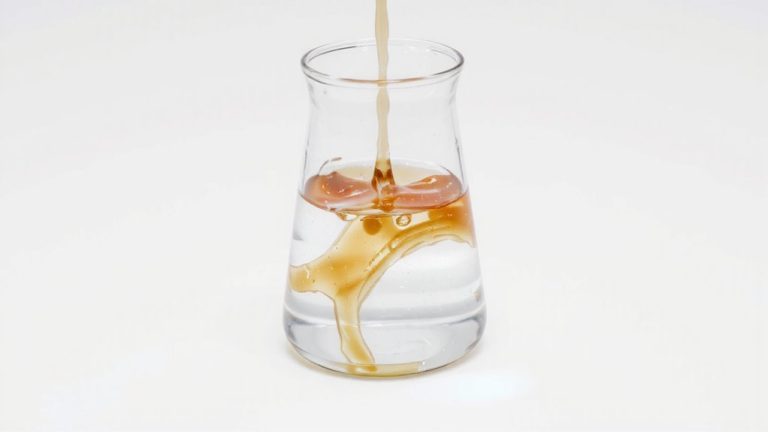
No ordinary mix—discover the hidden science behind how emulsifiers force oil and water to blend seamlessly in multipurpose sprays.

Not all labels reveal what’s hiding in your cleaner—discover why CAS numbers uncover the truth behind the ingredients.
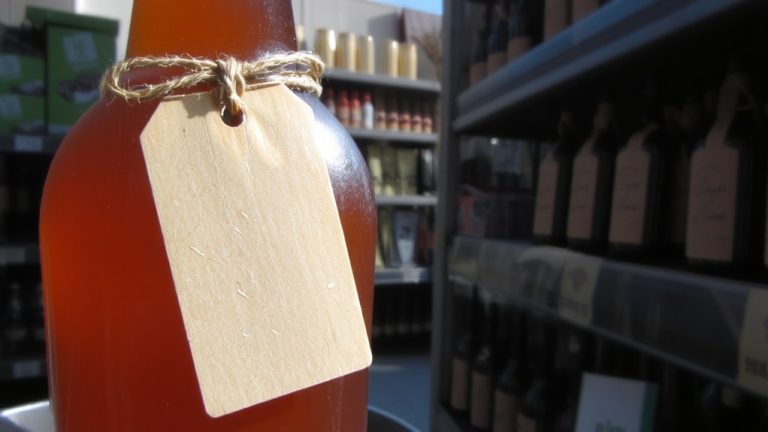
Knowing what hides behind “all-natural” labels might shock you—because that claim guarantees nothing about safety or strength.
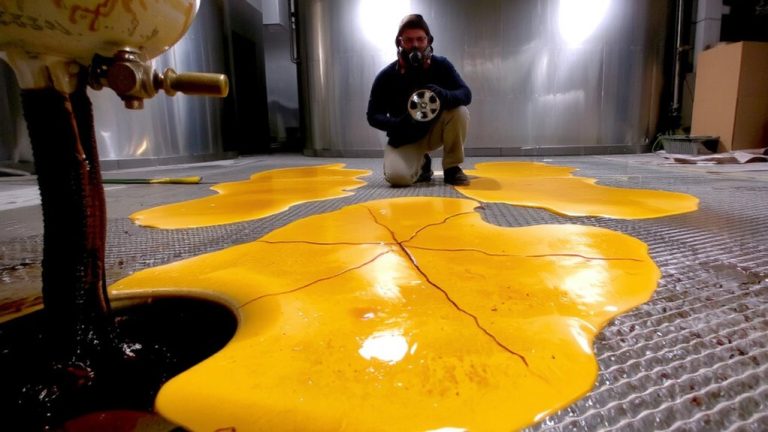
While ethanolamines boost cleaning power by stabilizing pH, their hidden inhalation risks in confined spaces may surprise you—discover safer alternatives that don’t compromise performance.