Are Fragrance Allergens Listed Under EU Regulations Fully Transparent?
Certainly, but hidden allergens lurk beneath EU labels—discover what’s really in your cleaner’s scent.
Certainly, but hidden allergens lurk beneath EU labels—discover what’s really in your cleaner’s scent.

Disinfectants demand precise contact times to truly eliminate germs—stop cutting corners or risk leaving dangerous microbes behind.
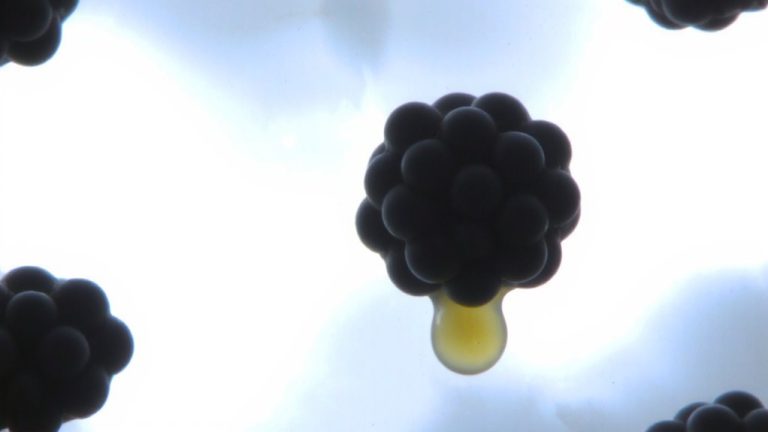
Dawn Ultra forms micelles at just 1.4 mM, and above 0.5% sodium lauryl sulfate they strip up to 90% of oil in under 3 minutes. See the science behind the numbers.
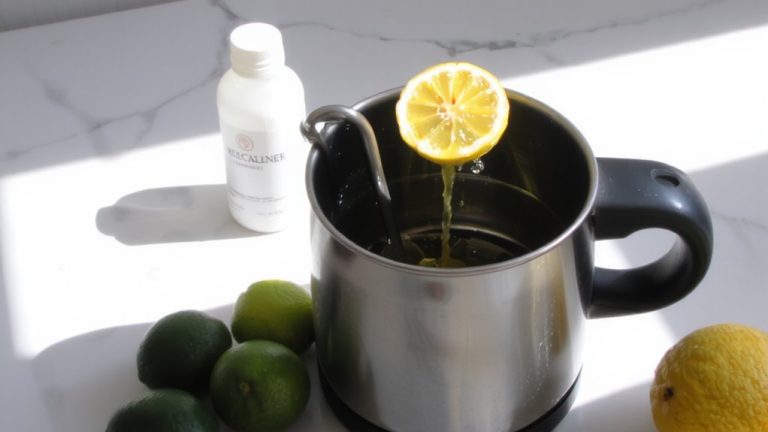
Just because lemon juice is natural doesn’t mean it’s safe for all surfaces—discover where it works and where it could ruin your finish.
Hundreds of cleaners fail with hot water—here’s why cold is crucial for maximum power and longevity.
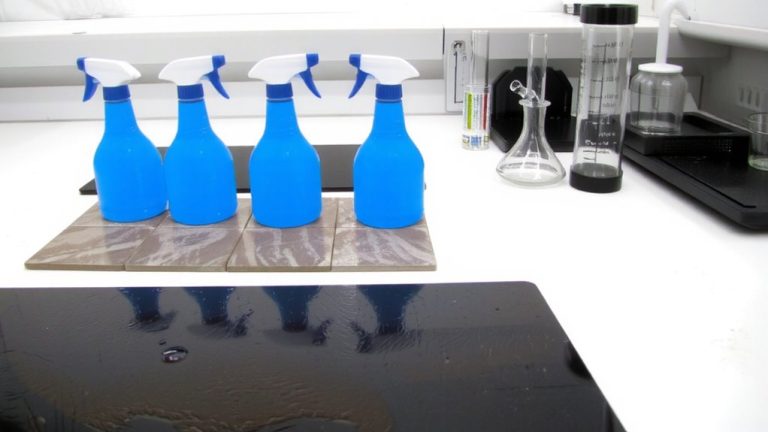
Because the right dilution ratio transforms cleaning power and slashes costs—discover how chemistry and precision save more than just time.
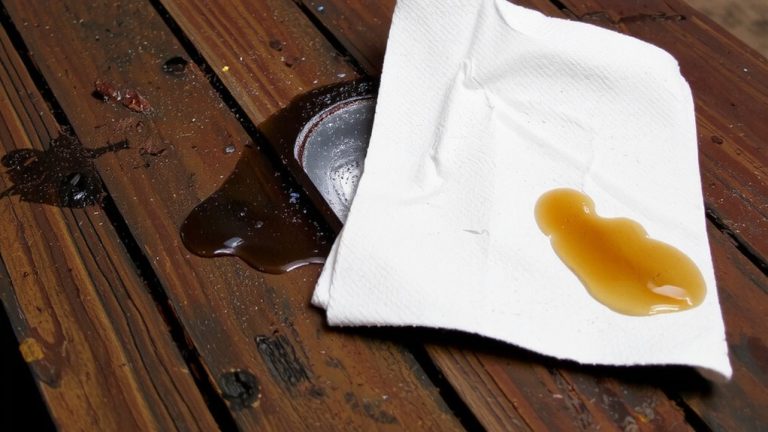
There’s a surprising alternative to petrochemical solvents that’s safer, faster, and just as effective—discover what it is.
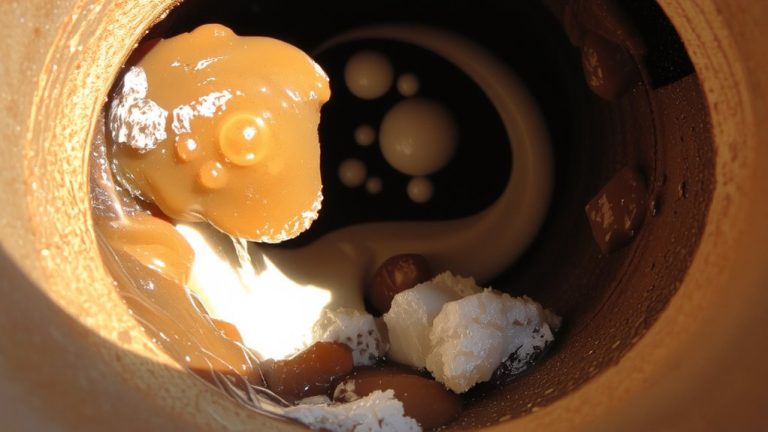
Enzymatic cleaners need 24-48 hours and pH 6.5-8.5 to digest clogs, while lye like Drano Max Gel works in 15-30 minutes. See which suits your drain and pipes.
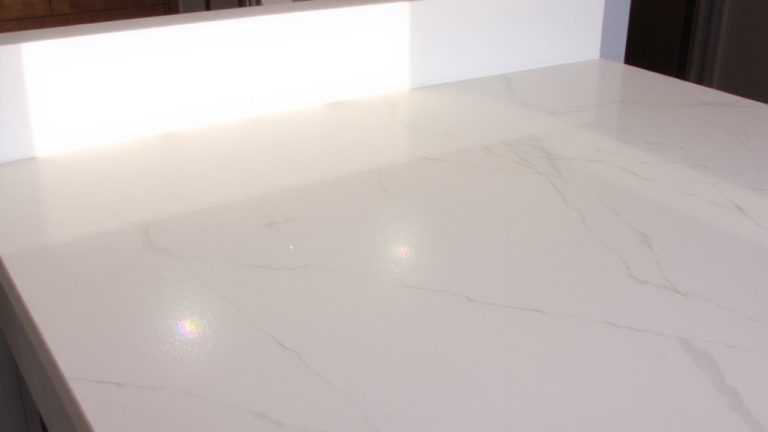
A hidden film from common cleaners could be dulling your surfaces—discover what’s really causing the haze and how to stop it for good.
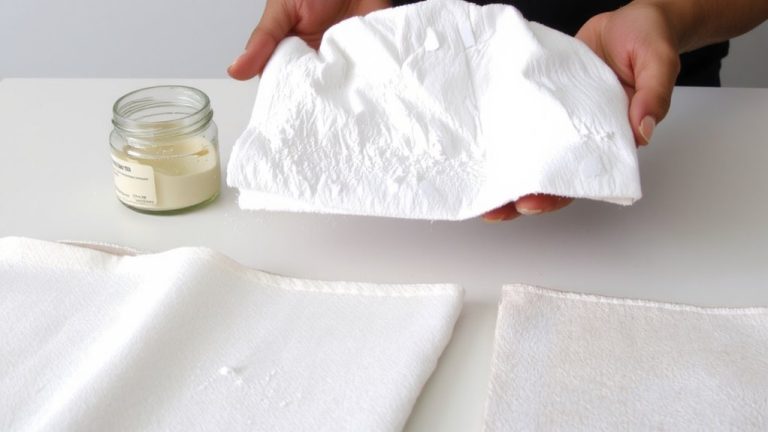
Try cornstarch instead of harsh scouring creams—it lifts most grease safely and cheaply, but there’s one catch you’ll want to know before switching.