Best Way to Get Paint Splatter off Hardwood Floors
Act fast on wet paint-it’s key to removing up to 95% of latex before it bonds. Blot with a soft cloth, wiping from the edge inward using gentle circles. Identify the paint: test with rubbing alcohol or warm water to tell if it’s water- or oil-based. For water-based spills, clean with warm water and a few drops of dish soap on a microfiber cloth, following the grain. If it’s oil-based, use mineral spirits, let it sit 5–7 minutes, then wipe clean. Scrape gently with a credit card or plastic scraper if needed, avoiding excess moisture to prevent warping. Try a mix of three parts rubbing alcohol and one part lemon juice for sticky residue. Work in a well-ventilated space, and always test cleaners in a hidden spot first. Use WOCA Natural Soap afterward to refresh and protect the finish. Smart moves now keep your floors looking new-discover how each step makes a difference.
We are supported by our audience. When you purchase through links on our site, we may earn an affiliate commission, at no extra cost for you. Learn more. Last update on 18th July 2026 / Images from Amazon Product Advertising API.
Notable Insights
- Act quickly on wet paint spills using a soft cloth to absorb excess and prevent bonding with the hardwood finish.
- Identify paint type with a rubbing alcohol or warm water test to choose the correct removal method safely.
- Remove water-based paint with mild dish soap and warm water, scrubbing gently along the wood grain.
- Treat oil-based paint with mineral spirits or paint thinner, letting it sit briefly before wiping in a ventilated area.
- For stubborn residue, use a plastic scraper, alcohol-lemon solution, or low heat from a hair dryer to lift paint gently.
Act Fast: Remove Wet Paint Before It Dries
While time is your biggest ally in tackling paint spills, acting fast means you can remove up to 95% of wet latex paint before it bonds with your hardwood’s finish. When you spot wet paint spills, act fast-don’t wait. Clean immediately with a soft, absorbent cloth to soak up excess paint, starting at the outer edge and working inward using gentle circular motions. This keeps the spill from spreading and lifts latex paint efficiently. Then, mix a few drops of mild dish soap with warm water and dip a microfiber cloth into the solution. Wipe the area lightly, avoiding excess moisture that could warp wood. Testers found this method removes nearly all fresh paint without dulling finishes. For best results, always use a clean microfiber cloth and replace it if it becomes paint-laden. Acting within minutes makes all the difference.
Identify the Paint Type: Oil or Water-Based?
You can save your hardwood floor from damage by correctly identifying the paint type before cleaning, and it’s easier than you think. To identify whether you’re dealing with oil-based paint or water-based, start by checking the product label from the original can. No label? Try the rubbing alcohol test: dampen a cotton ball with isopropyl alcohol and rub a small area. If paint dissolves, it’s water-based; if not, it’s likely oil-based paint. For water-based, you’ll often see paint residue on the cotton ball. Misidentifying can harm your floor during Remove Paint from Hardwood attempts, so accuracy matters.
| Test Method | Result Indicates | What You See |
|---|---|---|
| Check product label | Water-based or oil-based | Clear paint type listed |
| Rubbing alcohol | Water-based | Paint softens, cotton ball picks up residue |
| Rubbing alcohol | Oil-based paint | No change, paint stays firm |
| Warm water test | Water-based | Paint softens quickly |
| Warm water test | Oil-based paint | No softening occurs |
Remove Water-Based Paint With Dish Soap & Water
If you’ve confirmed the paint splatter on your hardwood floor is water-based-thanks to a quick test with rubbing alcohol showing residue on the cotton ball-you’re in luck, because removing it is simple and safe with everyday ingredients. To remove water-based paint from hardwood floors, mix two cups of warm water with a few drops of mild dish soap. Gently scrub the spot using dish soap and a microfiber cloth, always following the wood grain. Once the paint loosens, wipe the area with a dry rag. For any leftover film, try gently scraping with a plastic scraper or even a credit card, using minimal pressure to avoid damaging the hardwood flooring. Finally, wipe the area with a clean, water-dampened cloth to remove soap traces and prevent buildup. This method is effective, gentle, and keeps your floors looking pristine without harsh chemicals.
Use Solvents for Tough Oil-Based Paint Spots
Not all paint splatters respond to dish soap and water, especially when you’re dealing with oil-based paint that’s dried into the wood grain. Confirm it’s oil-based by dabbing rubbing alcohol on a cotton ball-if the paint doesn’t dissolve, you’ll need a remover or thinner. Using chemical solvents like paint thinner or mineral spirits, apply directly to the dried paint with a clean rag. Let it sit 5–7 minutes to soften the paint, then gently wipe to remove the paint. Always work in a room that is well-ventilated to avoid fumes. Avoid using harsh strippers on waxed or shellac-coated floors-they can damage the finish.
| Solvent | Use Case |
|---|---|
| Rubbing alcohol | Test for oil-based paint |
| Paint thinner | Strong dried paint removal |
| Mineral spirits | Less odor, effective remover |
| Chemical stripper | Last resort, use cautiously |
| WOCA Cleaner | Post-cleaning wood protection |
Finish by wiping with a damp cloth and WOCA Natural Soap.
Gently Scrape or Dissolve Stubborn Residue
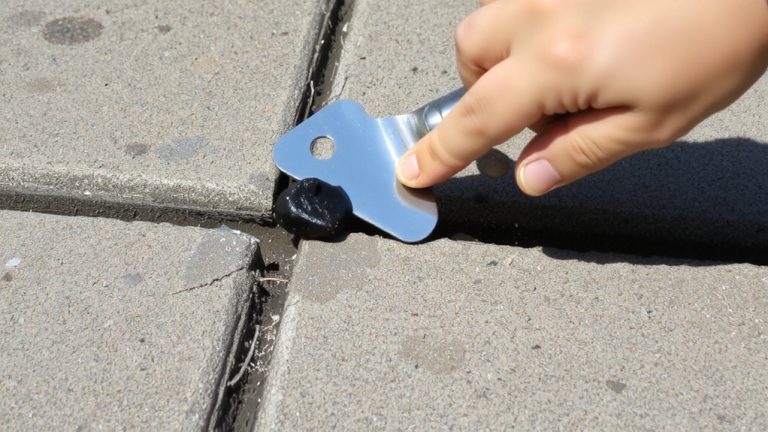
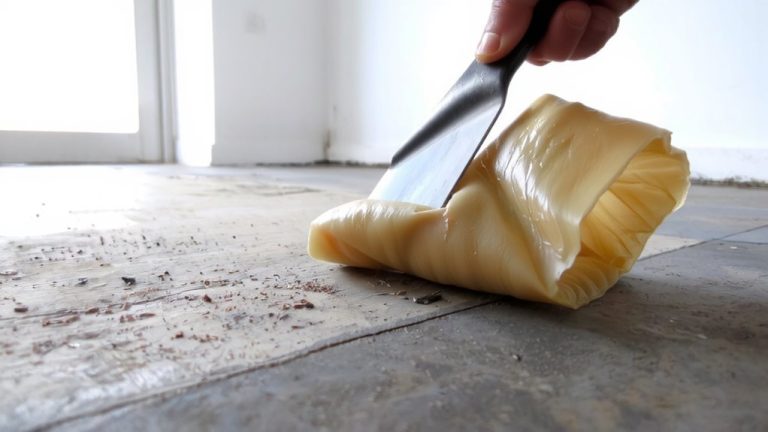
When paint lingers despite initial cleanup, a careful scraping or dissolving approach can safely remove what’s left without harming your hardwood. Use a thin plastic scraper or old credit card to gently scrape dried paint, applying minimal pressure to avoid scratches. For tougher spots, mix three parts rubbing alcohol and one part lemon juice, let it sit five minutes, then wipe with a microfiber cloth or soft toothbrush to dissolve residue. If paint spills remain, warm them with a heat gun on low or a hair dryer held several inches away to soften before you scrape away. When using a chemical paint remover, test it first in a hidden area and choose water-based formulas for waxed or shellac-finished floors. After removing paint from hardwood, wipe the area with a damp microfiber cloth to remove any leftover cleaner and prevent film.
Clean, Refresh & Protect Your Hardwood Floor
Once you’ve tackled the paint splatter, it’s time to bring your hardwood back to life by giving it a proper clean, renew, and protective boost. Start by using WOCA Natural Soap, a wood-safe, professional-grade cleaner that removes residual film without harming the finish. Dilute as directed, then wipe in direction of grain to avoid micro-scratches and guarantee even coverage. This step cleans deeply while preserving the floor’s natural look. Next, renew oiled surfaces with WOCA Oil Refreshing Soap-it cleans, reinvigorates, and helps protect by restoring shine and adding a subtle protective layer. Always allow to dry completely-about 1–2 hours-before walking on the floor. Regular use of these targeted hardwood treatments prevents buildup, reduces future strain on the surface, and keeps your floors looking freshly maintained with minimal effort.
On a final note
Act fast, and you’ll save your hardwood-most wet paint wipes up with just soapy water. For oil-based spills, use mineral spirits on a soft cloth, then rinse. Always spot-test cleaners first. Testers found that scraping gently with a plastic razor blade removes dried specks without scratches. After cleanup, restore shine with a pH-balanced wood floor cleaner. Protect long-term with Bona Hardwood Floor Polish, which adds a scuff-resistant layer.