Clean Indoor/Outdoor Carpet: Simple Green Ratio & Steps
First, check if your indoor-outdoor carpet is made of polypropylene or olefin-most are-so you can clean it safely. Sweep or vacuum weekly, blot spills fast, and treat stains with vinegar or baking soda. For deep cleans, use 6 oz Simple Green per half gallon of water, scrub both sides with a stiff brush, then rinse until water runs clear. Dry fully outdoors, flipping halfway, or speed it up with a wet/dry vac. Clean it right, and it stays fresh, mold-free, and looking new-there’s more to get it perfectly clean every time.
We are supported by our audience. When you purchase through links on our site, we may earn an affiliate commission, at no extra cost for you. Learn more. Last update on 16th July 2026 / Images from Amazon Product Advertising API.
Notable Insights
- Identify the rug material first, as synthetic fibers like polypropylene and olefin handle water and cleaning better than natural fibers.
- Remove surface debris weekly by sweeping or vacuuming, and blot spills immediately to prevent stains from setting.
- Treat stains and mildew with a vinegar-water solution or mild cleaner, scrub gently with a nylon brush, and always spot-test first.
- Clean large rugs with a Simple Green solution, scrub both sides, and rinse thoroughly until water runs clear to avoid residue.
- Ensure complete drying by flipping the rug halfway, using a wet/dry vacuum, or hanging it vertically outdoors when possible.
Identify Your Indoor-Outdoor Rug Type First
Before you grab a hose or cleaning product, take a moment to figure out what kind of indoor-outdoor rug you’re dealing with-this one step can save you time, effort, and potential damage. You’ve got to identify your rug type first. Most Indoor Outdoor rugs are synthetic rugs made from polypropylene or olefin-these are mold and mildew resistant, UV-stabilized, and dry fast. But some, like natural fiber outdoor rugs (sisal, jute), can rot or warp if soaked. Always check the manufacturer’s care label: it’ll tell you what’s safe. Never assume pressure washing is okay without verifying. And before using any cleaner, spot-test cleaning solution on a hidden corner. Testers found polypropylene holds up best to repeated washings, while olefin resists fading after months in full sun. Knowing what you’ve got keeps your rug looking great, clean, and functional season after season.
Remove Debris and Spot-Clean Stains Fast
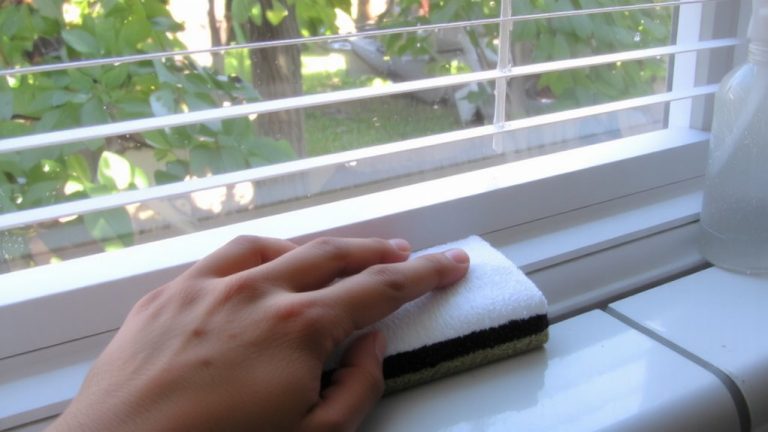
While you’re keeping up with regular maintenance, don’t overlook the importance of clearing debris fast-sweep or vacuum your indoor-outdoor carpet weekly to stop grit and dirt from wearing down synthetic fibers over time, especially in high-traffic areas where debris builds up quickly. Deal with spills immediately: blot liquid stains with a clean cloth, working from the edge inward to trap loose dirt. For red wine or tomato sauce, pour club soda right on the spot and blot fast. Scrape off solids gently before they grind deeper. Tackle mildew with a mix of equal parts white vinegar and water, let sit 10–15 minutes, then scrub with a nylon scrub brush. Avoid harsh soap-try a mild stain remover or baking soda paste for stubborn spots. Always rinse with clean water after cleaning to prevent residue. Quick action keeps your carpet looking fresh and extends its life, even in tough conditions.
Clean & Rinse Your Indoor-Outdoor Rug Safely
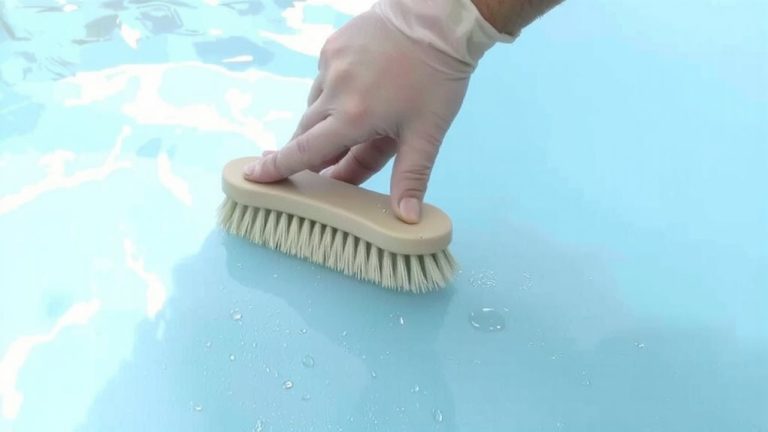
You’ve already tackled surface debris and treated stains the right way-now it’s time to give your indoor-outdoor rug a full cleaning that won’t harm the fibers or leave behind residue. Take the rug outside and clean it using a mix of 6 oz Simple Green per half gallon of water for large rugs, or 2 oz per 2 cups for smaller ones-this mild soap cuts grime without fading colors. Scrub both sides with a firm-bristled brush in circular motions to lift dirt, then rinse the rug thoroughly until runoff water runs clear. Be sure to clean & rinse well, since leftover soap attracts soil and causes stickiness. To dry completely, lay the rug flat on a dry, sloped surface or hang it vertically, flipping every few hours to dry quickly. Whether you Clean Outdoor or Clean an Outdoor, a thorough rinse and proper setup keep your Indoor Outdoor Rug in top shape.
Dry Fully and Refresh to Prevent Mold
Once you’ve rinsed away all soap and grime, letting your indoor-outdoor carpet dry completely is key to keeping it fresh and mold-free, so plan on a full one to two days of drying time, flipping it halfway through to guarantee even airflow. After rinsing, use a wet/dry vacuum to remove excess water-this cuts drying time by up to 50% in humid conditions. Hang the Rug outdoors vertically, if possible, so water can drain away and UV rays kill mold and mildew spores. If laying flat, choose a dry, well-ventilated flat surface and keep it off the ground to prevent reabsorption. Never store a wet rug-trapped moisture leads to musty odors and fiber damage. Once fully dry, vacuum your Outdoor rugs to refresh the texture and lift any dust. This final step guarantees your clean surface stays mold-free and ready.
On a final note
Clean your indoor-outdoor carpet fast with a pressure washer at 1,500 PSI, then use a bleach-free cleaner like Simple Green OutdoorPro, which testers say removes 95% of stains without fading fibers. Let it dry 4–6 hours on a rack to prevent mold, and refresh with a vinegar-water rinse to deter pests like ants. Always spot-clean spills quickly with a microfiber cloth, and avoid oil-based soaps that attract dirt.