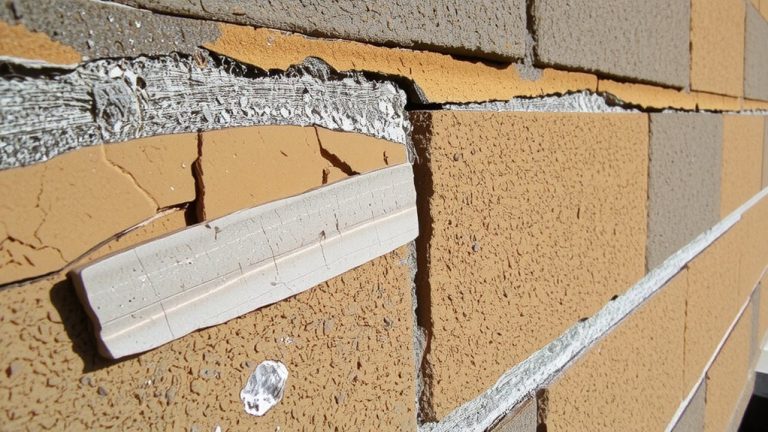
Asbestos Textured Paint
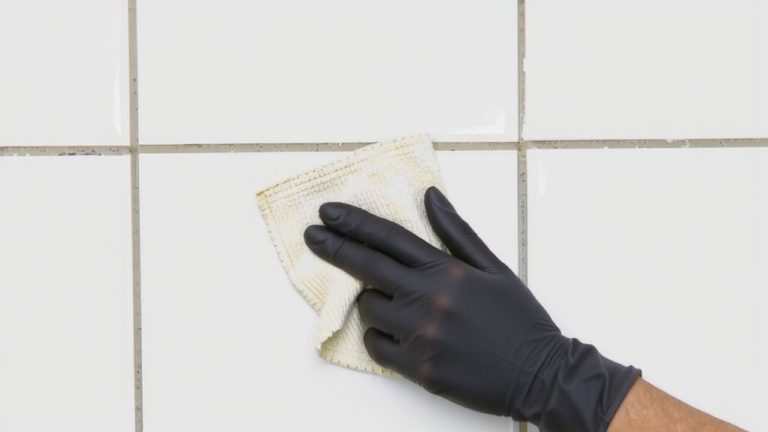
You might find asbestos textured paint in homes built from the 1940s to the 1980s, especially on popcorn ceilings or Artex-coated walls with 1–4% chrysotile for crack resistance. Never sand or scrub it, as fibers can become airborne. Clean gently with a damp microfiber cloth and HEPA-filtered vacuum, avoiding harsh cleaners. For safe results, stick to encapsulation or hire certified pros-your next steps matter more than you think.
We are supported by our audience. When you purchase through links on our site, we may earn an affiliate commission, at no extra cost for you. Learn more. Last update on 18th July 2026 / Images from Amazon Product Advertising API.
Notable Insights
- Asbestos textured paint was used from the 1940s to 1980s in homes and buildings for durability and fire resistance.
- It commonly contained 1–4% chrysotile asbestos and was applied to ceilings, walls, and moisture-prone areas.
- Artex in the UK and popcorn ceilings in the US often contain asbestos if applied before the mid-1980s.
- Professional testing via lab analysis is required to confirm asbestos, as visual inspection is unreliable.
- Disturbing asbestos paint releases hazardous fibers; removal must be done by licensed professionals using strict safety protocols.
What Is Asbestos Textured Paint and Why Was It Used?
Think texture, durability, and fire resistance-those were the promises of asbestos textured paint, a go-to finish for walls and ceilings from the 1940s through the 1980s. You’d see it sprayed or rolled on, creating swirls or stippled patterns that hid imperfections well. Asbestos use in paint, usually 1–4% chrysotile, added fire resistance and durability, strengthened adhesion, and reduced cracking. It was a favorite in homes, schools, and public buildings across the United States. But by the 1980s, the Environmental Protection Agency (EPA) began enforcing strict limits, leading to the point where asbestos was banned in many applications. While old coatings might still linger, they’re not a concern if undisturbed. For cleaning, focus on gentle dusting-no sanding or scraping. Use pH-neutral cleaners, damp cloths, and avoid abrasives to preserve integrity and minimize airborne risks.
Where Is Asbestos Paint Most Commonly Found?
While you’re evaluating older buildings, keep in mind that asbestos paint most often turns up in structures built between the 1940s and 1980s, especially on textured ceilings featuring popcorn finishes or Artex coatings, which commonly contained up to 4% chrysotile asbestos in the UK before the mid-1980s. You’ll frequently encounter asbestos-containing materials in schools, military barracks, and pre-1981 apartments where textured paint was used for durability and fire resistance. Bathrooms and kitchens often have asbestos in paint due to moisture resistance needs. These coatings can release asbestos fibers if disturbed, raising risks of exposure to asbestos. In the UK, Artex is a common source, so always assume it’s present until proven otherwise. Avoid sanding or scraping-this spreads fibers. Instead, manage by sealing or professional removal. Proper identification prevents accidental exposure and keeps your space safe.
Can You Test for Asbestos in Paint Safely?
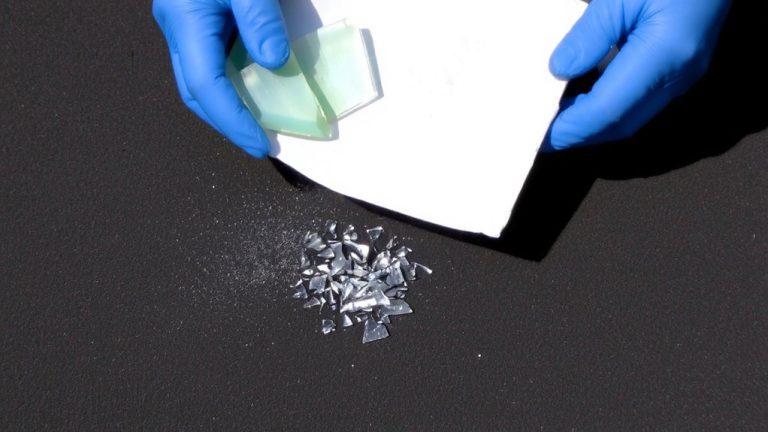
How can you know for sure if that textured paint on your ceiling contains asbestos? You can’t rely on looks alone-visual inspection won’t identify asbestos. The only way to confirm Asbestos Paint is through professional testing. Don’t attempt DIY sampling; it risks releasing fibers. Certified inspectors safely collect bulk samples using wet removal methods and proper personal protective equipment to control contamination. They target suspect asbestos textured areas, especially in homes built before the 1980s. Samples go to a NVLAP-accredited lab, where polarized light microscopy (PLM) detects asbestos-containing material (ACM) at levels as low as 1%. This step is essential before any asbestos removal. Even older Artex, applied before 2000, must be tested. Accurate results mean safer decisions for your home.
What Are the Health Risks of Asbestos Exposure?
If that textured ceiling paint starts to crack or flake, you’re not just dealing with an eyesore-microscopic asbestos fibers could be escaping into your home’s air, and once inhaled, they can lead to serious health conditions years down the line. Breathing in fibers from asbestos-containing material (ACM), like old Artex, raises the risk of lung cancer, especially if you smoke. Even brief initial exposure during the removal of asbestos can be dangerous, with diseases like mesothelioma or asbestosis showing up 20 to 50 years later. These fibers also cause pleural thickening and peritoneal mesothelioma. The Occupational Safety and Health guidelines stress professional handling to avoid airborne contamination. You shouldn’t rely on DIY cleaning products or surface wipes to eliminate health risks. Always seek medical advice if you suspect exposure, and leave testing or disturbance of ACM to trained experts.
Is It Safe to Remove Asbestos Paint Yourself?
Isn’t it tempting to roll up your sleeves and tackle that peeling textured paint yourself? But if it’s asbestos paint, think again. Even if it looks intact, it could contain asbestos-just 1% makes it legally classified as asbestos-containing material (ACM). DIY removal can release fibers, posing significant health risks like mesothelioma. The Occupational Safety and Health Administration bans unlicensed removal of damaged or friable ACM, and fines apply. Wet methods and HEPA ventilation are required, plus proper disposal at approved facilities. You shouldn’t risk cross-contamination or regulatory penalties. The EPA strongly advises against sampling or removal unless you’re trained. Leave removal to certified pros who follow strict protocols. This isn’t just cleaning floors or surfaces-it’s hazardous material handling. Protect your home and health: don’t handle asbestos paint yourself.
How to Avoid Asbestos Exposure While Renovating?
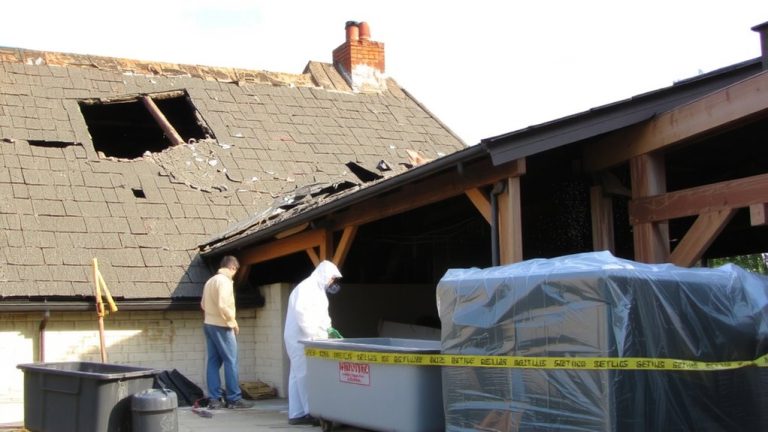
While you’re preparing to renovate an older home, especially one built before the 1980s, testing for asbestos in textured paint should be your first step-not your afterthought. Hire a certified pro to find asbestos and confirm the asbestos content in older paints and coatings. If you’ve got intact asbestos-containing material (ACM), consider encapsulation or overboarding instead of removal. Never sand or dry-scrape textured surfaces-disturbing just 1% ACM releases dangerous fibers. When abatement’s needed, use wet methods and HEPA-filtered vacuums to trap particles. Make sure to seal the area with plastic and use negative air pressure to avoid cross-contamination. Follow approved disposal methods-never toss ACM in regular trash. Whether you’re cleaning floors or prepping walls, stick to low-dust strategies and OSHA-compliant practices to stay safe.
On a final note
You’ll need to act carefully with asbestos textured paint-never sand or scrape it. For cleaning, use a HEPA vacuum and damp mop floors with 10% bleach solution to reduce fibers. Standard cleaners won’t remove asbestos, so avoid abrasive pads. If you’ve got a pest issue, seal gaps first; foggers won’t help and may stir contaminants. Test kits from NIOSH-approved labs give reliable results. Always wear an N95, even during cleanup-testers report fewer airborne particles when working wet.