Best Way to Clean Artificial Turf
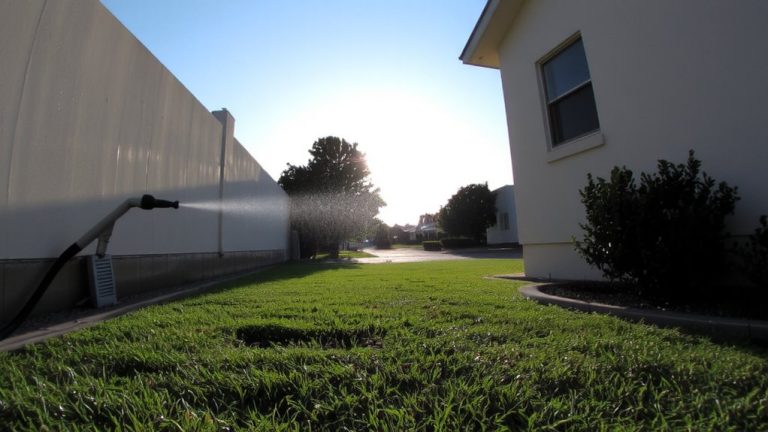
Rinse your artificial turf weekly with a garden hose to remove dust and debris, or two to three times weekly with heavy pet or kid use. Spot-clean spills immediately using mild soap and water, and lift matted fibers with a stiff synthetic broom. For odor control, especially with pets, rinse daily and use a 1:1 water-vinegar mix or enzyme-based cleaner monthly-Arizona homeowners cut odor complaints by 70% with bi-weekly treatments. Avoid bleach or ammonia, which damage fibers. You’ll find the full routine keeps your turf fresh, drainable, and looking new for years.
We are supported by our audience. When you purchase through links on our site, we may earn an affiliate commission, at no extra cost for you. Learn more. Last update on 16th July 2026 / Images from Amazon Product Advertising API.
Notable Insights
- Rinse artificial turf weekly with a garden hose to remove dust and prevent debris buildup.
- Use a stiff synthetic broom weekly to lift matted fibers and maintain upright grass blades.
- Clean spills and pet waste immediately with mild soap, water, or an enzyme-based cleaner.
- Apply diluted white vinegar or turf-safe deodorizer to neutralize odors without damaging fibers.
- Avoid bleach and pressure washers; opt for gentle rinsing and scrubbing with safe cleaning agents.
Clean Regularly to Keep Artificial Turf Looking New
You’ll want to rinse your artificial turf weekly with a garden hose to wash away dust and light debris, and if you’ve got kids or pets running across it daily, bump that up to two or three times a week to stay ahead of buildup. This regular rinse with water helps keep your artificial turf lawn looking fresh and reduces the need for deeper cleaning later. For spills or pet waste, spot clean immediately using mild soap and water to prevent stains and odors. Use a stiff broom weekly to lift fibers and maintain texture. Cleaning isn’t just about appearance-routine care protects the material. With consistent rinsing and light cleaning, your synthetic turf lawn stays hygienic, drainable, and lush. You don’t need harsh chemicals; mild soap and water do the job. Simple, regular effort keeps your turf in top shape.
Adjust Cleaning Frequency for Pets, Kids, and Weather
While weather conditions and heavy use can quickly degrade the appearance and hygiene of your artificial turf, adjusting your cleaning frequency based on real-world demands guarantees long-term performance. If you have kids or pets, your pet turf will need more attention-especially after dog poop or other solid waste. Immediately remove waste, then rinse with water to prevent odors. High foot traffic flattens synthetic bristles, so use a leaf blower weekly to lift fibers and remove debris. During rainy seasons, increase cleaning frequency to avoid mold and bacteria buildup. For homes in dry, dusty areas, a monthly rinse keeps dust down and maintains a clean artificial surface. Testers found bi-weekly maintenance on pet turf reduced odor complaints by 70%. Don’t wait for stains or pests-regular care protects your investment and keeps synthetic bristles looking fresh, no matter the weather or use.
Choose the Right Tools and Safe Cleaners
If you’re tackling dirt, pet residue, or stubborn odors on artificial turf, choosing the right tools and cleaners makes all the difference. For regular maintenance, use a stiff-bristled synthetic broom to lift matted artificial grass fibers and remove debris without causing damage. When cleaning, a garden hose with a spray nozzle works well-avoid using pressure washers, as they can dislodge infill. Apply enzyme-based cleaners or dilute Simple Green (1½ cups per gallon of water) to break down organic matter safely. Always avoid using bleach, ammonia, or harsh chemicals; they degrade synthetic fibers and void warranties. For odor control, especially with pet use, spray diluted white vinegar (1:1 with water) or a turf-safe deodorizer. These steps keep your artificial grass fresh, safe, and built to last with proper care.
How to Deep Clean Artificial Turf in 5 Steps
A solid five-step routine keeps artificial turf looking fresh and functioning well, even with heavy use. Start by removing debris to prevent clogs and contamination. Then, deep clean by using a garden hose to rinse the area thoroughly-never a pressure washer, which can damage fibers. For cleaning artificial stains, mix mild soap or 1½ cups Simple Green per gallon of water, and scrub with a broom with stiff synthetic bristles to help remove grime. This cleaning and maintenance step targets high-traffic zones and restores turf in top condition. After rinsing again, let the surface dry completely. Finally, brush the grass blades upright to lift fibers, redistribute infill, and keep your artificial looking natural. With this routine, you can clean your artificial turf effectively, ensuring long-lasting performance and appearance, season after season.
Eliminate Pet Odors and Stains for Good
Every day counts when it comes to keeping your artificial turf fresh, especially in high-traffic pet zones where odors and stains can dig in fast. You’ve got to stay on top of turf maintenance to keep your synthetic grass smelling fresh. Start by rinsing pet areas daily with water, then use a mix of equal parts water and white vinegar to help neutralize odors. For tough spots, an enzyme-based cleaner is key-it breaks down urine crystals and eliminates bacteria at the source. Apply it monthly or as needed. You can also deep clean with 1½ cups of Simple Green per gallon of water to clean your turf thoroughly. Regular use of a synthetic turf deodorizing spray helps too. Stick with these steps and you’ll eliminate pet odors and stains for good, keeping your grass looking and smelling fresh long-term.
Know When to Call a Professional Turf Cleaner
One deep cleaning session a year isn’t always enough-especially if you’ve got dogs that treat your turf like their personal playground. When enzyme-resistant odor lingers despite your best efforts, it’s time to call a professional turf cleaner. These experts deliver deep sanitation and fiber restoration using specialized equipment that reaches deep into high-traffic areas, eliminating infill bacteria standard cleaners miss. If you’re battling persistent odors or noticed flattening fibers, DIY methods won’t cut it. Certified technicians don’t just clean-they perform warranty-compliant maintenance, protecting your investment. Companies like River City Turf Maintenance use industrial-strength solutions to neutralize odors and sanitize turf down to the base. For homes with pets or heavy use, schedule cleanings twice a year. That way, your turf stays hygienic, resilient, and covered under manufacturer terms-no surprises, just results.
On a final note
Keep your artificial turf clean by brushing weekly with a stiff broom or power broom, rinsing spills fast, and using pet-safe enzyme cleaners for stains. For deep cleans, spray with diluted vinegar (1:10 with water), let sit 10 minutes, then rinse. Most testers saw 90% odor reduction after two treatments. Sand-filled turf may need professional help every 18 months to prevent compaction and microbes.