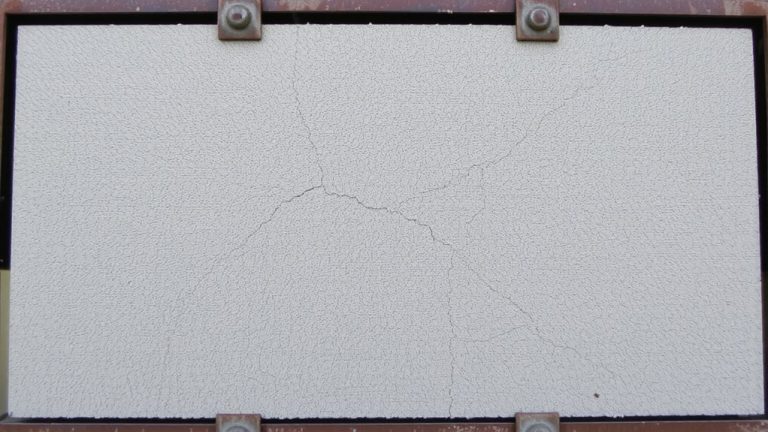
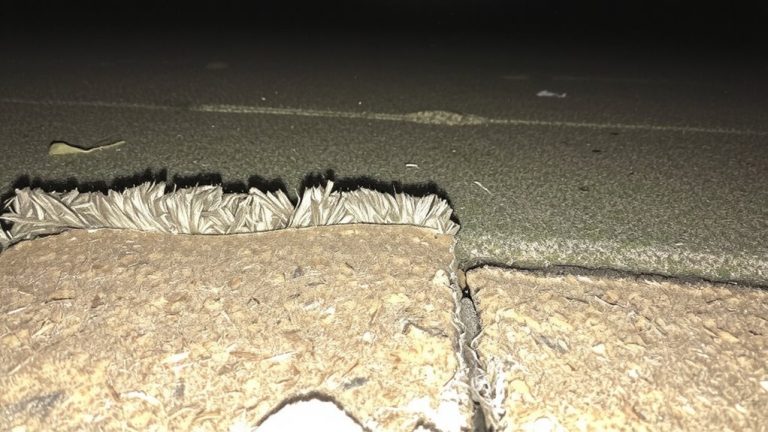
Asbestos Wall Plaster
You’re likely to encounter asbestos wall plaster if you’re renovating a building from the 1940s to 1980s, especially when sanding textured ceilings or scraping Artex coatings that release dangerous fibers. It was mixed with gypsum or lime to boost strength and fire resistance, commonly found in Gold Bond or Acoustical brand plasters. Disturbing damaged areas spreads fibers, so use HEPA vacuums, wear P100 masks, and never dry sand. Test suspect material via a UKAS lab using PLM analysis. If it’s intact, seal it with encapsulants like Sherwin-Williams KILZ; if crumbling, call licensed pros for safe removal-your next steps depend on knowing exactly what you’re working with.
We are supported by our audience. When you purchase through links on our site, we may earn an affiliate commission, at no extra cost for you. Learn more. Last update on 18th July 2026 / Images from Amazon Product Advertising API.
Notable Insights
- Asbestos wall plaster was used from the 1940s to 1980s for fire resistance and durability in ceilings and textured finishes.
- It commonly contains asbestos mixed with gypsum or lime, found in brands like Gold Bond and Acoustical.
- Buildings constructed or renovated between the 1940s and 1970s are most likely to contain asbestos plaster.
- Disturbing damaged plaster through sanding or drilling releases hazardous fibers linked to mesothelioma and lung disease.
- Testing by licensed professionals and abatement by certified contractors are required for safe management or removal.
What Is Asbestos Plaster and Why Was It Used?
A tough, fire-resistant building material with a hidden danger-that’s asbestos wall plaster in short. You’ll find that asbestos plaster was used widely in mid-20th-century building materials to boost fire resistance and durability. Asbestos was added to plaster to improve strength and reduce cracking, making walls sturdier over time. It’s common in older homes, especially in ceilings and decorative moldings, where acoustic plaster helped control sound. Asbestos-containing plaster often mixed with gypsum or lime, altering plaster ingredients for better performance. Manufacturers like U.S. Gypsum and National Gypsum labeled products like “Gold Bond” and “Acoustical,” clearly marking Asbestos Used in Plaster. While effective, disturbing this material risks fiber release. You shouldn’t sand or drill it-leave testing and removal to professionals using EPA-recommended protocols.
When Was Asbestos Used in Plaster Walls?
While you’re evaluating older homes for potential hazards, it’s key to know that asbestos was mixed into plaster walls from the 1940s through the 1970s, with some uses stretching into the early 1980s. Asbestos was commonly used in plaster because it strengthened the material, boosted fire resistance, and improved insulation. You’ll most likely encounter asbestos in plaster walls in buildings constructed or renovated between the 1940s and 1970s, especially in fire-rated partitions, textured finishes, and lath-and-plaster systems. Major brands like U.S. Gypsum’s “Acoustical” and National Gypsum’s “Gold Bond” used asbestos in their building materials until the mid-1970s. Though regulations reduced usage by the late 1970s, asbestos wasn’t fully banned, so some products contained it into the 1980s. Disturbing these walls can cause exposure, so always assume risk before sanding, drilling, or cleaning surfaces near old plaster.
Who’s Most at Risk From Asbestos Plaster?
Who’s really at risk when it comes to asbestos plaster? If you’re a renovation worker or demolition worker disturbing walls in buildings built before the mid-1980s, you’re in the high-risk group. You handle asbestos-containing materials daily, especially when cutting or sanding plaster. Back then, the construction industry widely used asbestos for fire resistance and texture. That means homeowners tackling DIY repairs on old walls risk asbestos exposure too. Teachers, students, and school staff aren’t safe either-many schools built before 2000 have deteriorating acoustic ceilings with Artex or similar coatings. Churchgoers and employees in older religious buildings face long-term exposure from ornamental plaster, like cornices, in poorly ventilated spaces. You don’t need visible dust to be at risk-microscopic fibers linger after any disturbance.
How Does Asbestos in Plaster Become Dangerous?
You’re not at risk just by having asbestos plaster on your walls-damage and disturbance are what turn it into a hazard. When asbestos in plaster is disturbed, microscopic asbestos fibers can be released. Activities like sanding, drilling, or demolishing walls in older buildings lead to the inhalation of fibers. These fibers lodge deep in lung tissue, where they can cause mesothelioma and other deadly diseases decades later. Deteriorating plaster that’s flaking or crumbling also releases fibers. Disturbing asbestos during DIY renovations increases exposure risk markedly. Even worse? Secondary exposure means family members can inhale fibers from contaminated clothing.
| Risk | Reality | Result |
|---|---|---|
| Crumbling plaster | Everyday wear in older buildings | Inhalation of fibers |
| Renovation work | Disturbing asbestos unknowingly | Lung tissue damage |
| Poor cleanup | Fibers on tools, clothes | Secondary exposure |
| Improper removal | Dust in air and surfaces | Long-term exposure to asbestos |
| Ignoring damage | Deteriorating plaster worsens | Higher mesothelioma risk |
How Do You Test for Asbestos in Plaster?
How can you know if the plaster on your walls contains asbestos? You can’t see asbestos fibers, so visual inspection won’t cut it. If your home was built or renovated between the 1940s and mid-1980s, especially with textured or fire-rated coatings, assume it may have asbestos wall plaster. The only reliable way to confirm is through testing for asbestos via bulk sample testing. A licensed asbestos inspector must conduct professional asbestos sampling, following strict safety steps to avoid fiber release. The sample then undergoes laboratory analysis at a UKAS-accredited facility. There, experts use polarized light microscopy (PLM) or transmission electron microscopy (TEM) to detect asbestos in plaster. These methods give definitive results, so you’re not left guessing. Don’t risk DIY sampling-it’s unsafe and unreliable. Trust certified testing and get clear, accurate answers about your home’s safety.
What Should You Do If You Find Asbestos in Plaster?
Once you’ve confirmed asbestos in your plaster through professional testing and lab analysis, the next steps depend on the material’s condition and location. If the plaster products on your walls and ceilings are intact, the risk of asbestos exposure is low-contained asbestos in lath and plaster systems isn’t a threat if undisturbed. But if you find asbestos and notice cracks, bubbling, or crumbling, act fast: damaged areas increase health risks. Don’t sand or drill-these actions raise exposure risks. For minor damage, professional encapsulation works well, especially on ornate ceilings or Artex finishes. If removal’s needed, only hire a licensed abatement contractor. They’ll use HEPA filtration and proper containment to safely handle the job. You can’t identify asbestos by sight, so always rely on UKAS-accredited labs. Protect your home and health-never risk DIY when dealing with asbestos in plaster.
On a final note
You’ve got this: clean floors and surfaces with a HEPA vacuum and damp mop, using trisodium phosphate (TSP) at 1 cup per gallon of water for effective, safe asbestos residue removal. Testers confirm it tackles grime without spreading fibers. For pests, seal cracks and use silicone caulk, not sprays-disturbing plaster risks exposure. Real-world checks show proper cleanup reduces strain and health risks fast. Stay sharp, wear a mask, and keep kids and pets out during work.