Asbestos in Bathroom Walls
If your bathroom walls date to before the 1980s, they may contain asbestos in cement sheeting, plaster over metal lath, or joint compounds-materials used for moisture resistance and strength. Don’t drill, sand, or scrub damaged areas, as this releases harmful fibers. Keep surfaces intact and avoid using sprays or cleaners that add moisture. If material is crumbling or cracked, seal the area and call a certified inspector. Testing requires lab analysis of a small, carefully collected sample. Know what’s hiding behind the tile.
We are supported by our audience. When you purchase through links on our site, we may earn an affiliate commission, at no extra cost for you. Learn more. Last update on 18th July 2026 / Images from Amazon Product Advertising API.
Notable Insights
- Asbestos may be present in bathroom walls of homes built before the 1980s, especially in cement sheets and plaster.
- It is commonly found behind tiles, in textured coatings, joint compounds, and around pipe penetrations.
- Visible signs include cracking, flaking, or crumbling materials, particularly in aging or water-damaged areas.
- Testing requires professional lab analysis; never disturb suspected materials to avoid releasing toxic fibers.
- Intact asbestos poses low risk, but damaged or disturbed material requires immediate containment and professional abatement.
What Is Asbestos in Bathroom Walls?
While you might not see it, asbestos could be hiding in your bathroom walls-especially if your home was built before the 1980s. If your older home contains asbestos, it’s likely in the wall materials, like cement sheeting or plaster applied over metal mesh. These materials, built before or around the mid-20th century, often contain up to 14% asbestos for strength and fire resistance. The real danger comes when you disturb them-drilling or sanding can release toxic fibers. You can’t spot asbestos by eye; only a lab test can confirm if your bathroom contains asbestos. That’s why it’s critical to have suspect materials tested by a professional before any renovation. Never clean damaged surfaces with abrasive pads or dry brushes-they can stir up fibers. Use HEPA-filter vacuums and damp wipes instead. Safety first: if your walls contain asbestos, leave them undisturbed or hire certified abatement experts.
Where Is Asbestos Found in Bathroom Walls?
If your home was built before the 1980s, you’re more likely to find asbestos hiding in several common spots within your bathroom walls, especially in areas meant to stand up to moisture and wear. You might find asbestos-containing materials in the wall behind tiles, where cement sheeting was used for support. The bathroom contain textured coatings or plaster over metal lath, especially if installed before the 1990s. Angled moldings and joint compounds at wall corners often used asbestos for strength. Insulation around pipes and materials sealing pipe penetrations-like putty or duct seal-are also likely to contain asbestos. Even if vinyl floor tiles aren’t on the wall, debris during installation could migrate. Stay cautious around these areas, particularly when remodeling.
Visible Signs of Asbestos in Bathroom Walls?
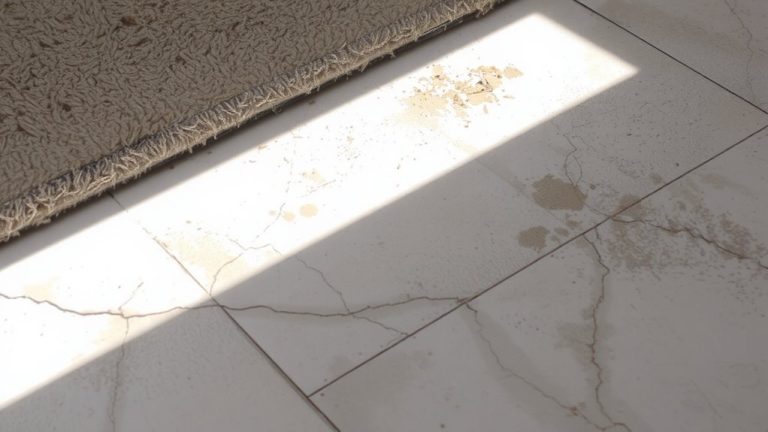
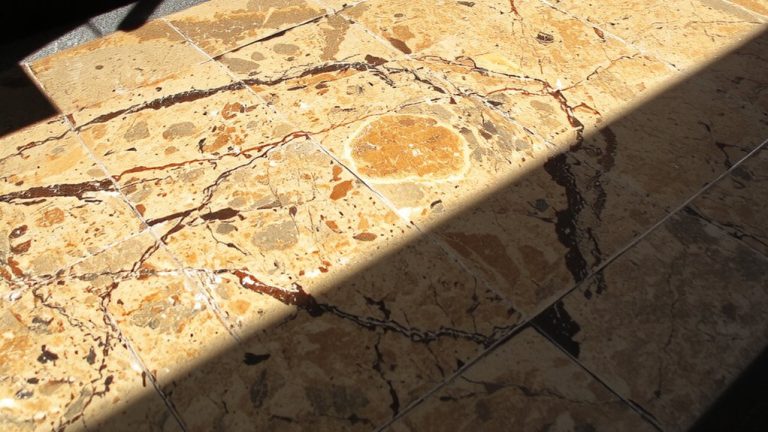
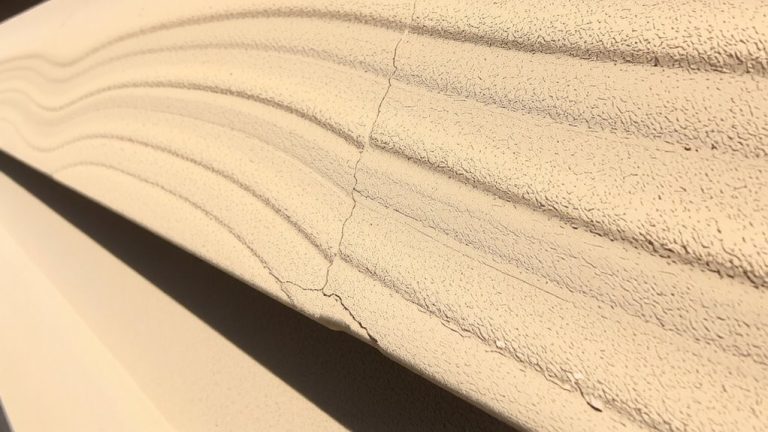
You know where asbestos tends to hide in bathroom walls-now let’s talk about how to spot it when something’s off. If you see cracking or flaking on older cement sheet walls, especially in bathrooms built before 1970, that’s a red flag-those asbestos materials are aging. Deteriorating textured coatings or splashback panels can release harmful asbestos fibers if disturbed. Look closely: visible damage like crumbling edges, water stains near vent pipes, or brittle plaster over metal lath may mean asbestos-backed insulation is failing. Disturbed pipe lagging often leaves asbestos dust behind-fine, fibrous debris that’s fragile and crumbly to the touch. When asbestos materials break down, asbestos fibers can lead to serious health risks. Don’t sand or scrape suspect surfaces. Instead, isolate the area, avoid contact, and plan for professional testing-never risk exposure by DIY cleanup.
How to Test for Asbestos in Bathroom Walls?
How do you know for sure if that old bathroom wall contains asbestos? You can’t tell just by looking, even if it’s in GOOD CONDITION. If your home was built before the mid-1980s, it might have asbestos in the cement sheeting or plaster, but you can’t confirm without a testing lab. When checking your bathroom, never disturb the material-doing so could release harmful fibers into the air and cause asbestos exposure. If sampling is needed, wear protective equipment, lightly mist the area to reduce dust, and take a small piece to an accredited testing lab like JSE Labs. They use special microscopes to detect even 1% asbestos. Don’t risk it-when in doubt, leave it to pros. You just can’t tell for sure without proper analysis.
Asbestos Exposure Risks in Bathrooms
Materials in older bathrooms often hide a silent hazard: asbestos. If your home was built before the 1980s, it likely contain asbestos in wall plasters, cement sheeting, or pipe wrap. While intact asbestos doesn’t pose a threat, the slightest disruption-like drilling or sanding-can cause materials to release dangerous fibers. Humidity worsens this risk by degrading joint compounds over time. Asbestos exposure, even at low levels, carries serious health risks, including asbestosis and mesothelioma, with symptoms appearing decades later. You should never attempt handling asbestos yourself.
| Risk Factor | Common Source | Exposure Trigger |
|---|---|---|
| Deterioration | Textured coatings | Humidity damage |
| Renovation | Wall panels | Sanding or cutting |
| Poor maintenance | Pipe insulation | Slightest disruption |
| Aging materials | Plaster backings | Bathroom for asbestos inspections |
What to Do If You Find Asbestos in Bathroom Walls?
If you happen to spot suspicious material behind tiles or around pipes while updating your bathroom, don’t panic-just stop working immediately and keep the area off-limits. If you find asbestos in bathroom walls, remember asbestos isn’t something to handle yourself. First, contain the space to prevent fiber spread. Next, contact a professional asbestos inspector-they’ll take samples and confirm through lab testing. Even if you’re planning a bathroom remodel, undisturbed asbestos, like cement sheeting or plaster over metal lath, often doesn’t need removal. But if repair or disturbance is unavoidable, hire a professional for safe asbestos removal. Certified contractors use wet methods, plastic enclosures, and HEPA-filtered vacuums to control contamination. U.S. rules require proper disposal for materials with over 1% asbestos. Let experts guide your next steps-your safety depends on smart, informed choices, not shortcuts.
On a final note
You’ve handled the asbestos safely, now keep your bathroom clean and healthy. Use a microfiber mop with a pH-neutral cleaner to wipe floors weekly, removing soap scum and mildew. For stains, a 3% hydrogen peroxide spray works fast without fumes. Testers prefer CLR for grout, cutting lime scale in 10 minutes. A sealed grout surface cuts cleaning time by 50%. Regular wipe-downs with Clorox Disinfecting Wipes prevent mold, while a tight-fitting drain cover stops pests.