Asbestos Carpet
Your carpet fibers are safe, but the underlay and adhesive underneath could contain asbestos, especially if your home was built before 1980. Grayish-blue recycled hessian or tan/brown pre-1978 glue are red flags. Don’t sand or dry-scrape-this releases harmful fibers. Use a HEPA vacuum and wet cleaning methods instead. Test suspicious materials with a $60 EPA-approved kit. For confirmed asbestos, pros recommend abatement by licensed experts. You’ll want to know exactly what types of flooring and cleanup strategies come next.
We are supported by our audience. When you purchase through links on our site, we may earn an affiliate commission, at no extra cost for you. Learn more. Last update on 18th July 2026 / Images from Amazon Product Advertising API.
Notable Insights
- Carpet fibers themselves do not contain asbestos, but underlying materials like underlay and adhesives may.
- Homes built or renovated before the 1980s are at highest risk for asbestos in carpet systems.
- Grayish or bluish recycled hessian underlay and tan/brown pre-1978 adhesives are common asbestos-containing materials.
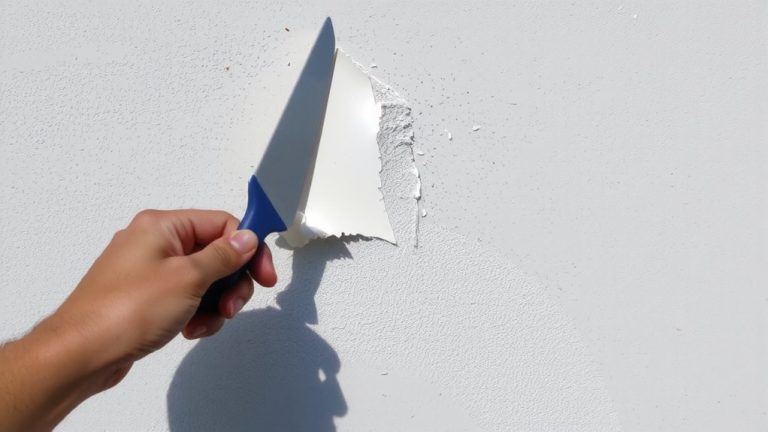
- Disturbing asbestos through sanding or scraping can release dangerous fibers, leading to serious lung diseases.
- Testing via EPA-approved lab is required to confirm asbestos; only licensed professionals should handle removal.
Is There Asbestos in My Carpet?
Could your carpet actually be hiding something risky underneath? While your carpet itself doesn’t contain asbestos, the carpet underlay or adhesives beneath-especially in homes built before the 1980s-might. The presence of asbestos in older underlays was possible due to recycled hessian bags that sometimes carried asbestos-containing materials. Adhesives with a yellow, tan, or brown tint used before 1978 often contained asbestos too. Even homes renovated through the late 1980s could have asbestos if old stock was used. Though UK authorities don’t list carpet underlay as a common source, the health risks from disturbing asbestos are real. Never sand or aggressively clean suspect areas. Use damp wiping with pH-neutral cleaners for surface care. If you’re removing old carpet, testing materials first keeps you safe.
Where Asbestos Hides in Carpet Systems
While you won’t find asbestos in the carpet fibers themselves, it can lurk beneath your feet in older homes-especially those built or updated before the 1980s-where the real risk lies in the underlay and adhesives used during installation. The carpet padding, often made from recycled hessian bags that once carried asbestos, may contain asbestos fibers. Adhesives used before 1980, typically yellow, tan, or brown, were common building materials that also included asbestos. Underlying vinyl or asphalt flooring beneath carpets can contain up to 70% asbestos and becomes dangerous when disturbed or damaged. Even if you spot a silver-like mesh underlay, it’s not usually asbestos. If you’re unsure, don’t risk it-hire a licensed asbestos professional for testing and removal.
Signs of Asbestos in Underlay and Glue
If you’re pulling up old carpet in a home built before the 1980s, you might come across clues that the underlay or glue underneath contains asbestos, and knowing what to look for can save you serious hassle. The carpet fabric itself won’t have asbestos, but the underlay-especially grayish or bluish recycled hessian-might. Foam padding or mesh materials from that era can also hide it. Check the glue too; tan, yellow, or brown adhesives applied before 1980 often contained asbestos. While the UK Health and Safety Executive considers underlay a low-risk material, it’s still wise to assume caution. You can’t confirm asbestos by sight, so avoid sanding or dry scraping. If you’re unsure, get a pro test it-disturbing it could release fibers and lead to serious health effects.
What Happens If You Disturb Asbestos?
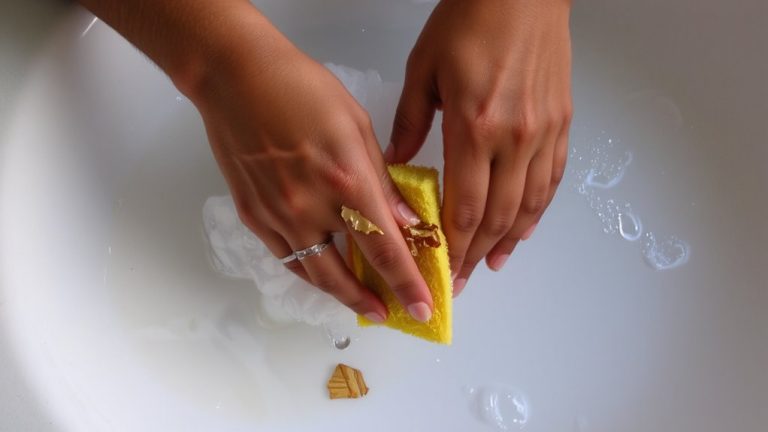
When you disturb old carpet underlay or adhesive during a renovation, tiny asbestos fibers can become airborne, especially if you’re sanding, scraping, or tearing up materials from a home built between the 1940s and 1980s. Once asbestos becomes airborne, you can inhale the microscopic fibers without realizing it. Over time, even low-level exposure harms your health, increasing the risk of serious conditions like asbestosis, lung cancer, and mesothelioma. You should never sand or dry-scrape suspected asbestos glue-doing so massively increases contamination risk. Disturbing asbestos isn’t just unsafe-it’s regulated. The EPA requires licensed inspectors to evaluate older buildings before demolition or renovation. If you disturb asbestos, stop work immediately, seal off the area, and contact a professional. Regular vacuums or mops won’t safely remove fibers-special HEPA-filtered units and wet-cleaning methods are essential for containment and cleanup.
How to Test for Asbestos at Home
How do you know if your old carpet or its backing hides something far more dangerous than dirt? If your home was built before 1980, you should test for asbestos in adhesives, underlays, or floor tiles-materials often laced with asbestos. You can’t spot asbestos by sight, so rely on DIY asbestos testing kits. Wear gloves and a mask, mist the area lightly, then collect a small sample. Mail it to an EPA-approved lab for analysis. Results come back in 24–72 hours, usually costing $50–$100 per sample. While DIY kits are handy, only an asbestos inspector can confirm risk levels safely.
| Material | Common Location | Asbestos Risk |
|---|---|---|
| Adhesive | Under carpet | High |
| Floor tiles | Basements, bathrooms | High |
| Underlay | Beneath old carpet | Moderate |
| Backing | Carpet layers | Moderate |
When You Should Hire an Asbestos Pro
You’ve tested your old carpet’s backing or adhesive and now have results showing asbestos-don’t panic, but do stop any further cleanup or removal immediately. Asbestos, a naturally occurring mineral, was commonly used in home decor products before 1980, including carpet padding, mastic, and adhesives. If your flooring’s glue or underlay is yellow, tan, or brown and dates to pre-1978, it may contain asbestos. Disturbing it can release dangerous fibers-44.7% of homeowners choose pro removal once confirmed. For Health and Safety compliance, only licensed asbestos inspectors or abatement pros should handle removal. The EPA and CT Department of Public Health require trained professionals for legal, safe abatement. Always hire a certified pro before renovating older homes, since visual checks can’t confirm asbestos presence. Proper containment, HEPA filtration, and disposal protect your space during cleanup.
On a final note
You’re safe as long as you leave old carpet, underlay, and glue undisturbed. If replacing, hire a pro for asbestos testing-don’t risk DIY removal. For cleaning, use a HEPA-filter vacuum like the Dyson Ball Animal, which captures 99.97% of particles down to 0.3 microns; testers confirm it lifts dust, pet hair, and allergens without stirring contaminants. Spot-clean with hydrogen peroxide-based solutions, and seal gaps to deter pests.