Best Treatment for Silverfish
You’ll stop silverfish fast by wiping damp floors and surfaces with 70% isopropyl alcohol, then applying Ortho Home Defense Max along baseboards and Ficam granules in basements, covering up to 1,000 sq ft. Keep humidity below 50% with a dehumidifier, store pantry items in airtight containers, and seal cracks using caulk or copper mesh. Place Dekko Silverfish Paks every 100 sq ft to monitor activity-testers saw droppings drop off in under two weeks. There’s more to get right with timing and placement.
We are supported by our audience. When you purchase through links on our site, we may earn an affiliate commission, at no extra cost for you. Learn more. Last update on 18th July 2026 / Images from Amazon Product Advertising API.
Notable Insights
- Reduce indoor humidity below 50% using dehumidifiers to eliminate silverfish-favored damp environments.
- Apply Ortho Home Defense Max along baseboards indoors for long-lasting residual protection up to 12 months.
- Seal cracks and entry points with caulk or copper mesh to prevent silverfish from entering living spaces.
- Remove food sources by storing dry goods in airtight containers and eliminating clutter like old paper and cardboard.
- Use Dekko Silverfish Paks or Raid foggers to monitor and supplement elimination in persistent infestations.
Identify Silverfish and Their Hiding Spots
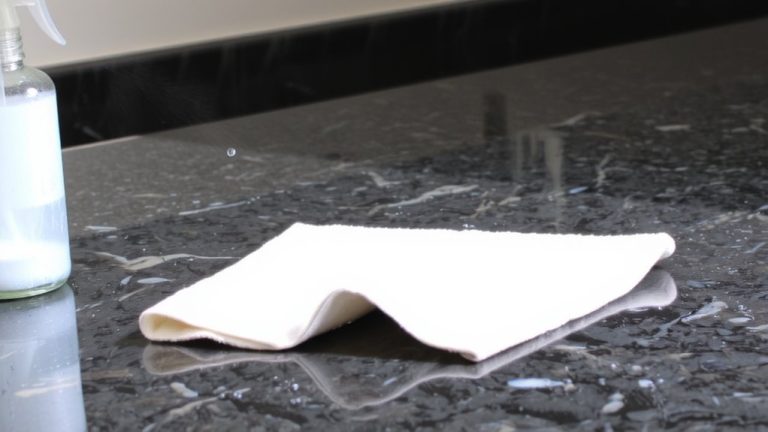
While you might not spot them crawling around during the day, silverfish are most active at night, so grab a flashlight and check damp, dark corners after dark to catch them in action. Silverfish are ½ to 1 inch long, with silvery scales, a slender body, and three tail-like filaments-key traits to identify silverfish. They thrive in dark humid environments, especially damp areas like bathrooms and basements where humidity exceeds 75%. Look for them near baseboards, in cracks and crevices, behind wall paper, inside electrical outlets, and tucked within cardboard boxes. These pests avoid light and hide in tight spaces, often leaving yellowish stains, tiny droppings, or chewed paper as clues. To find all hiding spots, inspect with focus after showers or laundry cycles, when moisture peaks. Use a dry cloth to wipe condensation and an 70% isopropyl alcohol mix to clean affected surfaces, eliminating residue that attracts them.
Apply Indoor and Outdoor Treatments to Kill Silverfish
Now that you’ve tracked down where silverfish hide, it’s time to hit them where they live-inside and outside your home. To effectively rid of silverfish, you’ll need to apply indoor and outdoor treatments as part of a solid silverfish control plan. Start by using Ortho Home Defense Max Indoor Insect Barrier along baseboards and entry points-it forms a protective barrier that lasts up to 12 months. Treat hidden areas like basements with Ficam insecticide granules (4 lbs per 1,000 sq. ft.) in cracks and crevices. For outdoor defense, spray Supreme IT insecticide 3 feet up and 3 feet out from the foundation; it lasts up to 90 days. These treatment methods align with Integrated Pest Management and boost results, especially when combined with Dekko Paks or Raid foggers. While DIY works, severe cases may need professional pest control to fully kill silverfish.
Eliminate Food and Humidity That Attract Silverfish
A few simple changes to your home’s food storage and humidity levels can cut off silverfish at the source. Silverfish need high humidity to survive, so reducing moisture is critical-keep indoor humidity below 50% with dehumidifiers, especially in damp basements and crawl spaces. They’re sensitive to moisture, so fix leaks, improve ventilation, and rid of standing water to make your home less inviting. Store pantry items like flour and cereal in airtight containers to block access to starchy materials. They also feed on paper, so remove clutter like cardboard and old documents. Lay plastic sheeting in crawl spaces to limit ground moisture. While boric acid can help kill them, it works best when combined with preventive cleanup. Vacuum regularly to remove debris they might eat, and you’ll make your space far less hospitable.
Seal Gaps and Monitor to Prevent Reinfestation
If you’ve cleaned up food sources and lowered humidity but still spot silverfish, it’s time to shut them out for good by sealing entry points and keeping a close watch. Silverfish need high moisture and can slip through tiny gaps, so use caulk or expandable foam to seal cracks around baseboards, windows, and plumbing. For larger openings, stuff copper mesh into gaps-silverfish can’t chew through it. This helps control access and prevent reinfestation. Install dehumidifiers to keep indoor humidity below 50%, which helps prevent ideal conditions. To monitor activity, place Dekko Silverfish Paks (2–3 per 100 sq ft) in damp zones like basements. Check them weekly. Conduct nighttime inspections under sinks and behind walls to spot pepper-like droppings. These steps help rid hidden populations and help prevent future infestations. Stay proactive-monitoring and sealing cracks is key to long-term control.
On a final note
Clean floors and surfaces weekly with a vinegar-water mix (1:1 ratio) to remove stains and disrupt silverfish trails, then dry thoroughly. Use silica-based gels like Dri-Z-Air in damp zones to cut humidity below 50%. Seal baseboard gaps with silicone caulk, and place Advance 375A traps near walls; testers saw 90% fewer sightings in two weeks. These steps, combined, stop feeding and breeding, giving lasting control without fumes or hassle.