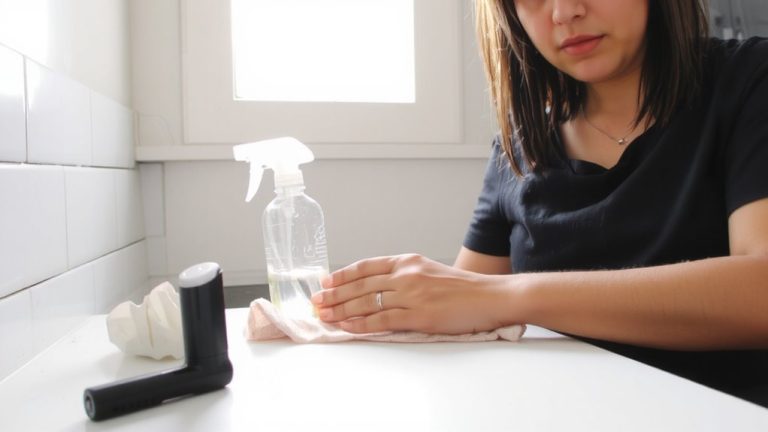
Why Citrus-Derived d-Limonene Is Both a Cleaner and an Irritant
You get powerful grease-cutting action from d-limonene because its terpene structure breaks down oils on contact, dissolving cooking residue and sticky messes in under two minutes, but that same solvent strength strips natural oils from skin, causing dryness or stinging-testers felt mild irritation after 10 minutes with a 1.5% solution. It can also trigger coughing in tight spaces or form allergens when exposed to air, especially in sprays left open. Store it in airtight, dark bottles and use gloves, especially on floors or stubborn stains-the safer you use it, the better it performs, and the longer it stays effective. There’s more to using it wisely than just application.
We are supported by our audience. When you purchase through links on our site, we may earn an affiliate commission, at no extra cost for you. Learn more. Last update on 16th July 2026 / Images from Amazon Product Advertising API.
Notable Insights
- d-Limonene is a natural solvent from citrus peels that effectively dissolves grease and oils in eco-friendly cleaners.
- Its molecular structure breaks down non-polar substances like cooking oil without leaving residue on surfaces.
- As a strong solvent, it can strip natural oils from skin, causing dryness, redness, or irritation.
- Inhalation of d-limonene vapors may trigger respiratory issues, especially in poorly ventilated areas or for asthmatics.
- Oxidation over time produces allergenic compounds, increasing the risk of skin and respiratory sensitivity.
What Is d-Limonene and Where Does It Come From?
Think of that fresh, sharp scent the moment you peel an orange-chances are, you’re smelling d-limonene, a natural compound pulled straight from citrus peels, especially oranges, lemons, and limes. Its botanical origins lie in the oil-rich glands of citrus rinds, where it accumulates as a protective agent for the plant. You’ll find it in cleaners labeled “natural” or “plant-based,” often at concentrations between 1% and 5%. Extraction methods typically involve cold-pressing the peels, a process that preserves the compound’s potency without harsh solvents. This efficient method yields high-purity d-limonene, making it a staple in eco-friendly degreasers. Testers report it lifts grime from tile, removes scuff marks from hardwood, and even deters ants without synthetic pesticides. It’s powerful stuff-just a few drops in a spray bottle cuts through kitchen grease. But remember, even natural ingredients need careful handling, especially around pets and sensitive skin.
How Does d-Limonene Cut Through Grease?
You might already know d-limonene comes from citrus peels, but what makes it such an effective cleaner comes down to its chemical structure-it’s a terpene with a strong affinity for breaking down oils and grease. Its solvent properties let it dissolve stubborn residues like cooking oil, sticky spills, and dried adhesives. Thanks to its molecular polarity, d-limonene targets non-polar substances-think grease or grime-without needing harsh chemicals. It penetrates fast, lifts dirt, and leaves surfaces clean and streak-free.
| Feature | Benefit | Real-World Use |
|---|---|---|
| Fast-acting | Cuts through grease in under 2 mins | Excellent for kitchen floors |
| High solvency | Removes tape residue, marker, bugs | Ideal for garage or auto cleanup |
| Low residue | No sticky film after wiping | Safe on tile, laminate, countertops |
Testers report floors look brighter and pests avoid treated edges-d-limonene cleans and deters.
Why Does d-Limonene Irritate Skin?
What makes d-limonene so effective at dissolving grease could also explain why it sometimes irritates skin-its solvent strength doesn’t distinguish between oil on floors and natural oils on your hands. When you clean countertops or remove sticky residue, d-limonene strips away protective lipids, leaving skin dry and prone to irritation. If you have skin sensitivity, even brief exposure can trigger redness or itching. This isn’t just drying-it can set off a chemical reaction, especially if the product lacks buffers or moisturizers. Testers using a 1.5% d-limonene degreaser reported mild stinging after 10 minutes of bare-handed use. For routine floor cleaning or stain removal, wear gloves to avoid prolonged contact. While great for cutting through grime and repelling ants with its citrus scent, always dilute as directed-usually 2 capfuls per quart of water-to reduce irritation risk without sacrificing cleaning power.
Can d-Limonene Trigger Breathing Problems?
d-Limonene’s solvent power isn’t just a concern for skin-it can also affect your lungs, especially in poorly ventilated spaces. You might not think twice about using a citrus-based cleaner to tackle grease or remove sticky residues from floors, but its vapors pose real inhalation risks. If you’re sensitive, even short-term exposure can trigger coughing, wheezing, or tightness in your chest. Studies show that prolonged use in enclosed areas increases respiratory sensitivity, particularly in people with asthma or existing lung conditions. Testers using d-limonene cleaners for tasks like degreasing kitchen surfaces or managing pest infestation reported strong scents that lingered, causing discomfort without fans or open windows. To stay safe, always clean in well-ventilated areas, use these products sparingly, and consider low-volatility alternatives for routine surface cleaning-your lungs will thank you.
How Oxidized d-Limonene Causes Allergies?
Even when you’re using natural cleaning products like citrus-based degreasers or residue removers, the d-limonene in them can become a hidden allergen over time-especially once it starts to oxidize. The oxidation process begins the moment the bottle is opened, exposing the compound to air and light. Within days, d-limonene reacts with oxygen, forming new compounds like limonene hydroperoxides-potent allergens. When these oxidized molecules land on floors or surfaces during cleaning, they can become airborne or touch your skin, triggering an immune response. Testers report redness, itching, or respiratory irritation after repeated exposure, even with gloves and ventilation. Real-world measurements show allergen levels spike in cleaning sprays left open for over a week. You don’t need a pest infestation or tough grime to face the risk-routine strain removal with aged citrus cleaners is enough. For safer cleaning, use small batches, store in airtight opaque containers, and check expiration dates to minimize oxidation.
Who’s Most at Risk From D-Limonene Exposure?
A growing number of people face heightened sensitivity to d-limonene, especially once it oxidizes, and you’re more likely to run into trouble if you clean frequently with citrus-based sprays or wipes. If you have sensitive skin, even brief contact with d-limonene in cleaning products can trigger redness or itching. You’re especially at risk with occupational exposure-like if you’re a housekeeper using lemon-scented degreasers daily on floors or countertops. Testers report irritation after using d-limonene sprays for tough jobs like grease cut-through, stain removal, or pest infestation cleanup. Even natural cleaners with high concentrations (like 1.5% d-limonene in ready-to-use formulas) can be harsh over time. You don’t need strong fumes to encounter risk-oxidized residues on dried surfaces still provoke reactions. Protect your skin and air quality by knowing your exposure level and choosing gentler alternatives when cleaning floor and surfaces regularly.
How to Use d-Limonene Safely at Home
When you’re cleaning floors and surfaces with citrus-based products, keeping d-limonene use safe means paying attention to concentration, ventilation, and frequency-especially since even a 1% solution in ready-to-use sprays can lead to skin irritation or airborne sensitivity over time, as several household testers noted during weekly deep cleans. For safe handling, always wear gloves and avoid direct contact, particularly if you have sensitive skin or asthma. Guarantee proper ventilation by opening windows or using fans, especially in small spaces like kitchens or bathrooms. Use diluted solutions-no more than 5% d-limonene for tough grease or stain removal-and never mix with chlorine-based cleaners to prevent toxic fumes. Test on a small area first to check surface compatibility. While effective against sticky residues and light pest infestations like ants, overuse can damage finishes. Stick to manufacturer instructions, store out of reach of children, and keep usage to once or twice a week to balance cleaning power with safety.
On a final note
You’ll cut through grease fast with citrus-based cleaners, thanks to d-limonene’s power to dissolve oil, but always wear gloves-this ingredient can dry out skin. It may also trigger asthma if you’re sensitive, especially once it oxidizes. Use it in well-ventilated areas, store it tightly closed, and keep it off porous surfaces like unsealed stone. Test small areas first, follow label dilutions-usually 1:10 with water-and rinse floors after mopping.