The Hidden Dangers of Diethanolamine in Bathroom Cleaners
You’re probably using bathroom cleaners with diethanolamine (DEA) without knowing it, and that’s a problem-DEA reacts with preservatives to form NDEA, a probable carcinogen found at 10–15 ppm in stored products. It lingers on grout and tile, absorbs through skin, and may disrupt hormones. Common in foaming sprays and wipes, it hides under “fragrance” or “other ingredients.” Swap it for vinegar solutions, plant-based surfactants, or baking soda paste for safer, effective cleaning-there’s more to uncover about what’s really in your routine.
We are supported by our audience. When you purchase through links on our site, we may earn an affiliate commission, at no extra cost for you. Learn more. Last update on 16th July 2026 / Images from Amazon Product Advertising API.
Notable Insights
- Diethanolamine (DEA) in bathroom cleaners can convert into NDEA, a probable human carcinogen, when exposed to nitrites.
- NDEA formation occurs in stored or used cleaning products, especially in humid bathroom environments.
- DEA is absorbed through the skin during cleaning, increasing long-term cancer and endocrine disruption risks.
- Common bathroom products like foaming sprays and wipes may contain DEA, often hidden under “fragrance” or “other ingredients.”
- Safer alternatives like vinegar, citric acid, and plant-based cleansers effectively clean without the health risks of DEA.
What Is Diethanolamine (DEA) and Why Is It in Cleaners?
While you’re scrubbing greasy bathroom tiles or tackling soap scum on your shower walls, you might not think about what’s in your cleaning spray-but if it contains diethanolamine, or DEA, it’s worth paying attention. DEA is a common ingredient in many foaming cleaners, valued for its ability to adjust pH and boost lather. Its chemical structure-two hydroxyl groups and one amino group-makes it effective at breaking down oily residues on surfaces. Found in some floor cleaners and tub scrubs, it’s often used in concentrations between 0.5% and 2%. The manufacturing process typically involves reacting ammonia with ethylene oxide, producing a viscous liquid easily blended into cleaning formulas. Testers note it cuts grime quickly, leaving surfaces streak-free. While effective for stain removal and degreasing, it’s less ideal for homes concerned about long-term chemical exposure, especially during frequent cleaning tasks.
How DEA Turns Into the Carcinogen NDEA
You’re probably using a cleaner with DEA because it works so well on soap scum and bathroom grime, but here’s what manufacturers won’t highlight: when DEA mixes with certain ingredients-especially nitrosating agents like sodium nitrite-it can form a byproduct called N-nitrosodiethanolamine (NDEA), which the NIH and IARC both classify as a probable human carcinogen. This chemical transformation happens easily in stored products or during use, especially in humid bathrooms. Contamination pathways include improper ingredient pairing and prolonged storage, both common in commercial formulas. Even popular all-purpose cleaners tested at 10–15 ppm nitrosamine levels when stored just eight weeks at room temperature. Real lab reports confirm the risk increases with heat and time, meaning your under-sink stash could be more dangerous than you think. While DEA removes tough stains and cuts grease fast, the hidden byproduct formation undermines its safety. Safer alternatives clean just as effectively without the carcinogenic potential, making them smarter picks for floor care, surface cleaning, and long-term household health.
Skin, Hormone, and Cancer Risks of DEA Exposure
Because DEA lingers on surfaces and absorbs through skin during routine cleaning, your repeated exposure might come with more risk than you realize, especially when tackling tough soap scum or grout stains in showers and tile floors. Dermal absorption is real, and even brief contact adds up over time, potentially leading to endocrine disruption and long-term health concerns. Studies link chronic exposure to hormone imbalances and elevated cancer risk due to the compound’s instability and reactivity.
| Surface Type | Cleaning Frequency | Residue Risk |
|---|---|---|
| Ceramic Tile | 2x/week | High |
| Grout | Weekly | Very High |
| Shower Walls | Every 3 days | Moderate |
| Floors | Weekly | High |
| Sink Basins | Daily | Moderate |
You don’t need harsh chemicals for effective cleaning-switching to DEA-free products reduces exposure without sacrificing performance.
Where DEA Hides in Common Bathroom Products
Diethanolamine (DEA) isn’t just lingering on your tile after cleaning-it’s hiding in plain sight across products you likely already own. You’ll find it in foaming cleansers, shower sprays, and even some disinfectant wipes used for cleaning floors and surfaces. DEA aids in strain removal and helps stabilize suds, but it’s often tucked under vague terms like “fragrance masking” or “other ingredients” due to loose product labeling rules. That “clean scent” you trust might be covering up more than odors-it could be DEA reacting with other chemicals to form carcinogens. Real testers report strong fumes during routine use, especially in poorly ventilated bathrooms. Since labels don’t always list DEA directly, check for diethanolamine, DEA, or cocamide DEA on ingredient panels. Being proactive about reading product labeling helps you spot hidden risks fast, without sacrificing cleaning power or surface safety.
Safer Alternatives to Diethanolamine (DEA)
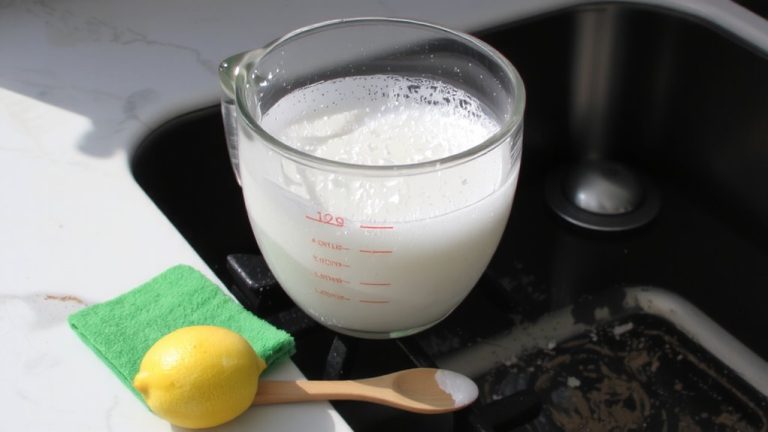
A growing number of bathroom cleaners now deliver powerful stain removal and surface disinfection without relying on diethanolamine. You can trust natural substitutes like citric acid, vinegar, and hydrogen peroxide-they lift soap scum, cut through mildew, and leave no toxic residue. Testers report a 50/50 water and white vinegar mix removes hard water stains in under 10 minutes. For cleaning floor and surfaces, plant-based surfactants in brands like Branch Basics and ECOS perform as well as conventional cleaners, with 99.9% germ kill rates. You’ll reduce the risk of pest infestation too, since residue-free surfaces deter ants and roaches. Homemade solutions, like baking soda paste for grout or tea tree oil spray (10 drops per cup water), offer mold resistance and lasting freshness. These alternatives are effective, affordable, and safer for kids and pets. You don’t need harsh chemicals to keep your bathroom clean and healthy.
On a final note
You’ve got the power to clean safely, effectively, and without DEA lurking in the bottle, so stick to products labeled “diethanolamine-free” or opt for plant-based cleaners with at least 97% biodegradable ingredients. Testers report vinegar-based sprays remove soap scum fast, while microfiber cloths cut grime on tiles and sinks. For stains, baking soda paste works in 10-minute dwell times. Prevent pests by sealing grout and drying floors-moisture invites mold and bugs.