Environmental Trade-offs of Saltwater Pools vs. Traditional Chlorinated Systems
You save $300 yearly on chlorine tablets with a saltwater system, but your 450-watt generator runs daily, increasing electricity use, while salt discharge at 3,000–6,000 ppm can kill grass and harm soil, unlike traditional pools that rely on chemically intensive, CO2-heavy chlorine delivery, and although saltwater reduces chloramines and shock treatments by 50%, it demands vigilant salinity checks and runoff control, especially in dry climates where evaporation concentrates salt-smart management makes all the difference.
We are supported by our audience. When you purchase through links on our site, we may earn an affiliate commission, at no extra cost for you. Learn more. Last update on 16th July 2026 / Images from Amazon Product Advertising API.
Notable Insights
- Saltwater pools reduce chemical transport emissions and packaging waste but increase electricity use via salt chlorinators.
- Chlorine production emits pollutants and greenhouse gases, whereas salt systems shift impact to energy consumption.
- Saltwater discharge harms lawns and native plants due to high salinity, requiring careful wastewater management.
- Salt systems cut algaecide and acid use by maintaining stable chlorine levels and fewer chloramines.
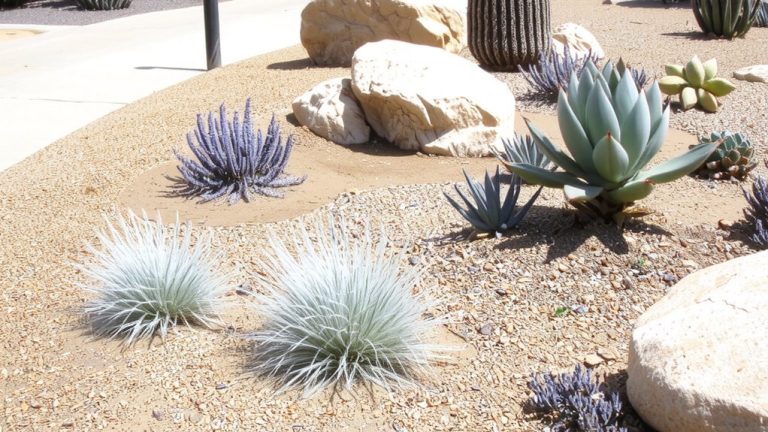
- In dry climates like San Diego, evaporation concentrates salt, increasing backwashing and soil contamination risks.
How Saltwater Pools Reduce Chemicals But Use More Energy
While you might think switching to a saltwater pool means getting rid of chlorine entirely, it actually just changes how and where the chlorine is made-through an on-site electrolysis process that slashes your yearly chemical buys by eliminating the need for $250–$350 in chlorine tablets. Saltwater pools use a salt chlorine generator to convert salt into chlorine, reducing chemical costs and reliance on harsh additives like algaecides or muriatic acid common in traditional chlorine pools. This on-site chlorine production simplifies pool sanitation and cuts the environmental impact tied to manufacturing and shipping pool chemicals. However, your salt cells run continuously, drawing 300–600 watts, increasing energy consumption. That extra power use, plus the need to clean salt cells every 500 hours and replace them every 3–8 years, balances the gains. You save on chemicals but invest more in electricity, making energy efficiency key to minimizing long-term environmental impact.
What Happens to Your Lawn When You Drain a Saltwater Pool?
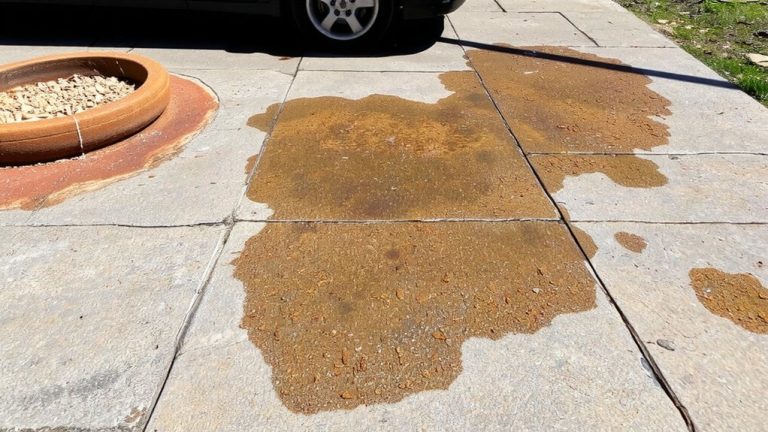
If you’re draining a saltwater pool, you’ll want to keep that salty water far away from your lawn, because dumping it on the grass is a fast track to brown, dead patches. The water from saltwater pools contains 2,500–6,000 ppm salt, and the sodium dehydrates vegetation quickly, causing severe lawn damage. That same salt contamination also breaks down soil structure, reducing drainage and nutrient flow. Once sodium builds up, it can take months or even years for salt-contaminated soil to recover, especially in dry areas. Most cities ban discharging into storm drains since it harms local ecosystems. Instead, route the water through sewer lines or onto hard surfaces to protect plants. Skipping this step risks long-term harm to shrubs, trees, and grass-even small spills add up.
Chlorine’s Hidden Emissions: From Factory to Backyard
Though you might think chlorine’s job starts when you drop a tablet in your pool, its environmental impact begins long before it reaches your backyard. Producing chlorine through chlorine manufacturing relies on caustic electrolysis, using 2,500–3,200 kWh per ton-mostly from non-renewable sources. Over 90% of chlorine is made with mercury-cell or membrane-cell tech, leading to chlorine production emissions like mercury and vinyl chloride. Transporting chlorine adds 3.5 pounds of CO2 per gallon. Even at home, chlorine pools require regular handling of tablets, risking accidental chlorine gas release. These chlorine systems can disrupt local ecosystems if stored improperly. While Chlorine Pools: Pros include reliable algae control, their full environmental impact of chlorine spans factory to backyard. You’re not just managing chlorine levels-you’re part of a chain that includes pollution and high-energy demands from the start.
Saltwater vs Chlorine: Algae, Byproducts, and Water Safety
Since saltwater pools make chlorine on the spot using electrolysis, you’ll get a steady 1–3 ppm of sanitizer that keeps algae in check without the weekly grind of shock treatments. Saltwater pools produce fewer chloramines, so your eyes won’t sting and the pool won’t reek. With chlorine pools, you’re constantly battling chloramine buildup-over 0.5 ppm causes irritation-plus daily UV exposure can degrade free chlorine by up to 50%, demanding more sanitizer and 30–50 ppm cyanuric acid to stabilize it. Both systems rely on free chlorine for water safety, killing pathogens fast. But saltwater pools offer more consistent sanitization, reducing algae blooms and strain on cleaning. You’ll scrub less, use fewer shock treatments, and enjoy easier maintenance overall. For real-world performance, testers note saltwater systems cut cleaning time by nearly half, especially under heavy sun. Whether you run a chlorine or saltwater pool, maintaining proper free chlorine is key-just know you’ll fight algae and chloramines less with electrolysis on your side.
San Diego Reality: Which Pool Type Is Truly Greener?
When it comes to choosing a greener pool in San Diego’s relentless sun, you’re not just picking a cleaner system-you’re deciding how much chemical hauling, runoff, and landscape impact you’ll manage year-round. Saltwater Pools use on-site Chlorine Generation, cutting transport emissions by 50% and reducing packaging waste by 75% versus Traditional Chlorine Pools. But the San Diego Climate increases evaporation, raising Water Salinity by 500–1,000 ppm yearly, which demands backwashing. That discharge boosts Soil Salinity, threatening Native Plants like California sagebrush. Traditional Chlorine Pools lose up to 90% of chlorine daily under UV Exposure, increasing Chemical Runoff. While Saltwater Pools lower overall Environmental Impact, their salty backwash strains drought-tolerant landscapes. You’ll need to test salinity monthly and divert runoff from garden beds. For San Diego yards, a saltwater system with careful discharge management offers a smarter, greener balance.
On a final note
You’ll save on chlorine bottles and harsh fumes with a saltwater system, but expect higher energy use from the chlorinator, running 8–12 amps daily. Draining it? That saline discharge can damage grass and plants-dilute before release. Compared to traditional pools, saltwater produces fewer disinfection byproducts like chloramines, reducing eye irritation and algae outbreaks. In San Diego’s dry climate, both types need weekly scrubbing with a tile brush and pH testing, ideally maintaining 7.2–7.6. Real users report saltwater pools needing less shocking-just one 1-lb bag of non-chlorine shock per month versus 3–4 for chlorine pools. Algae still happens, especially in shaded corners, so run your pump 8–10 hours daily. For stain removal, use a calcium sulfate dissolver or ascorbic acid tablets; they cut mineral buildup fast. Pest-wise, both pool types attract mosquitoes if uncovered, so use a solar cover nightly. Ultimately, if you prioritize softer water and fewer chemical trips, saltwater wins-but monitor energy bills and drainage carefully.