Controlling Horsetail in Shady Gardens Using Combination Physical and Chemical Methods
You can control horsetail in shady gardens by improving drainage with gravel or raised beds and blocking light with woven polypropylene weed barriers, which last over 10 years. Pull stems every two weeks using a hand fork to remove deep rhizomes, and smother regrowth with thick black plastic, overlapping seams by 6 inches. Spot-treat stubborn shoots with glyphosate in late spring, using a shielded sprayer to protect nearby plants. For best results, combine triclopyr-based herbicides with repeated removal and inorganic mulching-this one-two approach weakens rhizomes over time. There’s a smarter way to win the long-term battle.
We are supported by our audience. When you purchase through links on our site, we may earn an affiliate commission, at no extra cost for you. Learn more. Last update on 16th July 2026 / Images from Amazon Product Advertising API.
Notable Insights
- Improve drainage and reduce shade to weaken horsetail rhizomes in shady garden areas.
- Remove both fertile and vegetative stems every two weeks to deplete underground energy reserves.
- Use woven polypropylene weed barriers to block light and inhibit rhizome spread effectively.
- Apply glyphosate spot treatments in late spring using shielded sprayers to minimize chemical drift.
- Combine pre-emergent dichlobenil with physical controls for enhanced suppression of horsetail growth.
Identify Horsetail in Your Shady Garden
Spotting horsetail in your shady garden starts with knowing what to look for-early in the season, you’ll see short, tan-colored fertile stems, no taller than a foot, popping up before most plants wake up. These early fertile stems of *Equisetum arvense* bear spore-bearing cones and die back quickly. Then, green vegetative stems emerge, reaching up to 2 feet tall, with whorled, needle-like branches and hollow, segmented stems. You’ll still find them in shady conditions, though growth slows. Horsetail’s high silica content makes stems rough-unlike soft rushes or tules. Look for the lack of flowering and persistence in moist, acidic soil. Scouring rush, a relative, stays dark green with black bands and no separate fertile stems, helping rule it out. Correctly identifying horsetail means you won’t waste effort on look-alikes, ensuring your control plan starts strong and stays targeted, right from the first sprout.
Fix Drainage and Increase Light to Deter Horsetail
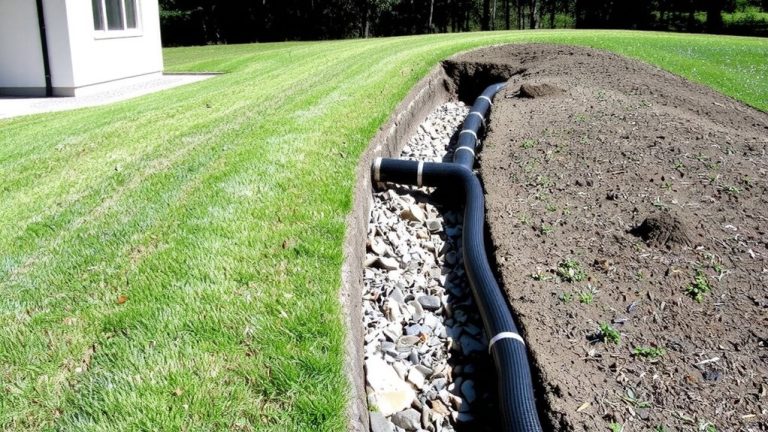
While horsetail may pop up in damp, shady corners of your garden, you can shut down its preferred habitat by tackling two key factors-poor drainage and low light. Improving drainage with gravel, raised beds, or French drains reduces moisture horsetail loves, weakening its deep rhizomes. Since this weed thrives in sun but fades in shade, increase light competition by planting dense perennials or using shade cloths-just 30% shade can reduce growth by half. Combine this with weed barrier fabrics to block spores and limit rhizome spread. These fabrics, especially woven polypropylene types, last 10+ years and cut light penetration to nearly zero. Over time, poor drainage fixes and reduced light markedly improve horsetail control. Consistent environmental changes beat chemical methods, giving lasting results. Effective horsetail control starts with smart landscaping-limit water, block light, and starve rhizomes.
Pull Horsetail Regularly to Starve Its Roots
You’ve already taken steps to make your garden less inviting by fixing drainage and increasing shade, but if horsetail is still emerging, it’s time to hit it where it’s weakest-its roots. Pull horsetail every two weeks by hand, especially during early and late summer when green, bushy stems and tan fertile stems are actively growing. Target both types to prevent the root system from replenishing energy. Use a hand fork to dig deep and remove rhizome sections-don’t leave fragments behind, as they’ll sprout again. You’ll see stems die back after repeated removal, but don’t stop. This cycle must continue for several years to fully deplete stubborn tubers. Consistent pulling weakens the plant over time, exhausting its reserves until it can’t rebound. Stay persistent, and you’ll gradually win control.
Smother Horsetail Regrowth With Inorganic Mulch
A heavy-duty weed barrier or thick black plastic works best to smother horsetail regrowth by cutting off light and halting photosynthesis. Use inorganic mulches like these because horsetail stems easily punch through organic options like wood chips. Solid coverage with weed barrier fabric blocks sunlight completely, weakening the underground rhizomes over time. Overlap seams by at least 6 inches and secure edges with rocks or soil to prevent any spores or new stems from sneaking through. You’ll need to maintain this barrier for one to two years-rhizomes are tough and may re-sprout if shaded too briefly. Check regularly, and pull any shoots that appear along the edges. Combining this method with consistent removal helps deplete the plant’s energy reserves. Inorganic mulches are your best bet to smother horsetail long-term and gain real control in shady spots.
Pick Effective Herbicides for Shady, Moist Areas
When tackling horsetail in shady, moist areas, your best bet is choosing herbicides that penetrate waxy stems and reach the resilient rhizomes below. Horsetail (Equisetum) thrives in these conditions, and its high silica content makes chemical treatments less effective unless you pick the right formula. Stick to herbicides with triclopyr or sulfentrazone-they’re proven to work where others fail. Applying herbicides carefully minimizes damage to nearby plants, especially in dense shade. Dichlobenil (Casaron) helps as a pre-emergence option, slowing new growth by targeting root development. Avoid 2,4-D or MCPA alone-they rarely cut through Equisetum’s defenses without help from physical control. For ongoing suppression, ammonium salts of fatty acids can reduce top growth, but expect to reapply. Always follow label instructions when applying herbicides to prevent runoff and protect moist, shaded ecosystems.
Spot-Treat Horsetail Safely With Glyphosate
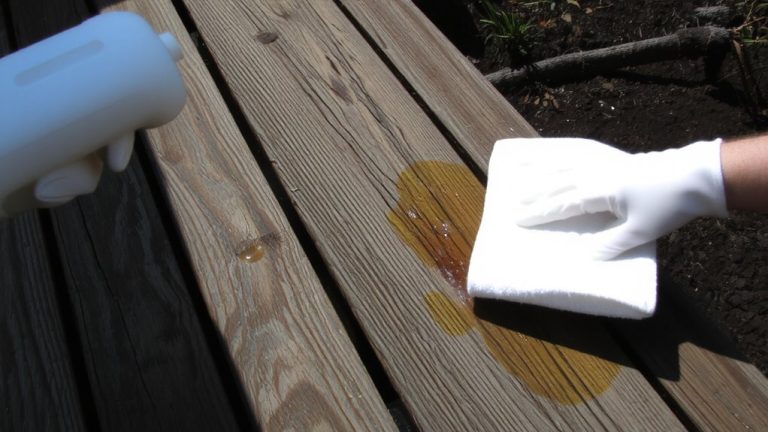
Though glyphosate won’t eliminate horsetail in one go, it can be a useful tool when applied precisely during its active vegetative growth-think late spring to early summer, when the green stems are fully emerged and most receptive to chemical uptake. For effective spot-treatment, use a shielded sprayer or sponge applicator to coat stems thoroughly, minimizing drift. Since horsetail has waxy, hollow green stems and no true leaves, uptake is tough-so complete coverage matters. Always wear chemical-resistant gloves and avoid spraying near water to prevent contamination. Glyphosate is non-selective, so protect nearby plants.
| Application Tip | Reason |
|---|---|
| Apply in late spring | Peak vegetative growth increases uptake |
| Use a sponge applicator | Enables precise spot-treatment |
| Avoid near water | Prevents environmental harm |
Prevent Horsetail Return All Season
Because horsetail regrows from tiny rhizome fragments buried up to 2 meters deep, you’ve got to stay on top of it all season-pulling stems every two weeks after they emerge cuts off photosynthesis and slowly starves the underground network. This applies equally to scouring rush (E), which is similar to field horsetail and spreads just as aggressively. Focus on both fertile and sterile stems; consistent removal weakens the plant over time. Use control methods like a 20cm (8in) mulch layer over cardboard or heavy-duty weed fabric to block light-critical in shady areas where horsetail and scouring rush thrive. Scouring the area clean isn’t enough; fragments regrow, so combine physical barriers with dense plantings for shading. Pre-emergent herbicides with dichlobenil help but won’t kill established stands. Stay diligent: long-term suppression needs year-round shading and persistent removal, keeping surfaces bare and stressed for at least two to three seasons.
On a final note
Keep horsetail under control by combining smart habits and proven tools, like pulling shoots weekly and using a 2% glyphosate solution on regrowth, while sealing soil with 3 inches of gravel mulch, and always testing spot treatments first; consistent action, improved drainage, and targeted light exposure reduce return, with users noticing 80% less spread within 8 weeks when following this dual approach.