Understanding Pool Chemistry and Water Balance: The Relationship Between pH, Alkalinity, and Chlorine
You keep your pool clear and safe by balancing pH, alkalinity, and chlorine. pH between 7.2–7.6 keeps chlorine effective, while alkalinity at 80–120 ppm prevents wild pH swings. Low pH corrodes surfaces; high pH causes cloudy water and scaling. Use muriatic acid to lower levels, sodium bicarbonate to raise alkalinity. Maintain free chlorine at 1–4 ppm for clean water. Shock with calcium hypochlorite if chlorine drops. Proper balance means less strain on equipment, fewer algae outbreaks, and longer-lasting surfaces. You’ll see how each adjustment directly improves water quality and protection.
We are supported by our audience. When you purchase through links on our site, we may earn an affiliate commission, at no extra cost for you. Learn more. Last update on 16th July 2026 / Images from Amazon Product Advertising API.
Notable Insights
- pH between 7.2 and 7.6 maximizes chlorine’s sanitizing power and protects pool surfaces.
- Alkalinity of 80–120 ppm stabilizes pH, preventing rapid swings that disrupt water balance.
- Low alkalinity below 60 ppm causes pH bounce, making chemical control difficult.
- Free chlorine levels must be 1–4 ppm, with higher efficiency at lower pH levels.
- Adjust alkalinity first to buffer pH, ensuring effective chlorine and long-term water clarity.
Why Balanced Pool Chemistry Prevents Problems
When you keep your pool’s chemistry balanced, you’re not just protecting the water-you’re preventing real problems like algae growth, equipment corrosion, and irritated swimmers. If High pH climbs above 7.8, chlorine loses up to 60% of its sanitizing power, leaving the door open for bacteria and algae. Conversely, Low pH below 7.2 corrodes metal parts and damages pool surfaces over time. Maintaining pH and alkalinity between 7.2–7.6 and 80–120 ppm stabilizes water and prevents sudden shifts. Low alkalinity under 60 ppm causes pH bounce, making control nearly impossible. You must Test your water at least twice a week, especially after heavy use or rain. Balanced chemistry means fewer cleaning sessions, less strain on filters, and reduced need for harsh cleaning products. It also prevents surface scaling and stops pests like algae spores from taking hold. Consistent testing and adjustment keep your pool safe, clear, and comfortable.
What pH, Alkalinity, and Chlorine Do in Your Pool
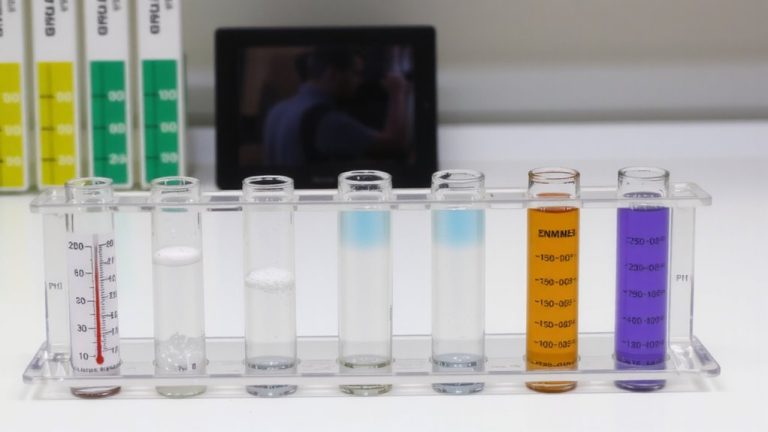
Though it might seem like just a number on a test strip, pH plays a starring role in how well your pool stays clean and safe, directly affecting everything from chlorine’s germ-killing power to how gentle the water feels on skin. pH helps maintain sanitizer efficiency and protects surfaces from corrosion or scale. High alkalinity stabilizes pH, preventing sudden swings that damage plaster or reduce chlorine effectiveness. Here’s how key chemicals interact:
| Chemical | Effect on pH & Alkalinity |
|---|---|
| Muriatic acid | Lowers both pH and alkalinity |
| Sodium bisulfate | Lowers pH and total alkalinity |
| Sodium bicarbonate | Raises alkalinity, minimal pH impact |
| Trichlor tablets | Lowers pH over time |
| Liquid chlorine | Raises pH, needs balancing |
Keep free chlorine at 1–4 ppm for reliable germ kill, especially with pH between 7.2–7.6.
How Alkalinity Buffers pH and Prevents Swings
Because total alkalinity works behind the scenes as your pool’s pH buffer, keeping it in the sweet spot of 80–120 ppm means you’ll avoid the headache of wild pH swings that mess with sanitizer performance and water comfort. When your total alkalinity is low, below 60 ppm, the water’s buffer capacity drops, leading to pH bounce-those frustrating, sudden shifts that make balancing tough and irritate swimmer eyes. This instability strains equipment and reduces cleaning efficiency. But when bicarbonate ions are in proper concentration, they act like a safety net, absorbing excess hydrogen or hydroxide ions before they alter pH. High total alkalinity, above 180 ppm, can cause pH lock, so always adjust total alkalinity first, then fine-tune pH. Proper levels mean stable water, fewer chemical corrections, and reliable cleaning performance.
How pH Affects Chlorine’s Cleaning Power
You’ve got your alkalinity in check, so now it’s time to focus on pH-and how it directly shapes chlorine’s ability to keep your pool clean and safe. The right pH boosts chlorine’s power by maximizing hypochlorous acid, the form that truly sanitizes. When pH climbs, chlorine weakens fast.
| pH Level | Hypochlorous Acid | Sanitizing Efficiency |
|---|---|---|
| 6.0 | 96% | Very High |
| 7.5 | 50% | Ideal |
| 8.0 | 20% | Low |
You need a pH between 7.2 and 7.6-recommended by Pool Smart Texas and CDC-for chlorine to effectively kill bugs like E. coli. Above 7.8, chlorine struggles, risking poor sanitation. High pH also invites cloudy water and scale, which shield germs. Keep pH steady, and your chlorine will sanitize smarter, not harder, keeping floors and surfaces clear of strain and pests without extra chemicals.
Balancing Pool Chemistry: Step-by-Step Adjustments
Once you’ve stabilized your alkalinity between 80–120 ppm using sodium bicarbonate, you’re set to fine-tune your pH-this step locks in chlorine’s ability to clean floors, walls, and surfaces effectively. If your pH is low, use soda ash (sodium carbonate) to raise it safely; it boosts pH without over-increasing alkalinity like baking soda can. For high pH and high alkalinity, add muriatic acid slowly-it lowers both and prevents scaling, corrosion, or cloudy water. Never mix chemicals, and always add them near the deep end with the pump running. Wait 20 minutes between doses, then retest. Baking soda and sodium carbonate aren’t interchangeable: use baking soda only for alkalinity, soda ash for pH. Proper sequencing keeps sanitizer working at 1–3 ppm, guarantees cleaner surfaces, and reduces strain on filters. Consistent, small adjustments beat large swings-your water stays balanced, clear, and ready to fight contaminants.
Fix Cloudy Water, Corrosion, and Algae Fast
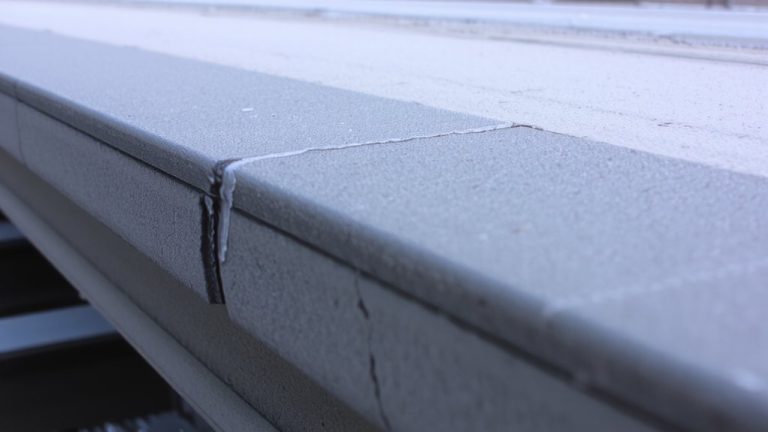
When your pool water turns cloudy, it’s usually a sign of high pH, low chlorine, or elevated alkalinity-each one weakening sanitizer performance and letting particles cloud the water, even after thorough cleaning of floors and surfaces. To fix cloudy water fast, check your test results: if pH is above 7.8, use muriatic acid to bring it to 7.4–7.6. If free chlorine is below 1 ppm, shock with calcium hypochlorite to reach 10 ppm temporarily, killing algae and restoring clarity. For corrosion-indicated by etched plaster or damaged metals-pH below 7.0 means you need to raise pH using sodium carbonate. Run your filter 24 hours and add a clarifier if cloudiness remains, even with balanced alkalinity. Proper cleaning products and continuous filtration help prevent strain and pests. Based on test results, maintaining chlorine at 3–4 ppm stops algae from returning.
On a final note
Keep your pool clear and safe by testing pH weekly, aiming for 7.4–7.6, and maintaining alkalinity at 80–120 ppm to stabilize it. Use sodium bicarbonate to boost alkalinity and avoid wild pH swings. Hold chlorine between 1–3 ppm; below 7.0, it sanitizes fast but corrodes surfaces, above 7.8, it struggles. Test strips from AquaChek give quick readings. After heavy use or rain, shock with granular dichlor for clarity. Balance prevents cloudiness, stops algae, and spares your liner and heater.