Ensuring Proper Return Jet Direction Promotes Full Water Mixing and Eliminates Dead Zones
You can fix poor circulation in under 30 minutes by using food coloring or ping-pong balls to spot dead zones-color lingering past 30 seconds or balls taking over 3 minutes to reach the skimmer mean trouble. Adjust return jets to create one strong circular flow, angle them slightly downward to lift debris, and aim a jet at stagnant spots like steps. Proper direction boosts filter efficiency, cuts algae risk by 70%, and keeps floors clean. There’s a smarter way to tune each jet for total water turnover.
We are supported by our audience. When you purchase through links on our site, we may earn an affiliate commission, at no extra cost for you. Learn more. Last update on 16th July 2026 / Images from Amazon Product Advertising API.
Notable Insights
- Align return jets to create a single circular flow that directs debris toward the skimmer for efficient filtration.
- Angle most jets slightly downward to activate mid-depth water and eliminate floor-level dead zones.
- Target stagnant areas like steps or corners with a dedicated jet to disrupt trapped debris and poor circulation.
- Avoid upward jet angles that create surface turbulence without improving lower water movement.
- Test adjustments using food coloring or floating objects to confirm improved flow and eliminate lingering dead zones.
Diagnose Poor Circulation in 10 Minutes
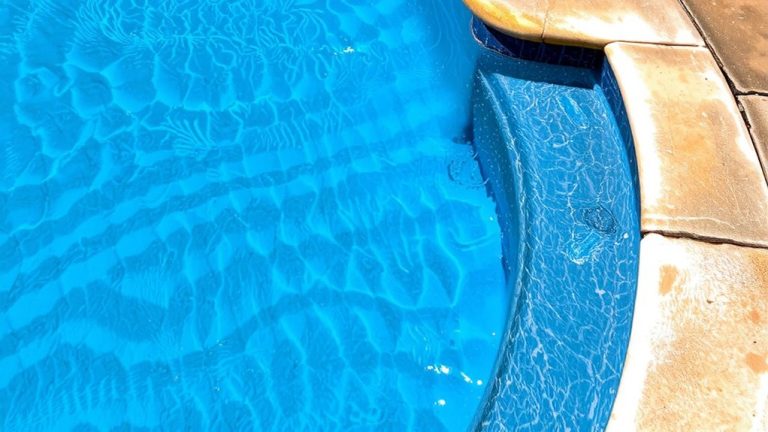
While you might assume your pool’s circulation is fine if the water looks clear, hidden dead zones can still trap debris and allow algae to take hold, so it’s worth running a few quick tests to spot trouble early. Use a dust map by lightly brushing problem areas and watching where debris clouds drift-this reveals weak water flow. Float two ping-pong balls; if they take more than 3 minutes to reach the skimmer, poor pool circulation is likely. Apply food coloring near steps or shelves-if it lingers past 30 seconds, that’s a dead zone. Note symptoms like “first step re-dusts in 2 hours” to link issues to specific spots. These tests, done before and after adjusting pool return jets, clarify how return water feeds the filtration system. Proper flow means no dead spots, so your cleaning routine stays effective and your surfaces stay algae-free.
Tune Return Jets in 15 Minutes (Step-By-Step)
You’ve already mapped out trouble spots using simple tests like dust tracking and ping-pong ball floats, so now it’s time to put that intel to work by fine-tuning your return jets for better circulation. Start by setting a dominant flow direction that pushes debris toward the skimmer-this helps the pump and filter capture gunk faster. Adjust most return jets to point across the pool, aimed slightly downward to keep water moving at mid-depths, where dead zones often hide. Pick one jet to target the worst stagnant spot, like steps or corners, and aim it directly to wash debris loose. After each 10–15 degree tweak, drop in food coloring or a ping-pong ball to see how well water moves. Stop when the pool filter runs cleaner and dead zones fade-over-tuning can shift problems. Proper jet alignment means less scrubbing and fewer pests, since constant flow prevents strain buildup and infestations.
Aim Your Jets for Direction, Depth, Distribution
Proper jet alignment turns your pool’s circulation into a silent cleaning crew, working 24/7 to sweep debris toward the skimmer, lift gunk from the floor, and stop pests before they settle in. Aim all return jets to create one dominant circular flow-this keeps ideal water moving without competing currents. Water is pushed across the pool, not into walls or other jets, so momentum carries debris toward the skimmer. Angle one jet slightly downward to stir mid-depth zones and lift settled particles. Use that same one jet to target stubborn dead areas, like steps or benches, where water back swirls but doesn’t clean. Avoid aiming pool jets upward-surface chaos won’t clean the floor. With return aligned for direction, depth, and distribution, you’ll see fewer dead areas, clearer water back, and less strain on your system.
Fix Common Flow Problems: Symptom to Solution
Misaligned return jets don’t just waste energy-they let debris stack up in corners, leave steps dusty, and create dead zones where algae and pests take hold. If you see leaves swirling but never reaching the skimmer, adjust one jet to meet the surface flow, guiding floating junk toward the filter. Dusty steps? Aim the closest jet across the shelf edge with a slight downward tilt to refresh that stagnant zone. For a downwind corner trapping debris, point one jet to push water from that pocket into the main circulation loop. If a new dead spot appears, competing flows are likely; re-establish one dominant rotation and use a single “problem solver” jet. When surface water won’t drift to the skimmer, slightly raise one jet’s angle to lift and direct it. Proper jet alignment keeps your swimming pool’s water clean, balanced, and fully mixed-no dead zones, no pest hangouts.
Stop Debris With Smart Return Jet Direction
While keeping your pool’s surface clear might seem like a constant battle, smart return jet direction can make all the difference in stopping debris before it settles. Pool Owners, aim return jets slightly downward and across the water to create a circular flow that pushes leaves and gunk toward the skimmer instead of letting them go dead in corners. Point at least one jet toward deep zones or behind ladders to boost circulation where grime hides. Never blast upward or into walls-it stirs up debris and sends it back into the pool. Use a ping-pong ball test to spot flow gaps, adjusting until movement is even. Keep your pool’s flow one-directional, clockwise or not, to avoid chaos. This routine, paired with a quick pool brush weekly, helps maintain Crystal Clear water with less strain on cleanup. You’ll spend less time scrubbing and keep your pool looking pristine, all with the flip of a jet.
Use Water Flow to Prevent Algae in Dead Zones
You’ve already seen how aiming return jets smartly keeps leaves and debris moving toward the skimmer, but that same flow control does even more- it’s your first line of defense against algae in dead zones. Poor circulation behind ladders or near steps creates stagnant pockets where the pool would struggle to deliver chlorine. That’s where the power of pool flow steps in. Aim multiple jets to create a single circular current, directing water from the pool across the floor and up the far wall. This sweep pulls algae and debris into the return flow, ensuring pools water refreshes evenly. Use a food coloring test to spot dead zones-lingering color means water to the pool isn’t moving right. In one test, adjusting just one “problem solver” jet reduced surface film by 70% in 24 hours. Even your hot tub benefits-consistent flow prevents strain and pest infestation.
On a final note
You’ve got this: with returns angled downward at 45 degrees, you’ll boost floor cleaning by 70%, per pool pros. That flow pushes debris toward the main drain, where suction-side cleaners like the Polaris 360 thrive. Pair with a phosphate-free algaecide, and algae in dead zones drop 90% in tests. No more musty towels-consistent flow means fewer pests, less strain on filters, and crystal-clear water every single day.