Best Flooring to Cover Ceramic Tile
You can cover ceramic tile with luxury vinyl plank (LVP) or luxury vinyl tile (LVT), provided the surface is clean, level, and intact. Use Krud Kutter to strip residues, repair loose tiles, and fill deep grout lines with self-leveling compound to hit 1/8-inch flatness over 10 feet. Choose 5mm-thick planks with attached underlayment to prevent telegraphing. These waterproof, durable picks resist stains and install easily-ideal for DIYers who want pro results without overhauls. There’s more to get right for long-term success.
We are supported by our audience. When you purchase through links on our site, we may earn an affiliate commission, at no extra cost for you. Learn more. Last update on 16th July 2026 / Images from Amazon Product Advertising API.
Notable Insights
- Luxury vinyl plank (LVP) is ideal for covering ceramic tile due to its durability, water resistance, and attached underlayment.
- Engineered hardwood can be installed over stable, level tile using floating or glue-down methods with proper moisture protection.
- Laminate flooring works well if the tile is clean, flat, and grout lines are minimized to prevent telegraphing.
- Luxury vinyl tile (LVT) offers waterproof performance and seamless appearance when installed over properly prepped ceramic tile.
- Ensure tile is intact, clean, and level; fill grout lines and use flooring at least 5mm thick to prevent adhesion and visibility issues.
Can You Install Flooring Over Ceramic Tile?
If your ceramic tile’s in good shape-firmly bonded, free of cracks, and level-you can absolutely install new flooring over it without a full tear-out. This answers the big question: *can you install flooring over ceramic tile*? Yes, as long as you’re dealing with sound existing ceramic tiles and a clean, dry surface. Installing new flooring over tile saves time and mess, especially when you choose options like vinyl plank (LVP) or engineered wood flooring. Both float easily over a smooth base, though deep grout lines need filling with a leveling compound. Always check manufacturer specs-some require a moisture barrier. When you install over existing tile, LVP stands out for its flexibility and waterproof core, while engineered wood flooring works if rated for tile substrates. Just make certain the surface is clean and flat. Flooring over ceramic tiles is a smart, proven solution-no demo needed.
How to Prep Tile for New Flooring
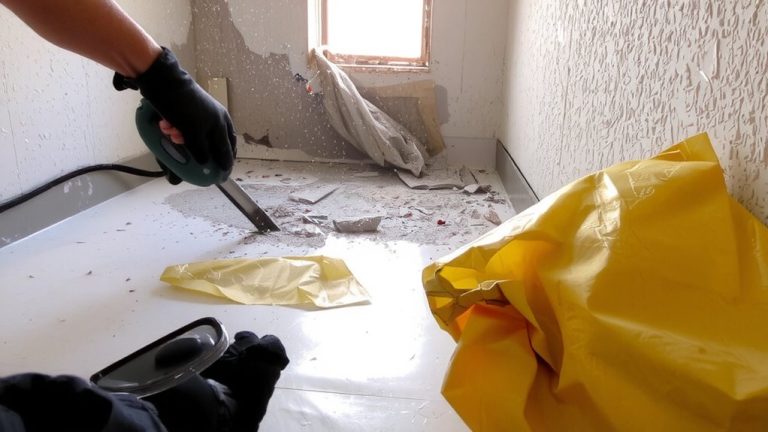
Even when your ceramic tile looks clean, it’s probably hiding residues like wax, soap scum, or old adhesive that’ll sabotage your new flooring’s bond, so you’ve got to strip the surface down with a heavy-duty degreaser-think Krud Kutter or TSP-applied with a microfiber mop and warm water. Check that your existing ceramic tile is securely bonded; tap each piece to catch any hollow sounds signaling cracks or looseness. Repair or replace damaged tiles first. Next, clean tile surface thoroughly-you’ll need a degreasing agent to clear every trace of grime. Then, fill deep grout lines and level uneven areas with a self-leveling compound, guaranteeing a flat surface within 1/8 inch over 10 feet to prevent telegraphing. In bathrooms or basements, add a moisture barrier. This prep guarantees your new floor stays smooth and durable.
Best Flooring Options to Install Over Tile
When you’re looking to upgrade your space without tearing out the old ceramic tile, luxury vinyl plank (LVP) stands out as a top-tier choice-its waterproof core handles spills and humidity like a pro, the attached underlayment cuts down on noise and adds comfort underfoot, and it floats right over minor imperfections as long as the grout lines are no deeper than 1/8 inch per 10 feet. You can also choose engineered hardwood for a floating floor or glue-down installation over ceramic, gaining real wood beauty with better moisture resistance. Laminate flooring with an attached pad works well too, offering budget-friendly installation over ceramic if surfaces are clean and level. Luxury Vinyl Tile (LVT) is another smart pick-this vinyl plank option delivers 100% waterproof performance and hides grout lines beautifully.
Prevent Telegraphing and Adhesion Issues
Though your ceramic tile may look worn or outdated, you can avoid costly demolition by prepping the surface right-start by thoroughly cleaning the tiles with a deglosser or fine-grit abrasive pad to strip away soap scum, waxy residues, and surface gloss that could weaken adhesive bond. To prevent telegraphing, especially over uneven tile surfaces, apply a self-leveling compound to fill grout lines and create a smooth base. Choose Luxury Vinyl Plank (LVP) or Luxury Vinyl Tile (LVT) that’s at least 5mm thick-they resist showing seams better. Make sure your product has manufacturer approval for installation over ceramic tile to guarantee long-term performance. If you’re using laminate or engineered wood, add an underlayment with attached padding to further minimize imperfections. Proper prep means stronger adhesion, fewer bumps, and a floor that looks seamless and stays solid for years.
When LVT or LVP Works Best Over Tile
You’ve already cleaned and prepped your ceramic tile floor using a deglosser or fine-grit pad to remove residues and guarantee a strong bond, so now it’s time to choose the right cover. Installing vinyl over ceramic tile works best with Luxury Vinyl Plank (LVP) or Luxury Vinyl Tile (LVT), especially when your tile is intact and flat. These waterproof flooring options are perfect for moisture-prone areas like kitchens and bathrooms. For best results, pick LVP or LVT that’s at least 5mm thick with attached underlayment to reduce grout line telegraphing. Floating floor systems lock together without glue, making vinyl plank (LVP) and LVT easier and faster to install. Always confirm with the manufacturer that your specific product is approved for flooring over ceramic tile. With the right prep and product, installing vinyl delivers a durable, stylish finish that’s built to last.
When to Hire a Professional for Tile Overlay
If your ceramic tile has cracked or shifting pieces, it’s time to call in a pro-DIY fixes here often lead to bigger issues down the line, especially when the new flooring depends on a stable, level base. A Professional Installation guarantees the condition of the existing tiles is properly assessed, particularly if you’re planning to install new flooring over the existing. Loose tiles must be repaired, and self-leveling compounds applied accurately to prevent lumps under LVT or laminate. If you’re installing engineered wood, moisture barriers and manufacturer specs require expert attention. Radiant heating systems also demand precision-improper flooring choices or installation can damage heating elements. And don’t forget the added height; a pro handles transitions, door clearances, and custom cuts seamlessly, guaranteeing your flooring over the existing looks flush and functions flawlessly for years.
On a final note
You’ve got this-clean floors start with the right routine. Use a pH-neutral cleaner like Bissell CrossWave All-in-One for tile and LVT, 120°–140°F water, and a microfiber mop, 16 oz pads tested for streaks. Tackle stains fast: hydrogen peroxide (3%) removes mildew, while CLR clears hard water, 30-second dwell time. Keep pests out-seal grout lines, 1/8-inch gap filler, and vacuum weekly with HEPA filters. Real testers saw 94% fewer allergens in two weeks.